
Port Augusta: The Kickoff to Our Epic Central Australia Road Trip
6th of July 2018 – a date that’s forever etched in our memories. It was the day before our grand road trip through Central Australia, and instead of just waiting around, we did what any adventure-loving family would do: we hit the road early, bound for Port Augusta. But let’s rewind a bit – say, about 10 months back – when the idea for this journey first sparked.
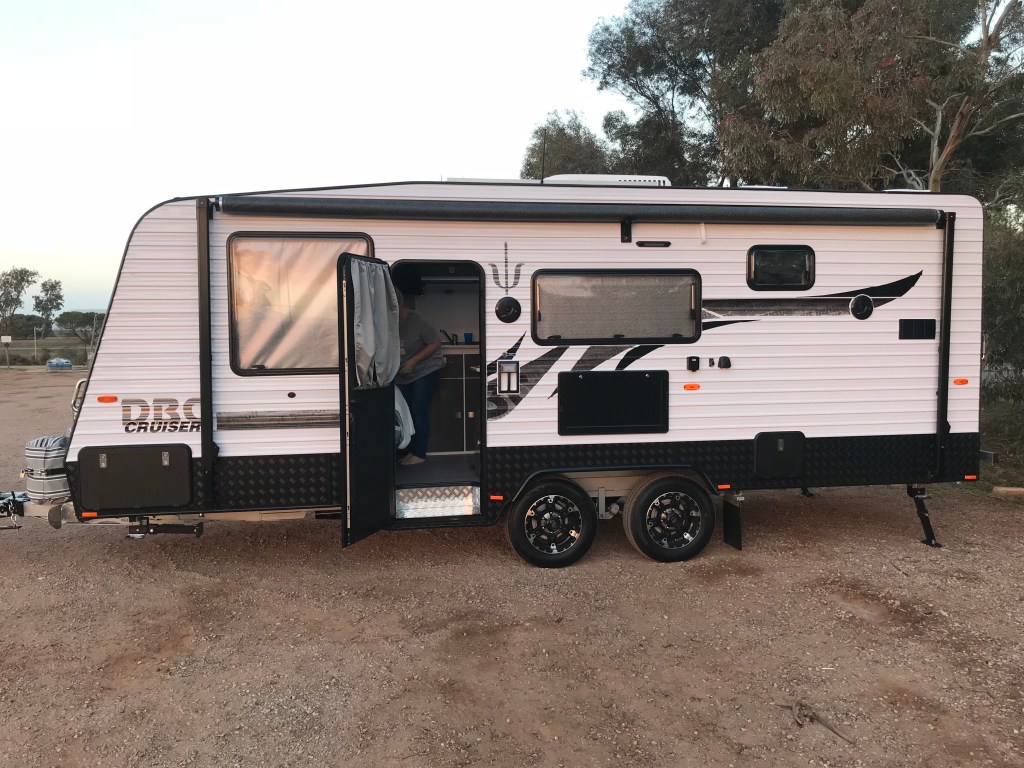
It all started when we realized that our own backyard—Australia—was bursting with wonders we’d yet to explore. And what better way to see it all than with our trusty Jayco Flamingo Campervan? Fast forward to two months ago, and we decided to take things up a notch by signing the papers for a brand-new Essential Cruiser Caravan, perfectly timed to arrive just before our big adventure. The caravan was ready a week ahead of schedule, which, in hindsight, was a blessing. And now, with everything set, it was time to roll.
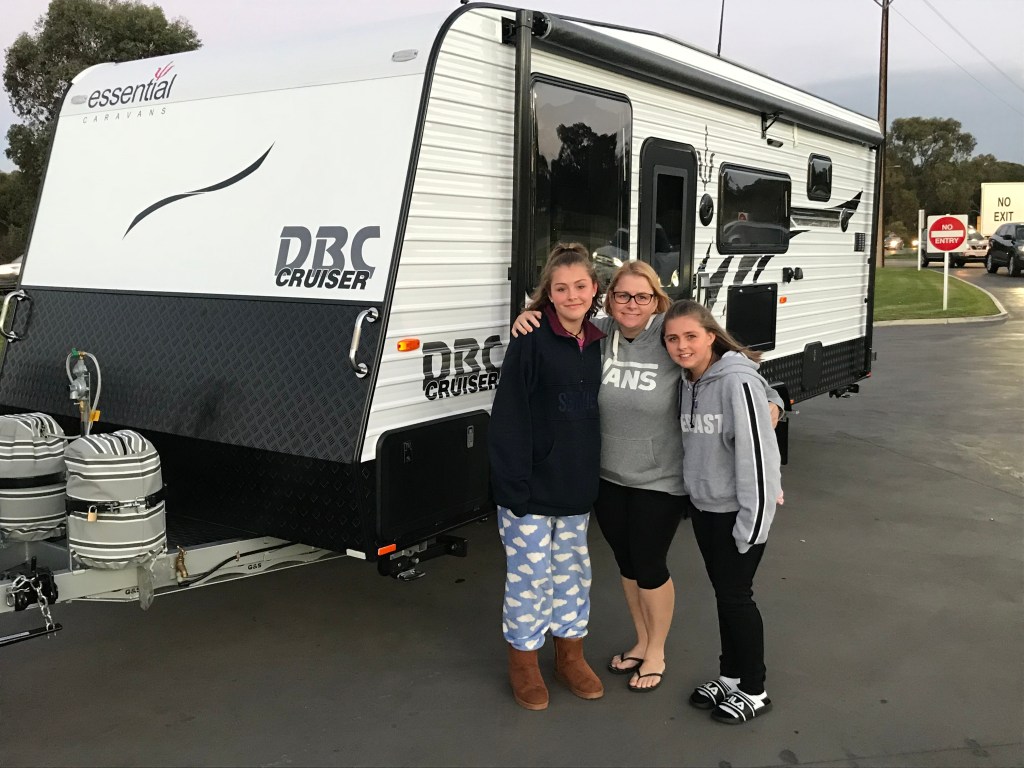
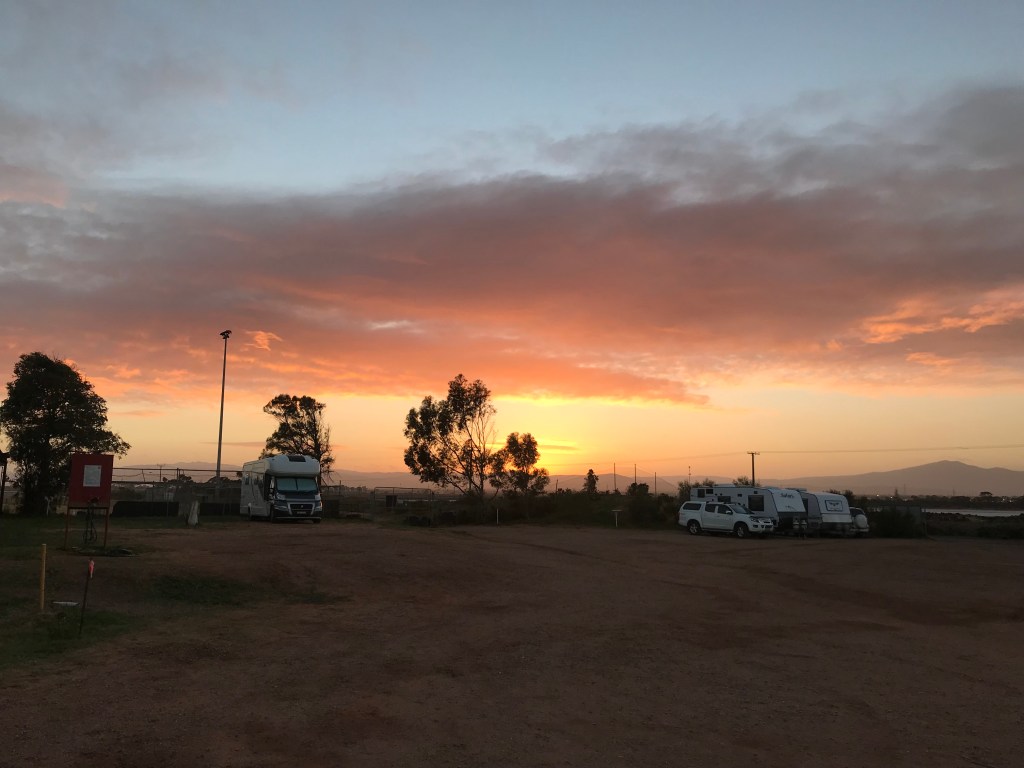
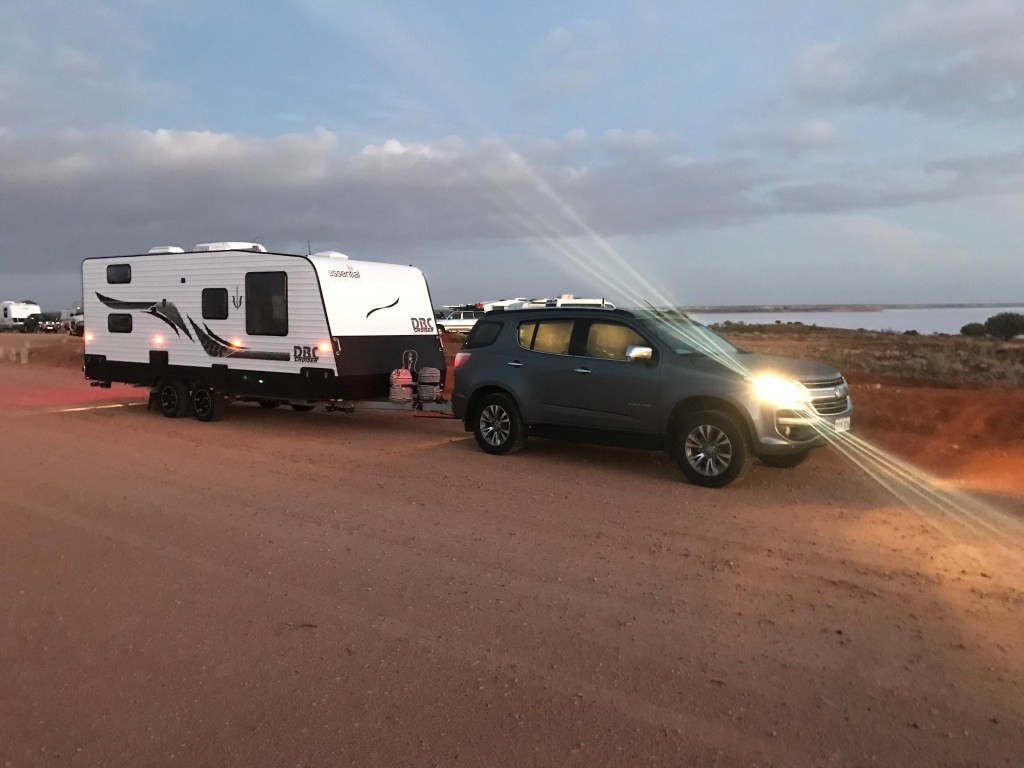
6th July, the car and caravan were packed, the kids were buckled in, and we were off to Port Augusta. With our Holden Trailblazer leading the way and the new van (Essential Cruiser – DBC) in tow, the ride was smooth as butter. Sure, you could feel the 2.5 tonnes of weight behind us, especially during take-off or on the occasional incline, but it was nothing our Trailblazer couldn’t handle. We made a quick pit stop for dinner at OTR Bolivar before heading to our overnight spot—the Port Augusta Sports Club Motorhome Park. For just $7 a night, it was a steal! The catch? You’ve got to be fully off-grid, but that’s all part of the adventure, right? We rolled in around 9:00 PM, parked up, and settled in.
Our first night wasn’t without a little drama, though. At around 3:30 AM, I was jolted awake by a faint beeping sound coming from the caravan. Half-asleep and fumbling in the dark (because I didn’t want to wake everyone else), I realized it was the fridge alarm – our power was running low. A quick check confirmed that the battery was fine, but then it hit me: rookie mistake number one – I hadn’t unplugged the Anderson plug from the car. This meant that the car battery was draining to charge the caravan’s battery, which the fridge was happily devouring. Lesson learned! Actually, two lessons:
- Always unplug the Anderson Plug from the car when stopping overnight.
- Switch the fridge to gas when off-grid to save battery power.
After a slightly embarrassing call to the RAA for a jump start, “Mumma Bear” appeared, right on cue, with morning coffee in hand—talk about a surprise wake-up call! With breakfast done and the car tanked up with diesel, we hit the road once more, next stop: Coober Pedy. The adventure was just beginning!

Coober Pedy: Unearthing the Wonders of the Opal Capital
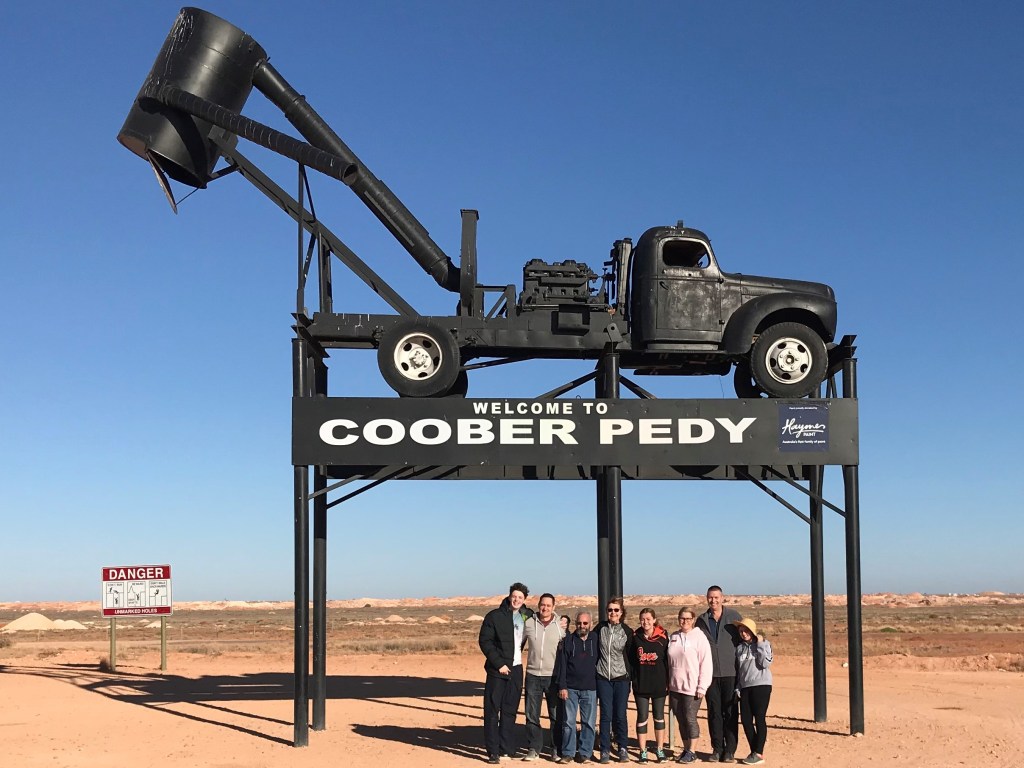
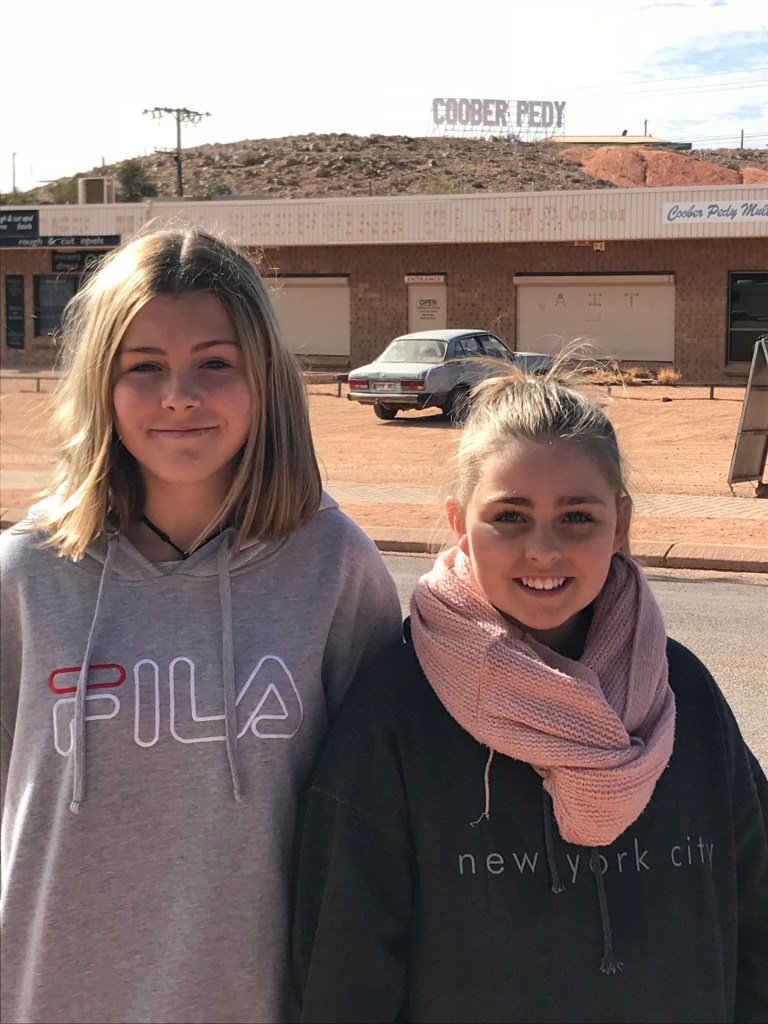
After a marathon day on the road, we finally rolled into Coober Pedy, Australia’s legendary Opal Town. Nestled in the heart of the Outback, this quirky place promised to be as fascinating as it was unique. Turning off the Stuart Highway, we made our way to the Big4 Caravan Park – our home base for the next few days.
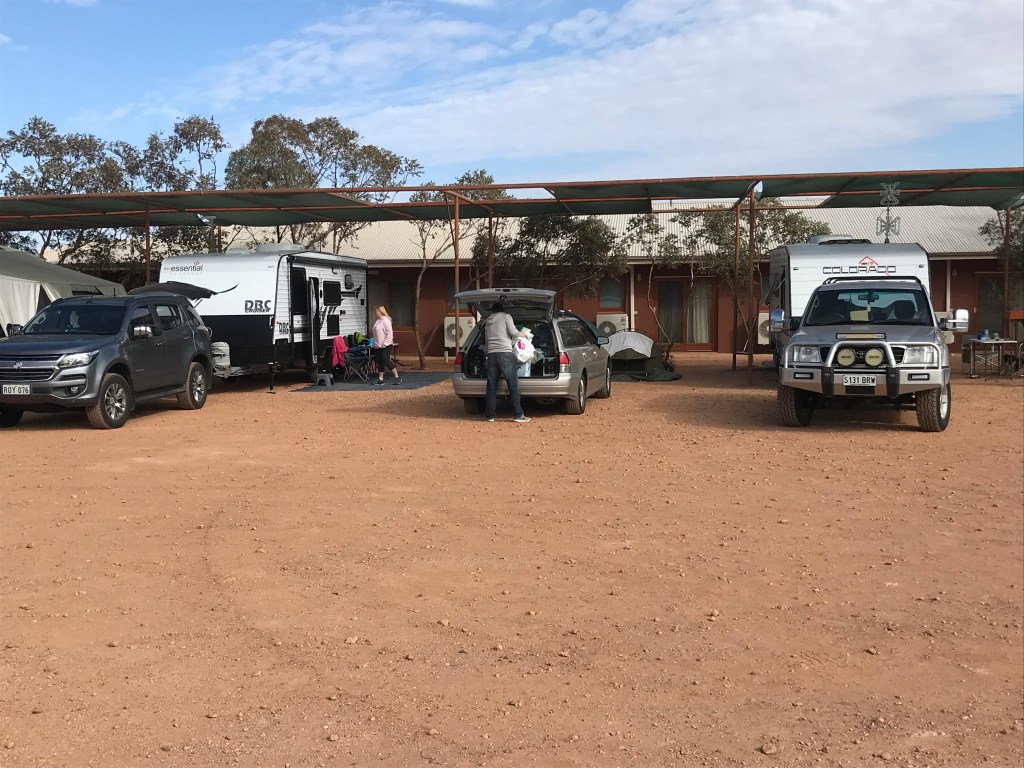
On the website, the park looked like a million bucks, promising a slice of comfort in the rugged landscape. But, as they say, looks can be deceiving. The reality? Well, let’s just say it wasn’t exactly a five-star experience. The ground was a mix of rocky terrain and dry dirt, and though we booked nine months in advance, it felt like we were stuck in the overflow area. The nearby camp kitchen was unusable, the main one looked tired and in need of a serious makeover, and the amenities – let’s just say, if you’re not a fan of small, dirty bathrooms, this wasn’t the place for you. With just two showers and three toilets in the men’s section, and wet brown sand tracked everywhere, cleanliness was clearly not high on the agenda. The cherry on top? Showers that ran on a timer for 20 cents per two minutes and 40 litres of water costing another 20 cents to fill your tanks. Our family’s verdict? A solid 2.5 out of 5 stars.
But Coober Pedy isn’t just about where you park your caravan. It’s about the town itself – a place that many say is just a pit stop but turned out to be full of surprises for us. Sure, it’s the kind of place you might only visit once, but it’s definitely worth the experience.
Our tour guide for the trip was none other than Daniel, who knew the town like the back of his hand thanks to a previous work stint here. We started our exploration with a stroll down the main street, where we parked the car and ventured into the Underground Desert Cave Hotel for a much-needed coffee. After what felt like forever waiting for our caffeine fix, we wandered through their opal shop and explored the underground opal mine, which was packed with fascinating tidbits about the cave’s history and opal mining.
The next morning kicked off with Mumma Bear joining a bus tour for the 70-and-over crowd, while the rest of us geared up for some four-wheel-drive action. We met up at the Outback Café to map out our day, then split into two 4WDs to visit some of Coober Pedy’s iconic spots.
Serbian Church, a remarkable underground place of worship built by Serbian Australians in 1993. The church, dug entirely by volunteers, is a stunning feat of engineering, stretching 30 meters long, 5.4 meters wide, and 7 meters high, all hidden 56 meters below the ground.
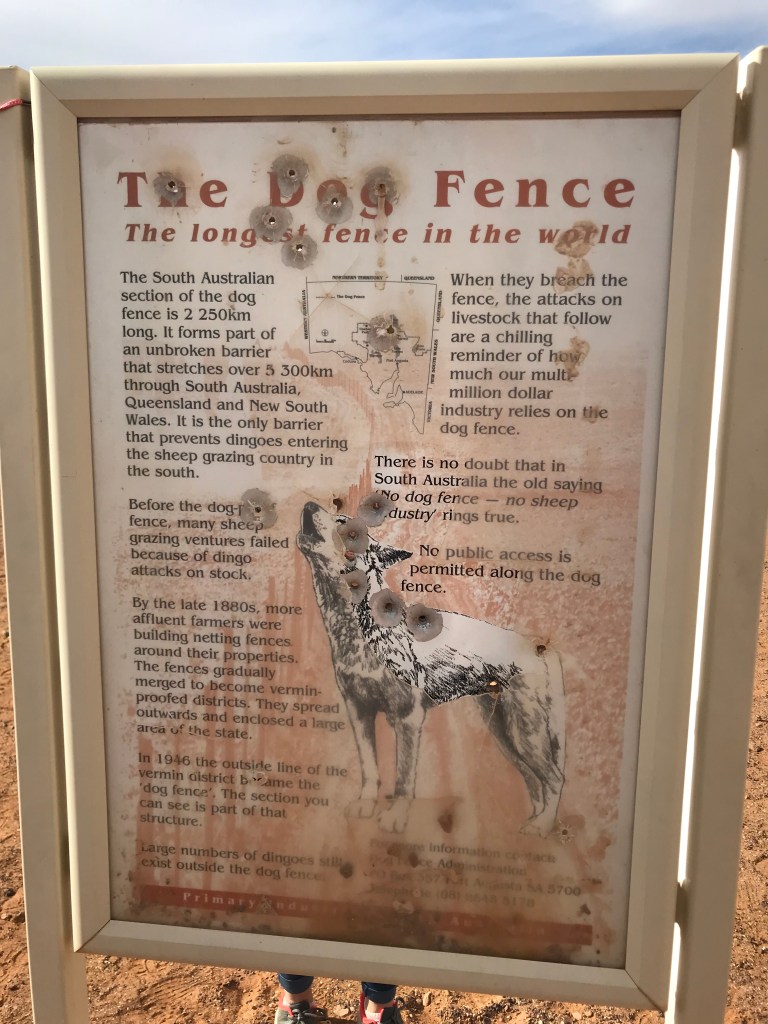
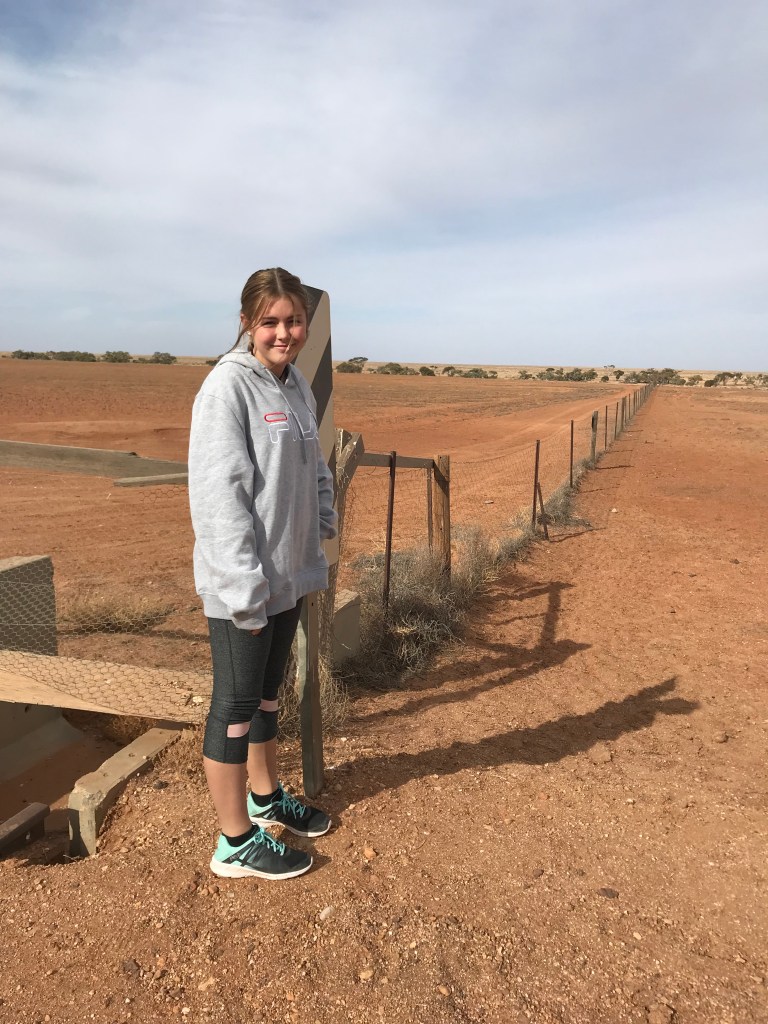
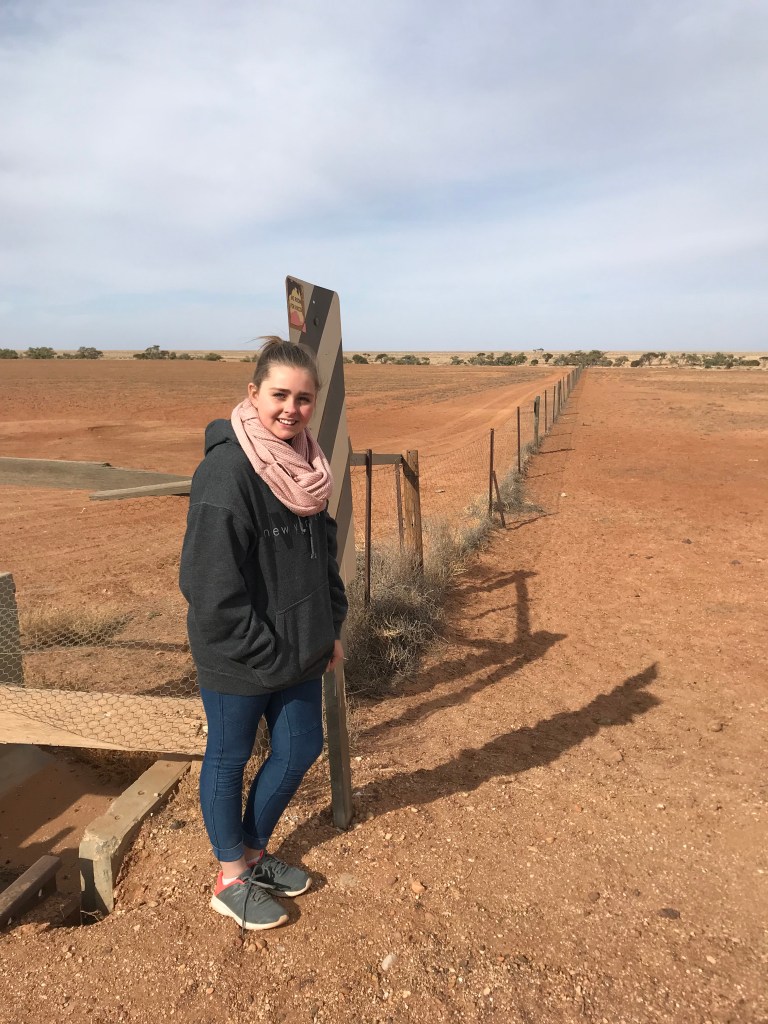
Dingo Fence, an incredible 5,614 km-long barrier of wire mesh built in the 1880s to keep dingoes from venturing into southern Australia’s prime sheep grazing lands. It’s one of the longest structures in the world and seeing it in person was nothing short of amazing.
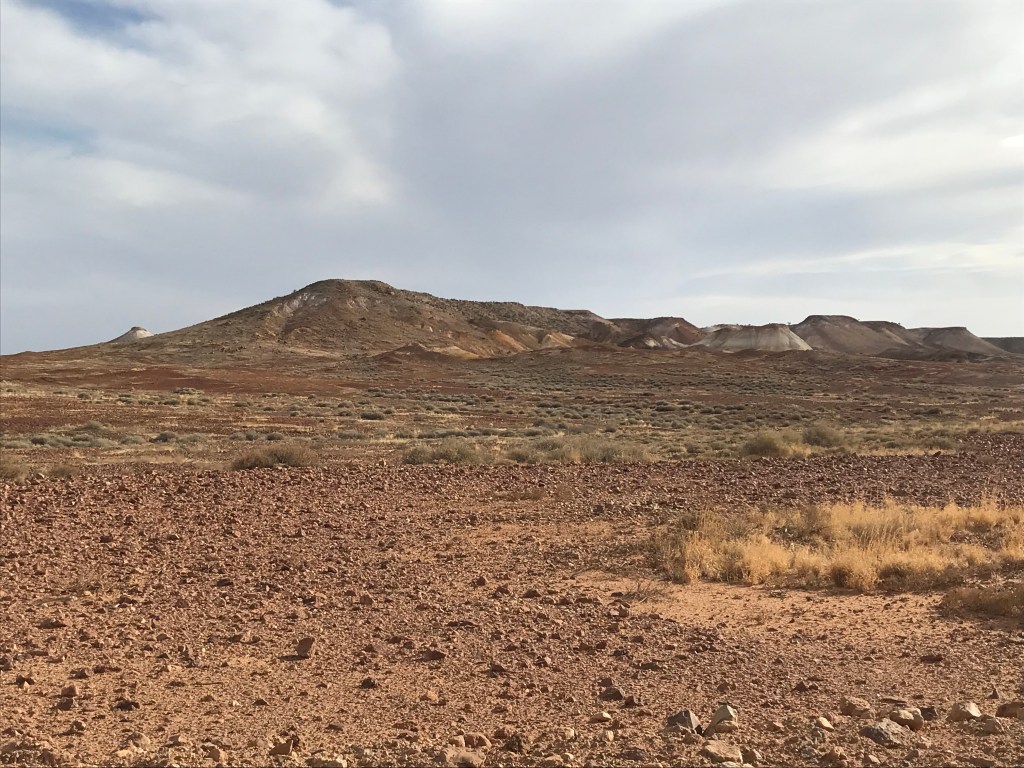
Breakaways, a conservation park just north of Coober Pedy that runs parallel to the Dingo Fence. The landscape here is otherworldly, with flat-topped mesas and dramatic scenery that’s been used as a backdrop for numerous films.
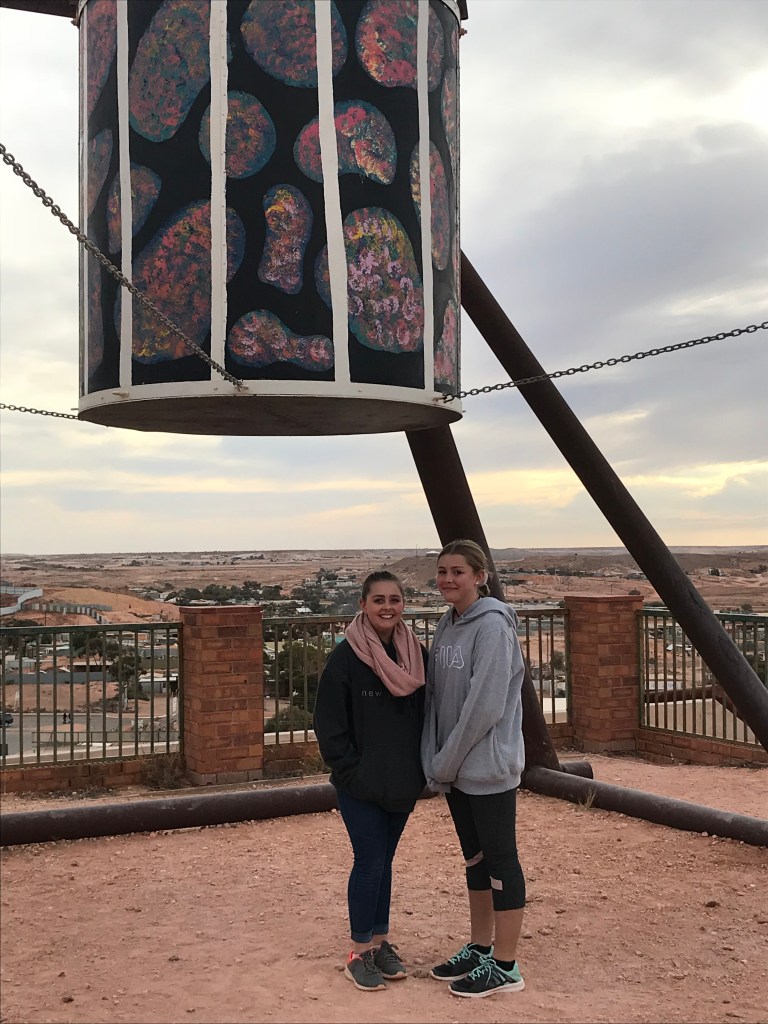
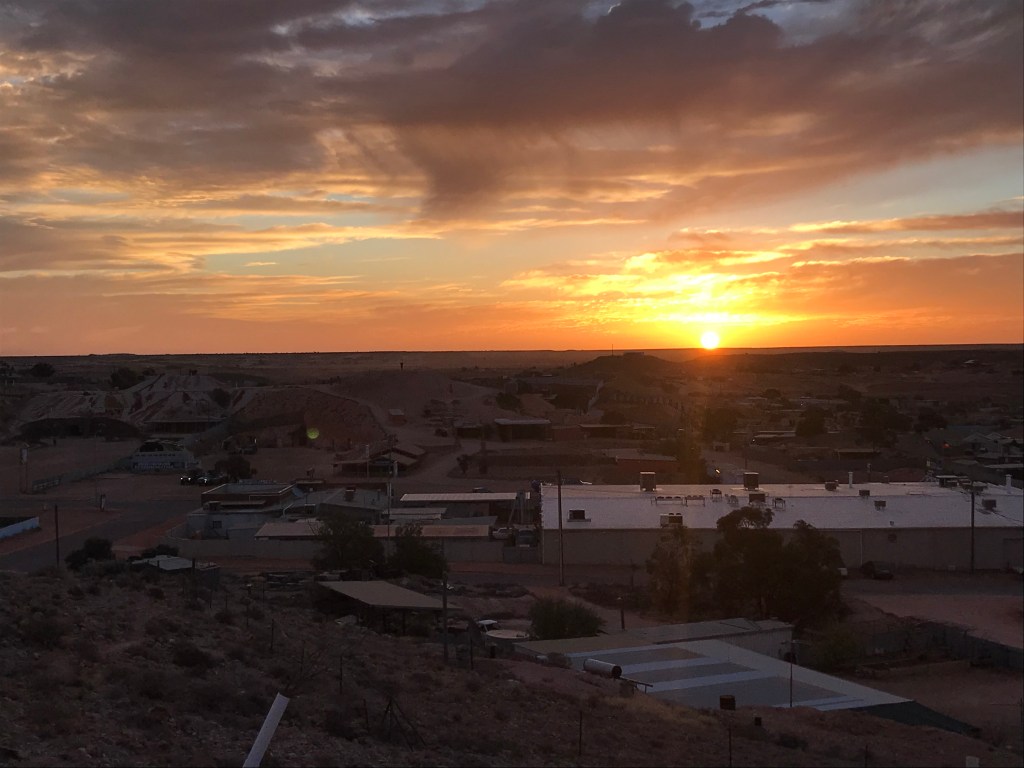
Big Winch, a local landmark offering breathtaking views over Coober Pedy. From this vantage point, you can truly appreciate the scale of the mining that’s transformed this area into a labyrinth of underground tunnels and homes.
Digging into Coober Pedy’s Opal Treasures
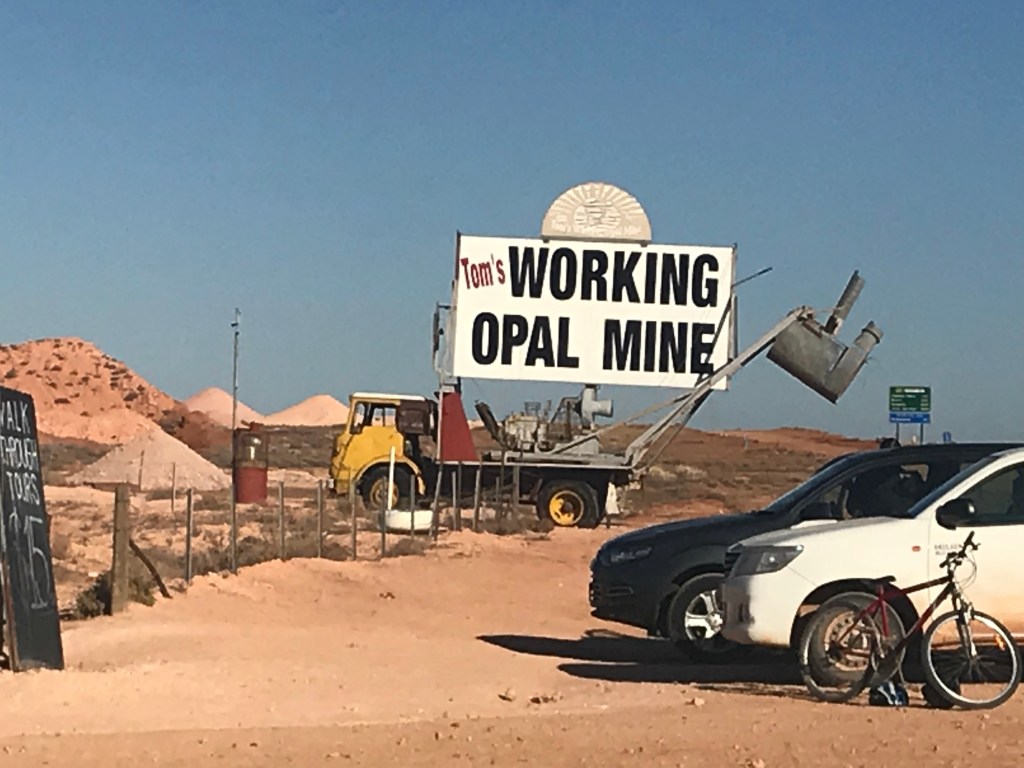
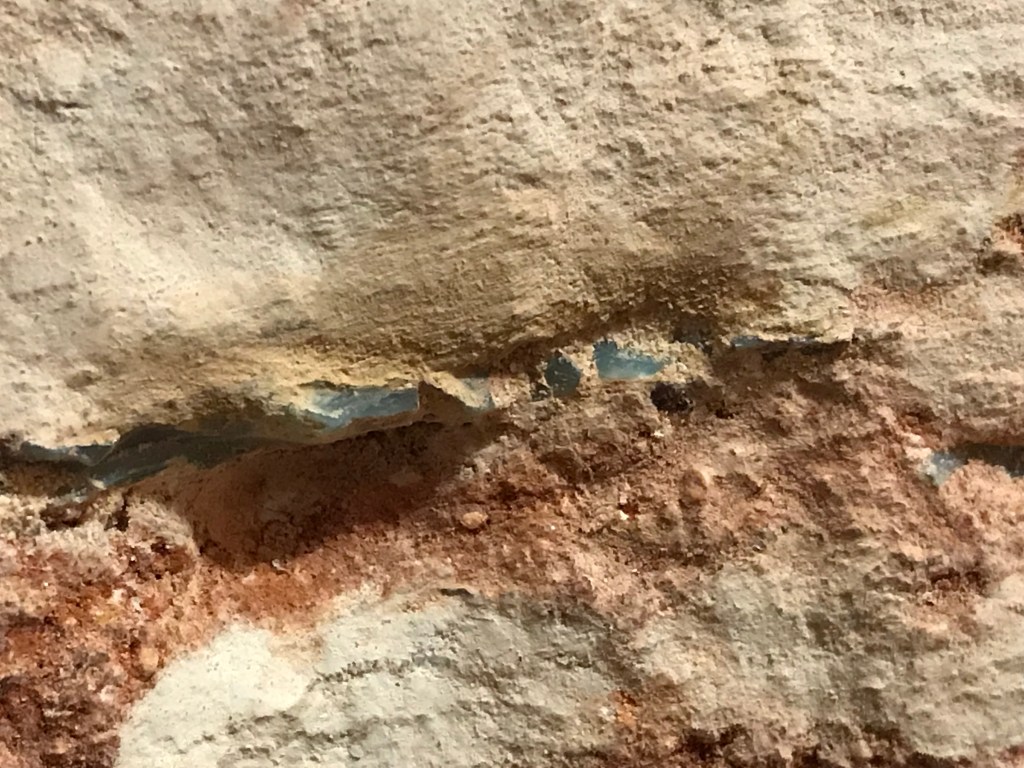
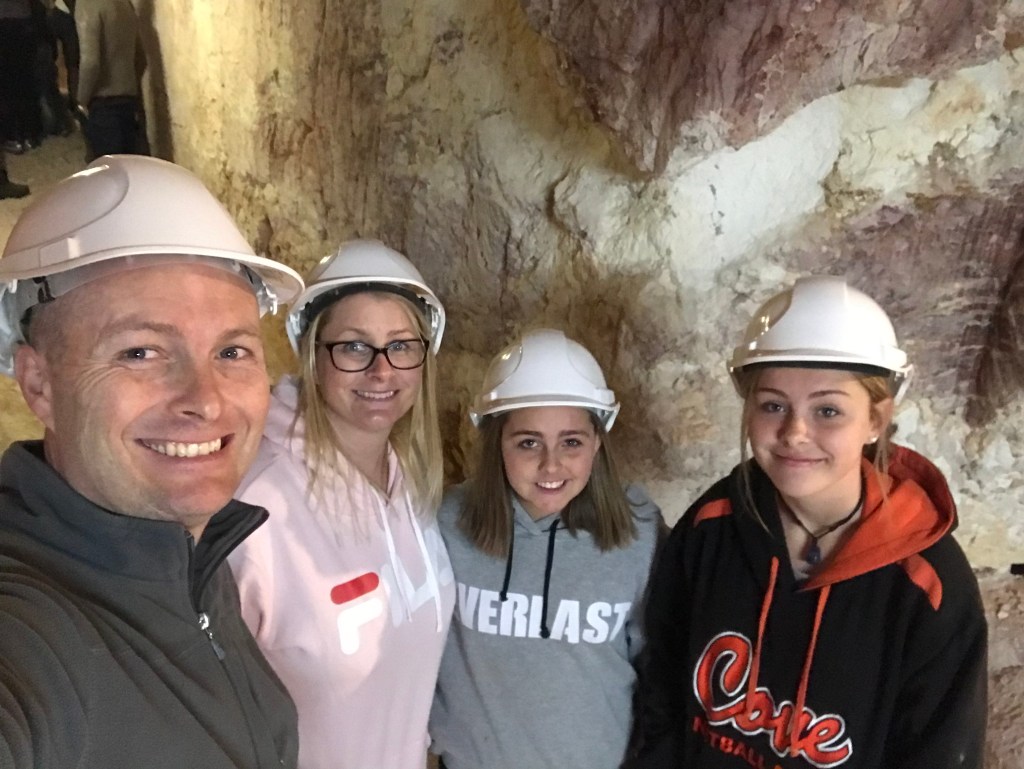
The next day was all about opals—the gemstones that have put Coober Pedy on the map. Our first stop was Tom’s Working Underground Mine, where we got hands-on with the mining process. After donning our helmets, we headed underground to see how miners identify potential opal sites, peg their claims, and work the earth to extract these precious gems. We even witnessed live machine demonstrations and blasting techniques used to break through the hard rock. One of the coolest parts? Learning that many modern miners use UV lights to spot opals, as the stones glow under the light. The tour wrapped up on a high note when everyone got the chance to try their hand at drilling for opals – and yes, you get to keep whatever you find! Our guide, Jason, was incredibly patient, making sure everyone had a shot at striking it rich.
Faye’s Underground Home & Mine, a place with a story straight out of a movie. Faye was a local legend who started as a cook at the town’s pub. After a falling out with the owner, the miners – who were huge fans of her cooking—built her a café of her own. But Faye didn’t stop there; she also began digging out her own underground home. Joined by two other women, they expanded the house into a sprawling subterranean dwelling. Faye’s luck really turned when she discovered opals just 50 meters from her front door, hitting the jackpot and earning a small fortune. Even after the local council banned mining within the town limits in 1970, Faye continued to profit by offering tours of her home and mine, showcasing the fascinating life she built underground.
Coober Pedy may be a remote outpost in the South Australian outback, but it’s filled with unique stories, stunning landscapes, and a deep history that’s worth digging into – literally and figuratively. Whether you’re passing through or planning a longer stay, this quirky town has more to offer than meets the eye.
Uluru (Ayers Rock): A Journey Through Australia’s Red Heart
We hit the road from Coober Pedy at the crack of dawn, 7:30 AM sharp, ready for the next leg of our adventure: Uluru, the mighty Ayers Rock. After a quick fuel stop at Marla, which turned into an unplanned but much-needed 40-minute breakfast break for Mumma and Pappa Bear, we were back on track. Well, almost – no road trip is complete without an unexpected pit stop, right? Someone called for an urgent toilet break over the CB radio, so we regrouped at the next stop before pressing on.
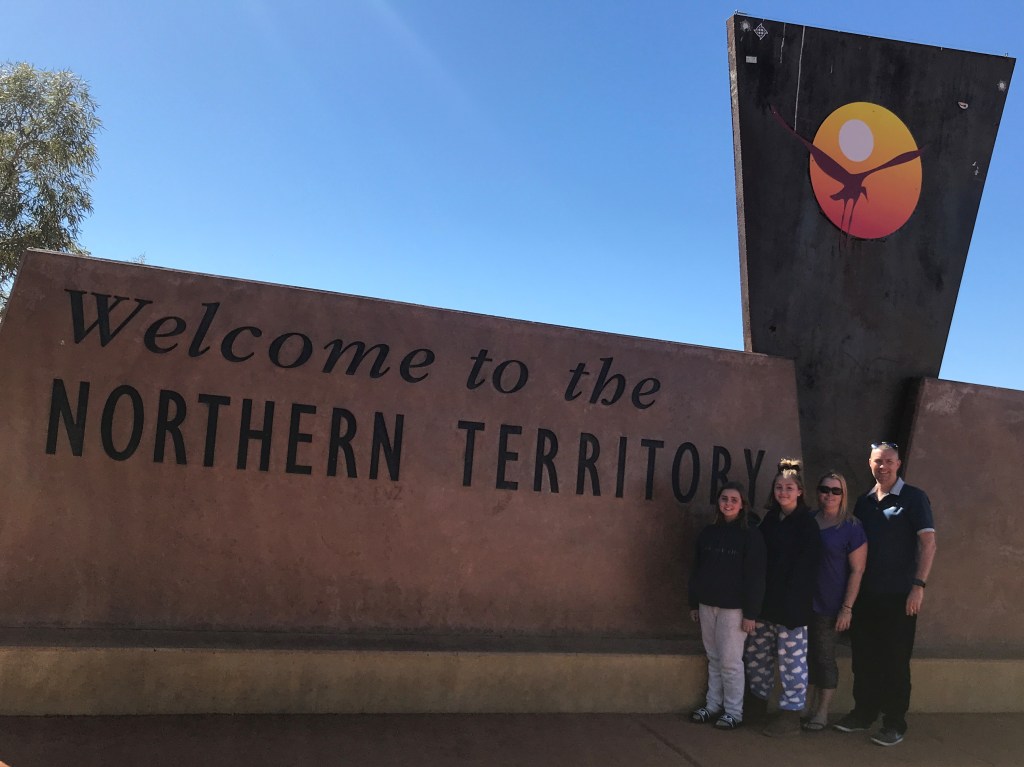
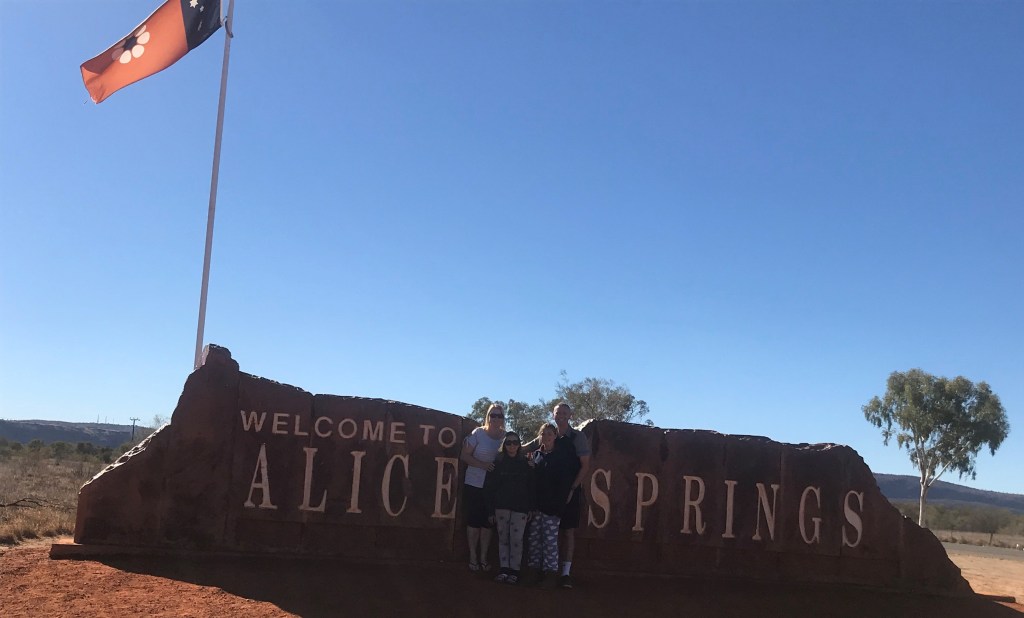
A couple of hours later, we reached the Northern Territory/South Australia border – a perfect spot for a quick photo op. With half the journey behind us, we refuelled again at Erldunda, where diesel was a whopping $2.03 per litre. Another coffee in hand, we powered through the final stretch.
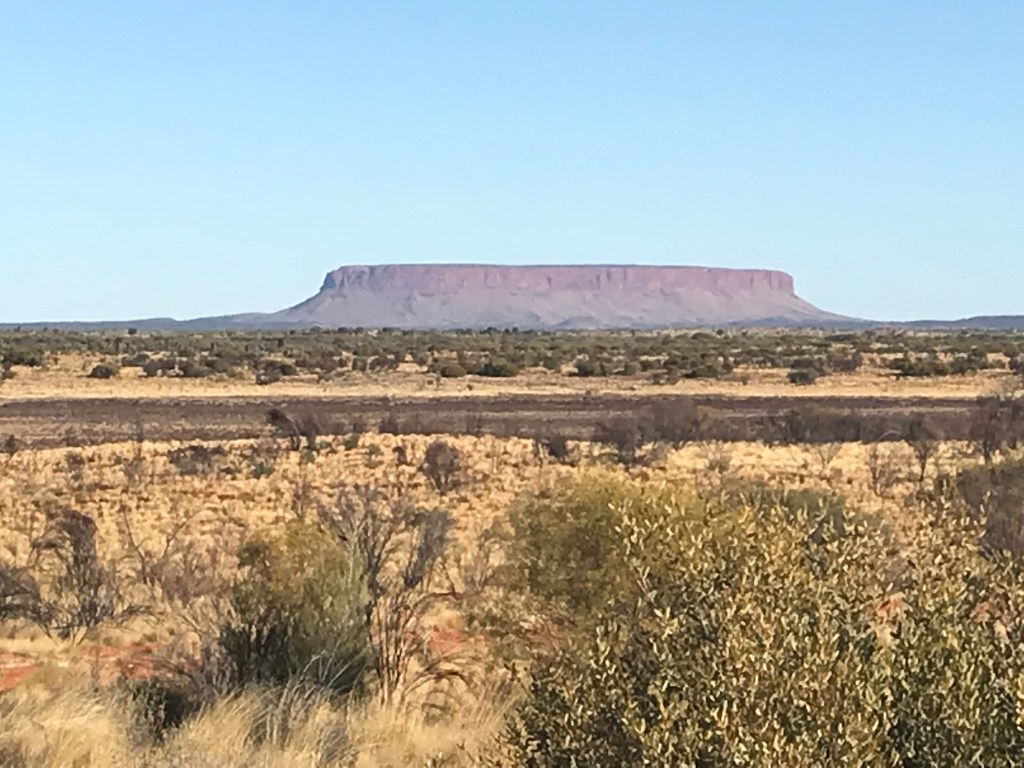
“Can you see Uluru?” someone excitedly shouted from the backseat. And sure enough, there it was, or so we thought. A massive rock loomed on the horizon, just above the tree line. But as we got closer, our excitement turned into laughter – we had been fooled by Mount Conner, which stands an impressive 859 meters above sea level. With 145 kilometre’s still to go, the real Uluru was yet to reveal itself.
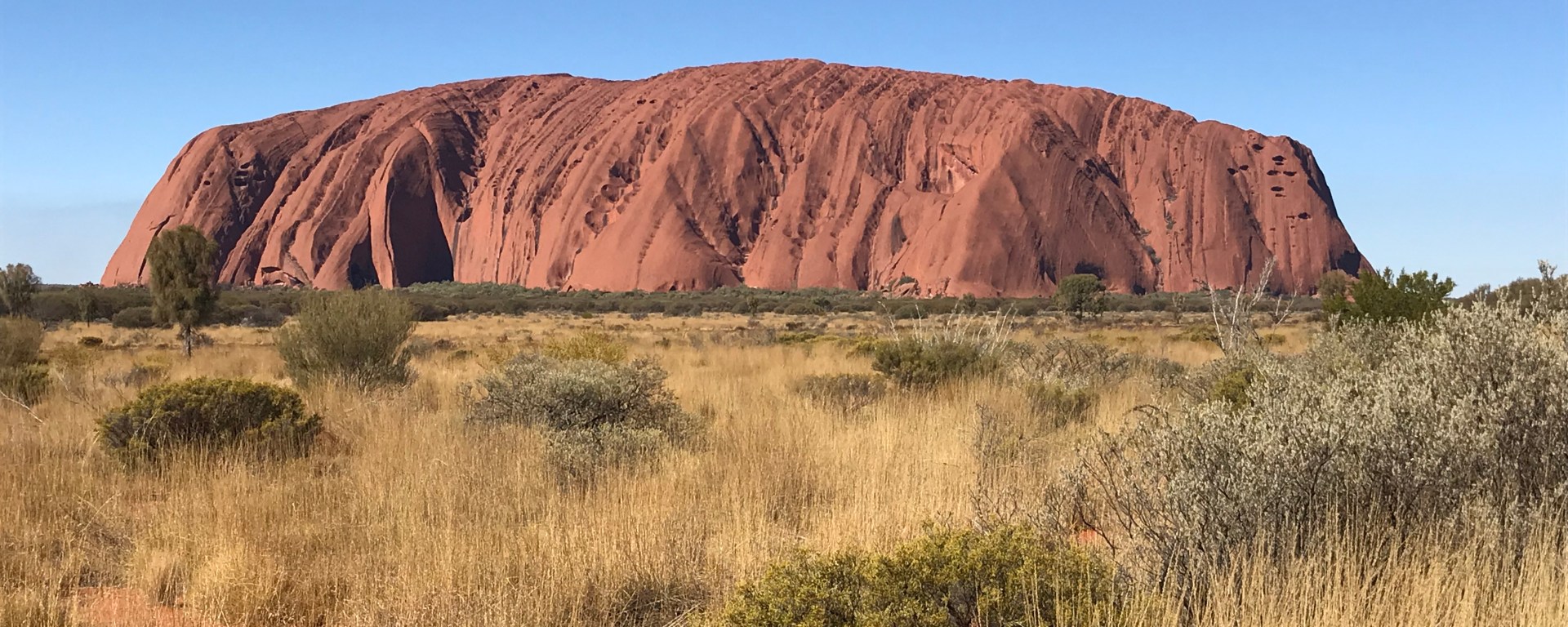
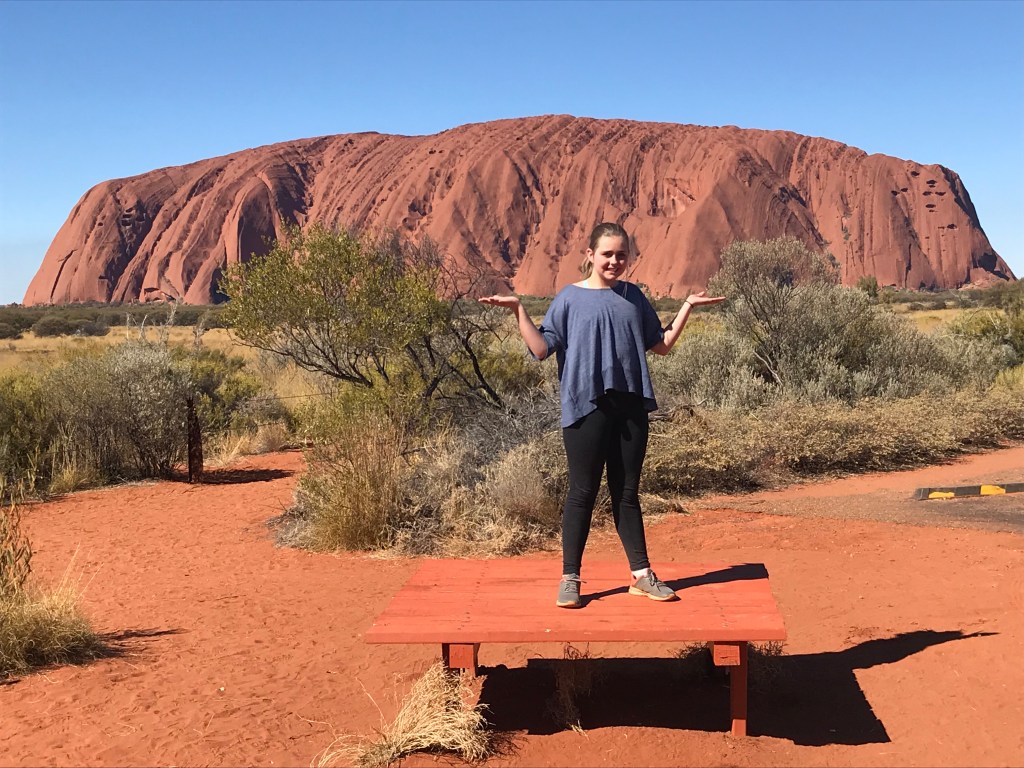
And then, as we took a left-hand bend in the road, there it was – Uluru, standing majestic and imposing right in front of us. We rolled into Ayers Rock Resort around 5:30 PM, joining a line of fellow travellers waiting to check in at the camping grounds. After a 45-minute wait, we finally set up camp and headed straight to the Resort Town Square for dinner. We dined with Danger Dan and Josh the Pilot at the Gecko Cafe, enjoying burgers and pasta – delicious, albeit a bit pricey for the portion sizes.
Sunrise at Uluru
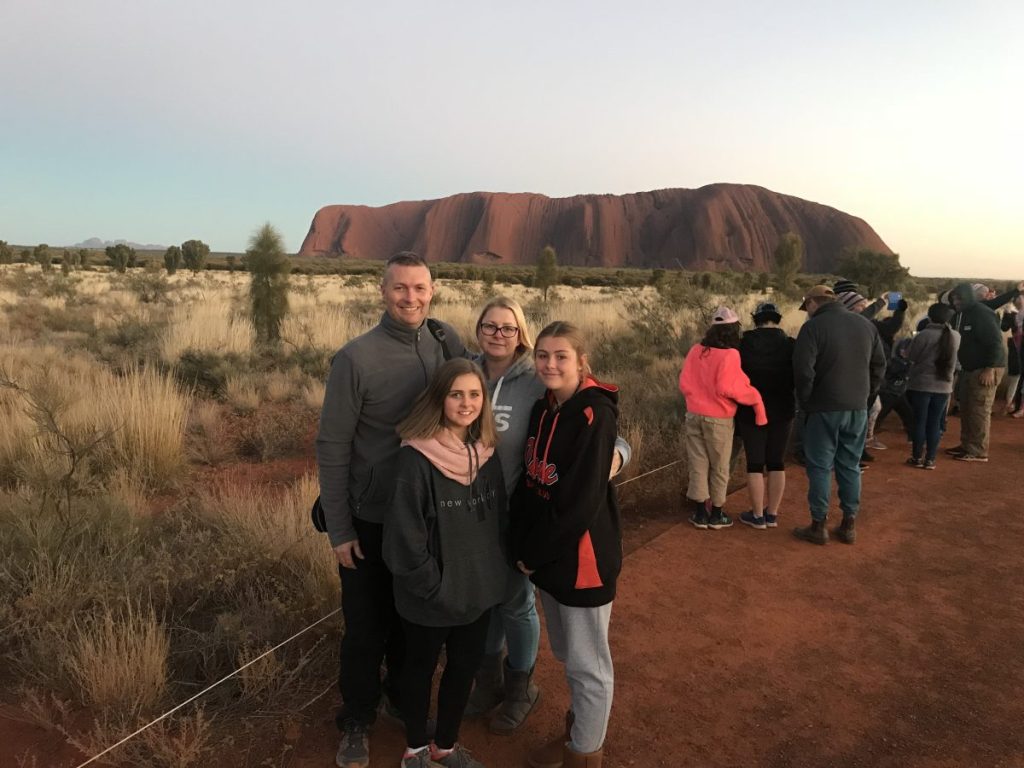
The next morning, Wednesday, July 11th, we were up and at it by 5:30 AM, heading into the Uluru-Kata Tjuta National Park. Thanks to a tip from fellow travellers Simon and James, we arrived early and snagged a prime parking spot to watch the sunrise over Uluru. Even at the crack of dawn, there were already about 60 vehicles behind us. The temperature was freezing – 0 degrees but felt like -5, with the car’s sensor flashing a warning about icy roads. But was it worth braving the cold? Absolutely. Watching the first light of day touch Uluru was a sight to behold, even if it wasn’t exactly what we had imagined. Kudos to Josh the Pilot for capturing the moment with some incredible time-lapse footage.
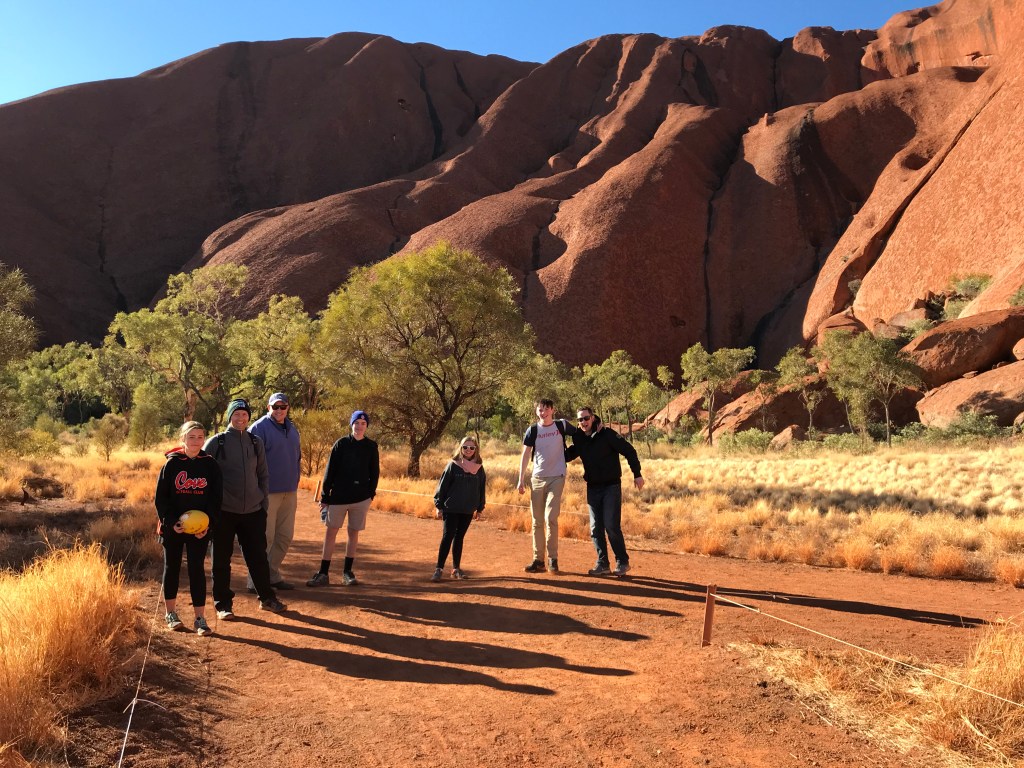
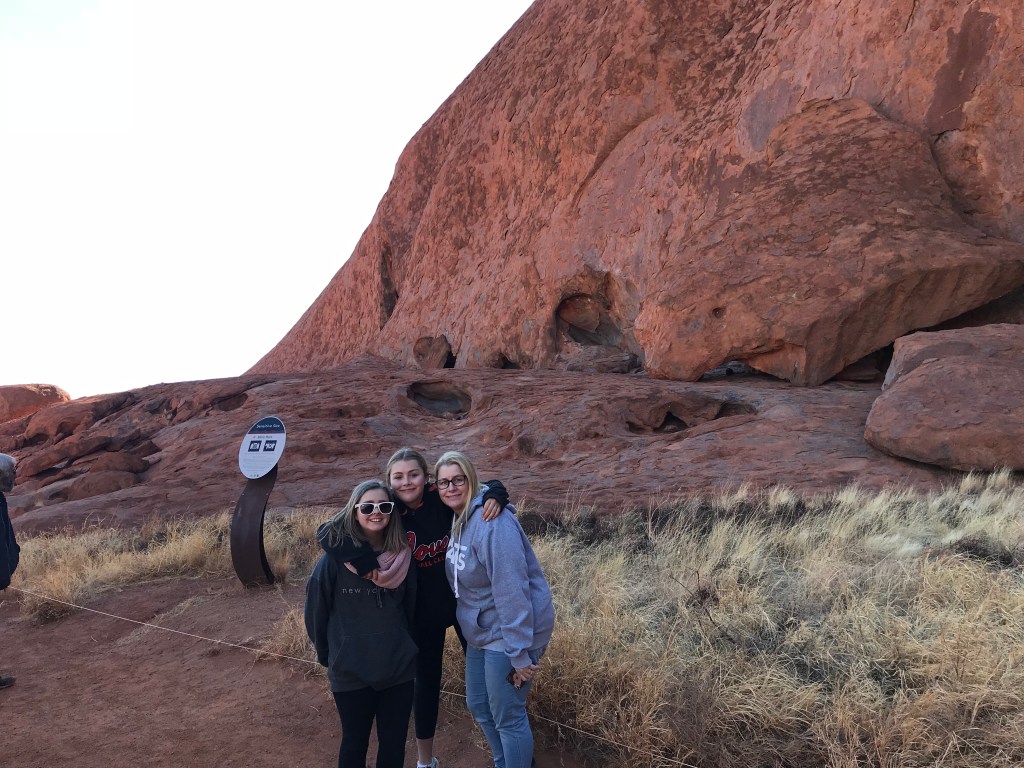
In need of warmth, we headed to the Uluru Cultural Centre for a well-deserved coffee break. The girls tried a chai latte – milkshakes were off the menu until the milk delivery arrived. By 10:00 AM, we decided to drive to the western side of Uluru to see if we could climb it. Unfortunately, the sign read “No Climbing Due to High Winds” at just 6 knots, leaving us scratching our heads. Instead, we opted for the Mala Walk, a beautiful trek around the base of Uluru.
After the walk, we returned to the camping grounds for lunch, but the day wasn’t over yet. As Emily and I kicked a football around the campsite, Brianna emerged from her Instagram shadows to ask if we were heading back to Uluru to check if the climb was open. And just like that, we were back in the car.
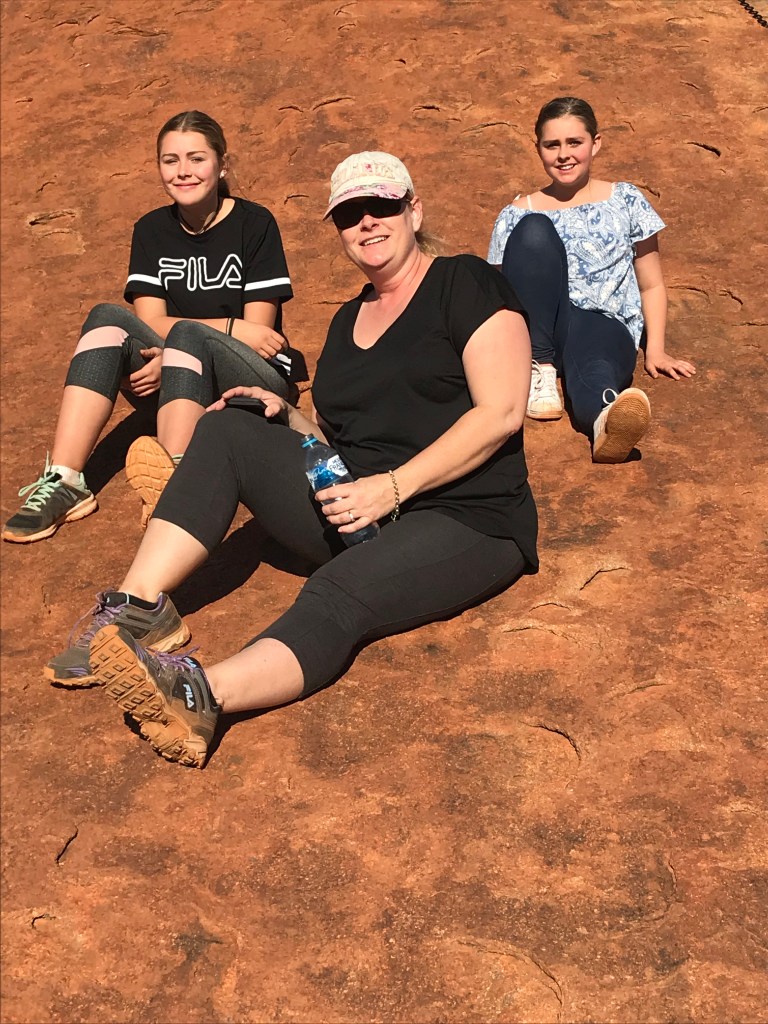
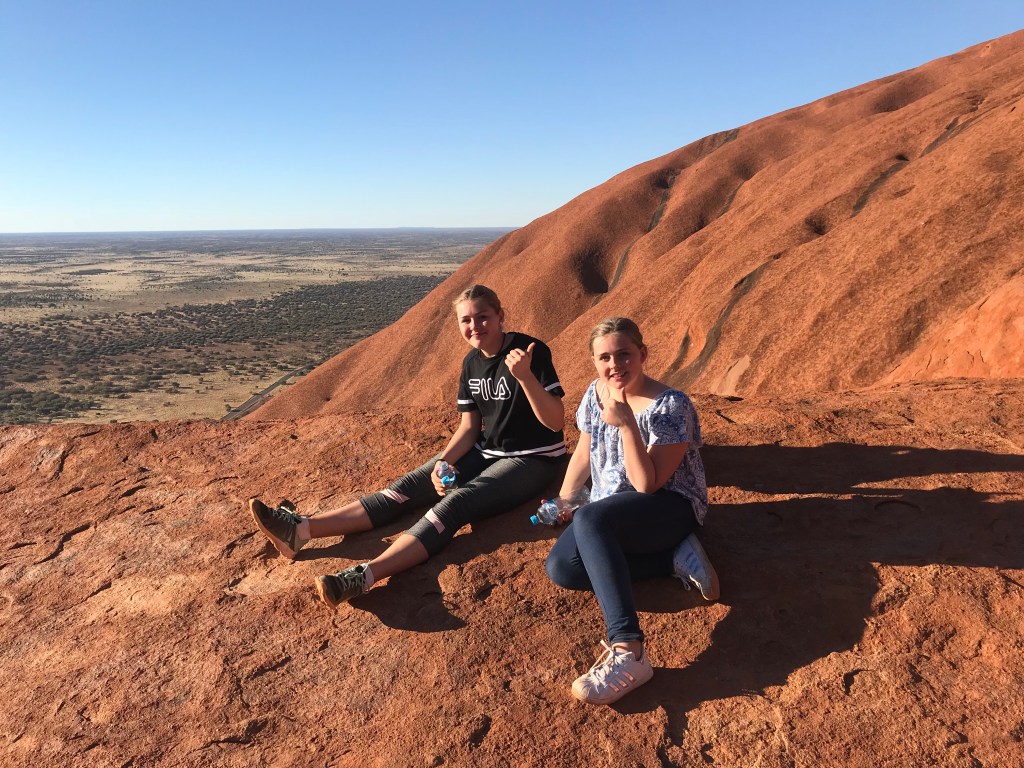
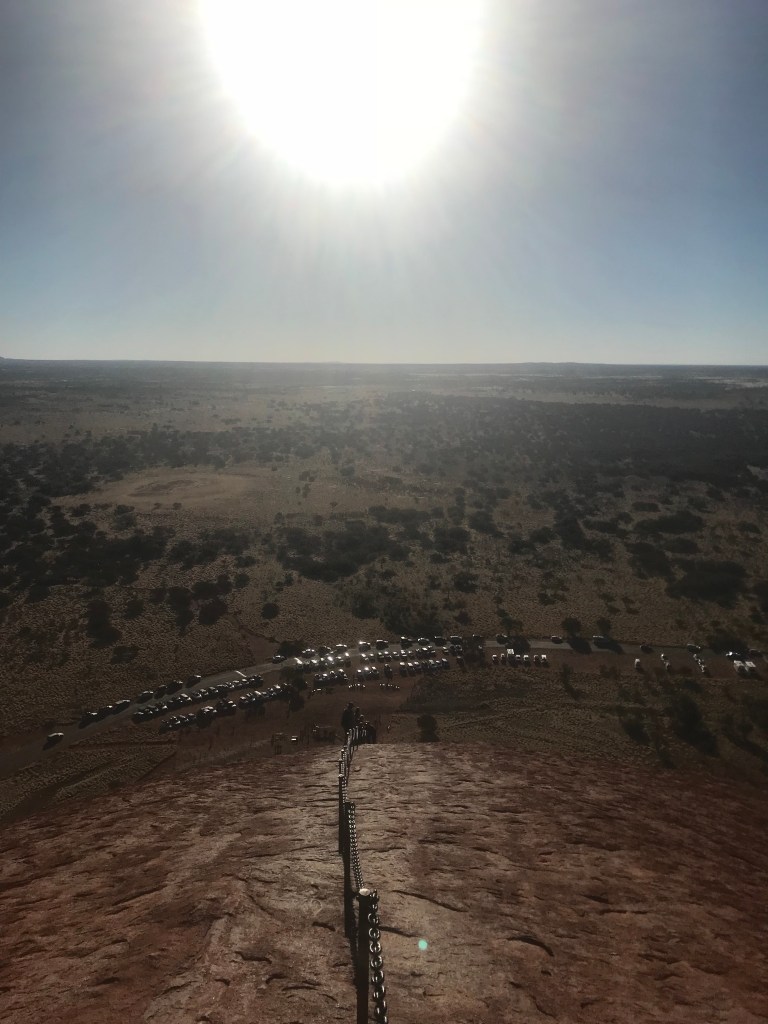
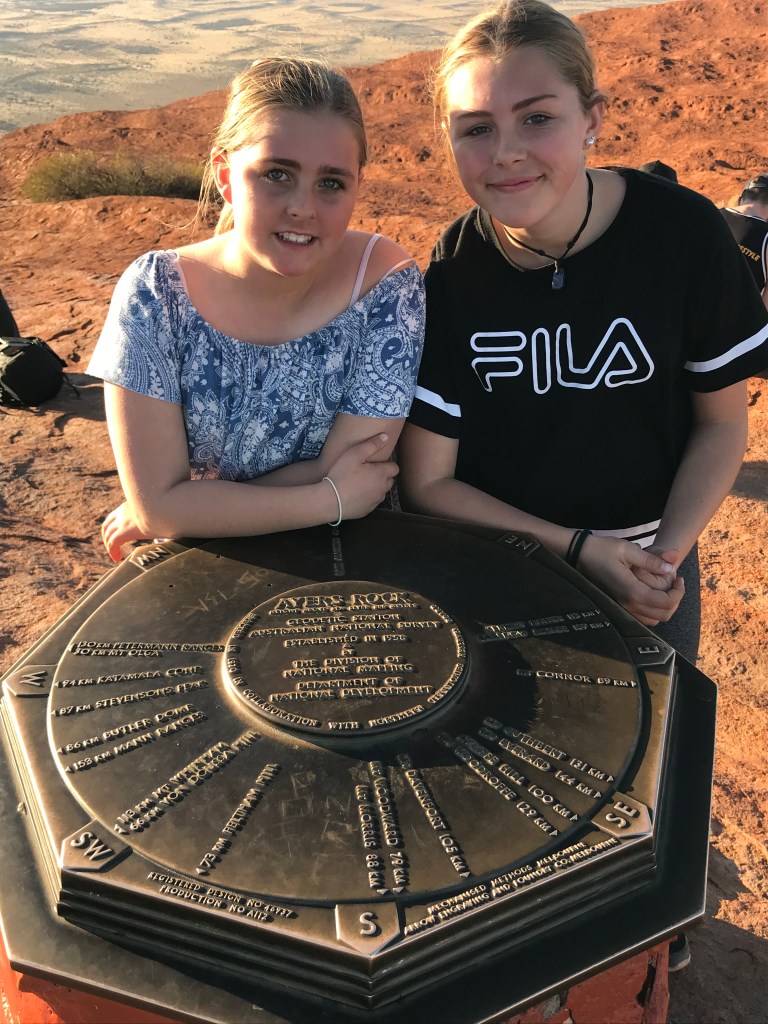
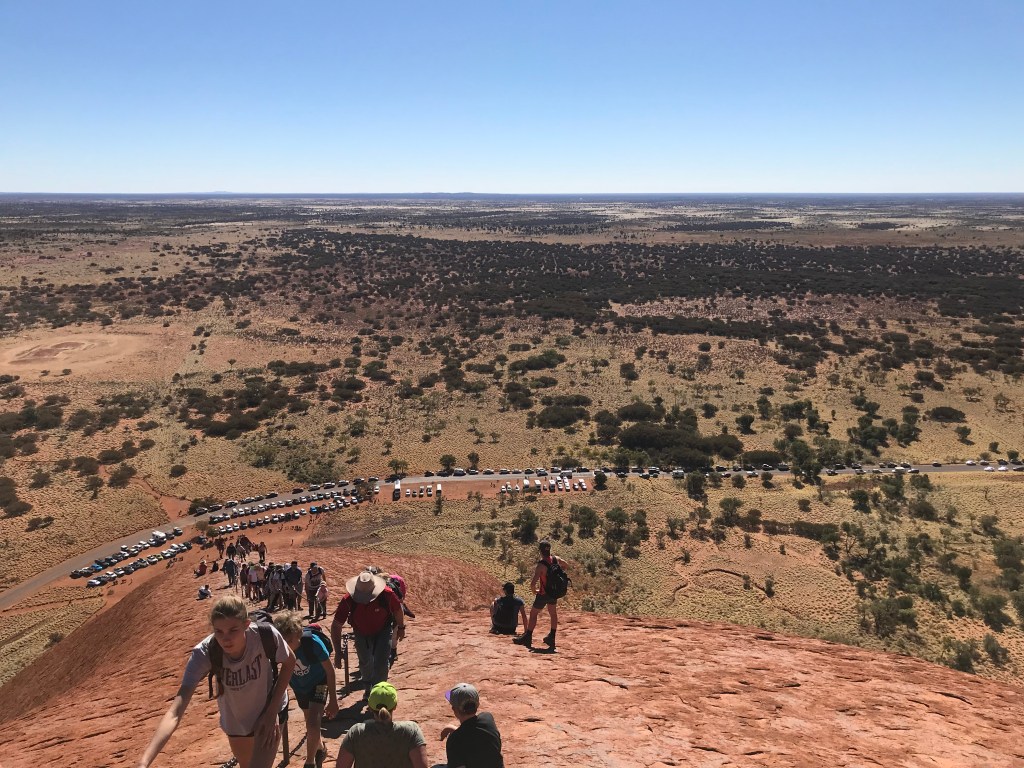
The CB radio crackled to life: “Hey Schnitty, the rock is open, I repeat, the rock is open!” We texted Danger Dan and Josh the Pilot to share the good news and hurried to the starting point. Brianna and I were on a mission—Belinda and Emily joined us, but after a short climb, Emily’s slippery shoes and Belinda’s experience (she climbed it 26 years ago) had them bowing out. With backpacks on and water bottles at the ready, Brianna and I continued our ascent, determined to make it to the top before our evening camel tour.
Reaching the summit was exhilarating. As we began our descent, we noticed a few fellow climbers who probably should have reconsidered—one was wearing a full ankle aircast, and another pair had no shoes at all! But who were we to judge?
Sunset Camel Tour
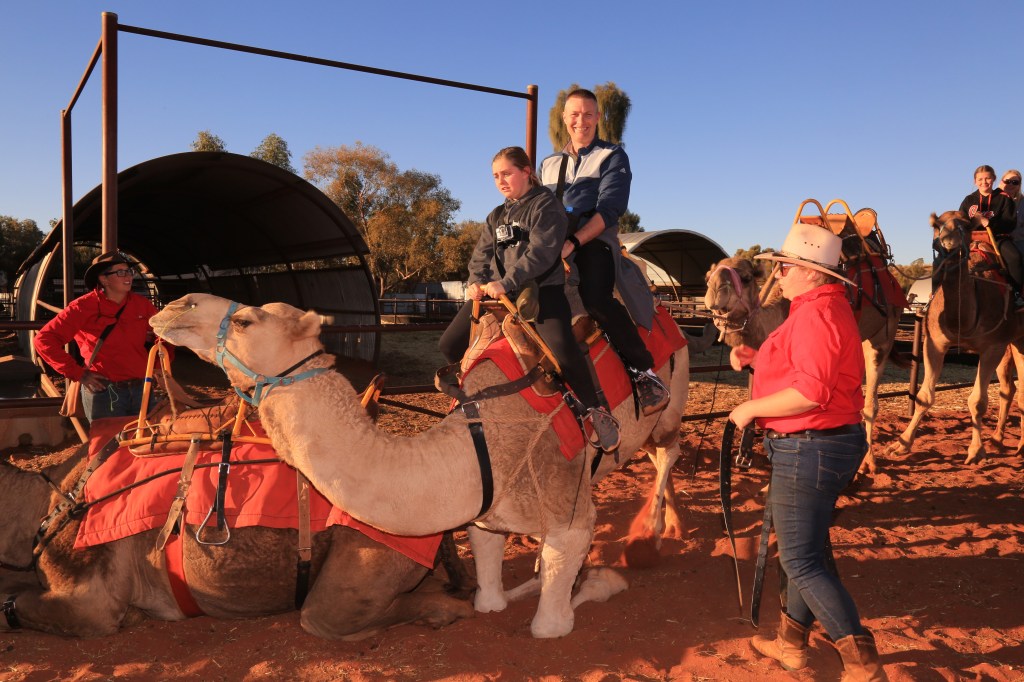
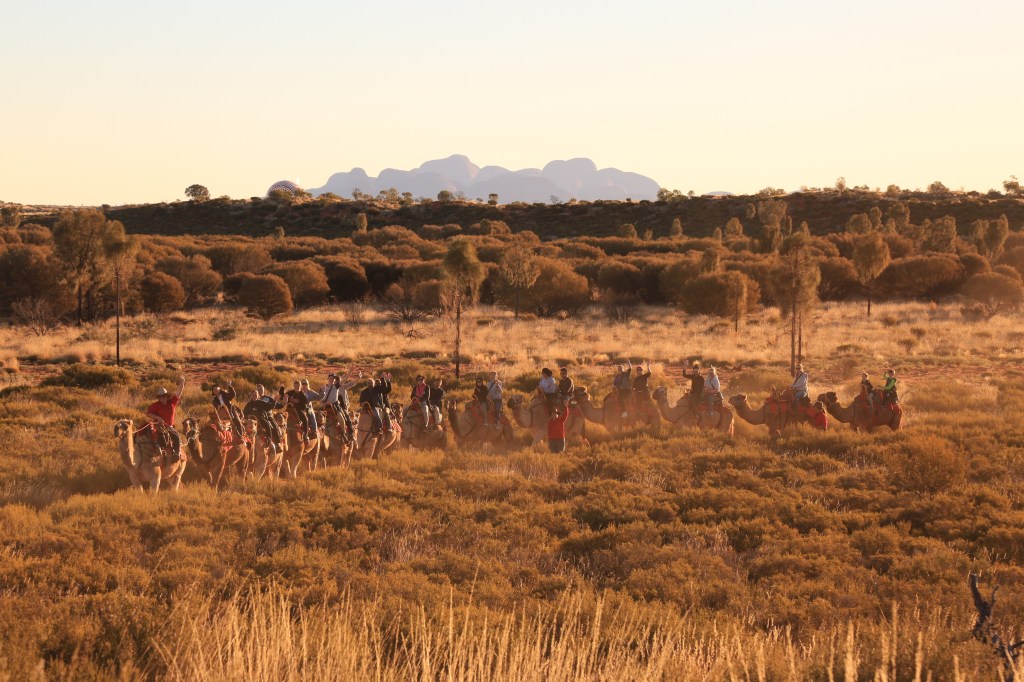
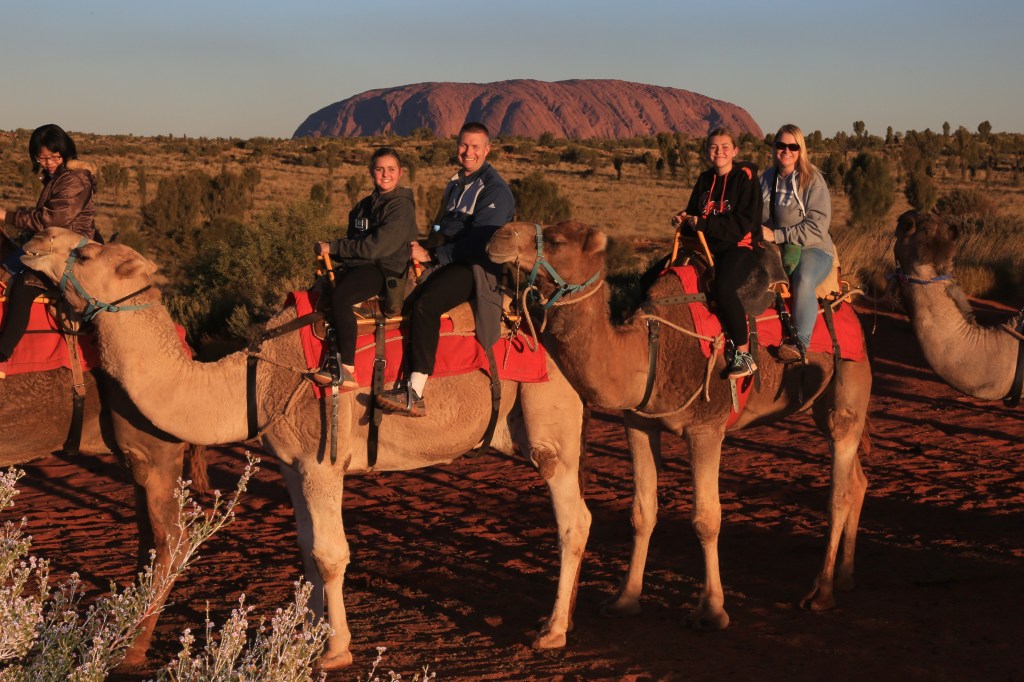
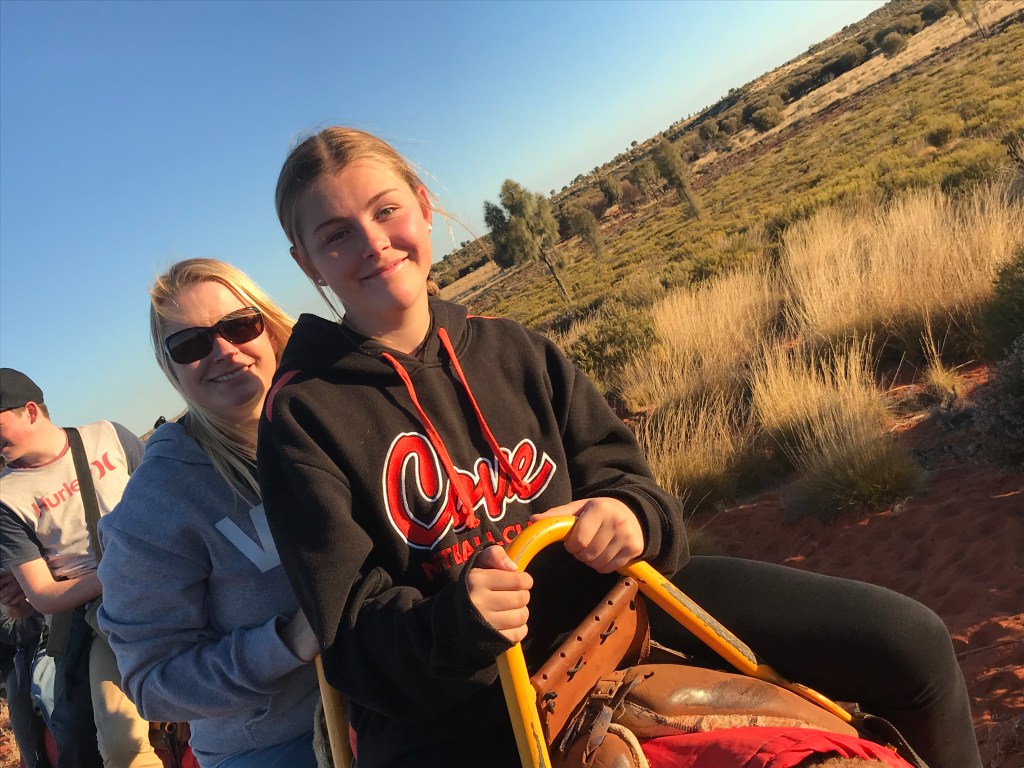
Later that evening, we met at the bus stop for our Camel Sunset Tour. Danger Dan and Pilot Josh almost missed the bus but managed to catch up just in time. The bus driver wasn’t too thrilled, giving them a good-natured ribbing when we arrived at the camel farm. The tour was a blast, led by a friendly bunch of cameleers with a great sense of humour. After a quick safety briefing, we were assigned our camels – Belinda, for the second time in her life, got “Lucky.” Riding through the sand dunes, we learned all about these incredible animals before reaching a vantage point to watch the sunset over Uluru – a breathtaking sight.
We wrapped up the evening back at the ranch with a couple of cold drinks and some freshly baked damper-delicious. The day was capped off with a birthday dinner for Josh the Pilot at the Bough House Restaurant, where we all enjoyed a hearty meal after an unforgettable first day at Uluru.
Exploring The Olgas
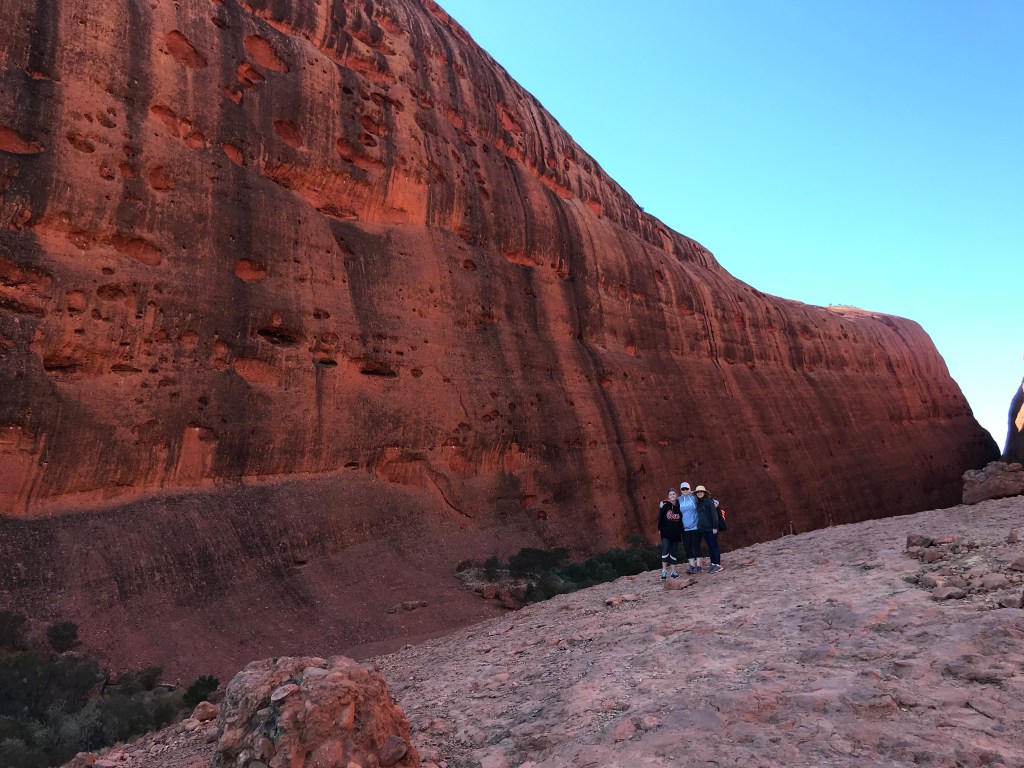
Thursday, July 12th, started off slower, giving us time to recover from the previous day’s adventures. Today’s goal was to explore The Olgas (Kata Tjuṯa), another stunning landmark near Uluru. These massive domed rock formations are just as awe-inspiring as Uluru itself, offering a different but equally impressive backdrop.
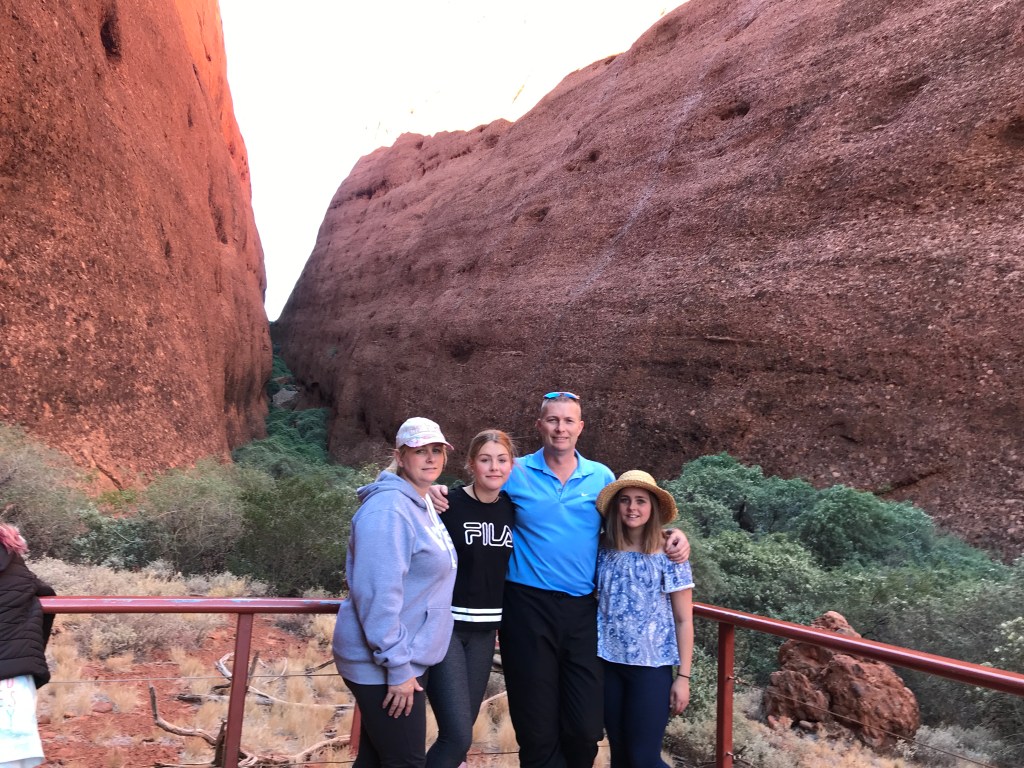
We opted for the shorter walks, starting with the Walpa Gorge Walk (2.6 km) and then heading to the Valley of the Winds Walk to the Kara Lookout (2.2 km). Each walk offered its own unique perspective of The Olgas’ beauty. By 2:00 PM, we were ready for lunch and headed back to the Uluru Cultural Centre. Luckily, the kitchen was still open, despite officially closing at 2:00 PM, thanks to the crowd of visitors.
Belinda and Emily were eager to share in the excitement of climbing Uluru, and Brianna felt she had unfinished business after not making it to the top the day before. So, we headed back to Uluru, hoping it was still open. To our delight, it was! This time, we didn’t need to rush, allowing us to savour the climb and even share the experience live with our Facebook friends.
Unfortunately, Belinda had to turn back three-quarters of the way up due to her tired ankles. But Brianna, Emily, and I pressed on, determined to reach the summit. The girls did an incredible job, navigating some nerve-wracking sections with courage and determination. The descent was much easier this time, with fewer people on the trail since the ranger had closed the climb to new arrivals.
But the adventure wasn’t without its scares. As we neared the bottom, Brianna suddenly lost her footing and came hurtling down the rock towards Emily and me. With a quick reflex, I managed to scoop her up just in time, bringing her to a stop in a heart-pounding moment we won’t soon forget.
Uluru is more than just a rock in the ground – it’s a place of immense beauty, history, and cultural significance. Whether you’re watching it glow at sunrise, exploring its base, or taking in the views from the summit, Uluru is a sight to behold from every angle and at every time of day. The nearby Olgas are equally spectacular, offering a different but no less captivating experience.
As I reflect on our time here, it’s clear that no amount of research, photos, or videos can truly capture the magic of Uluru – you have to see it for yourself. While the ban on climbing the rock may deter some visitors, it’s essential to respect the cultural significance of Uluru and the Anangu people’s wishes. And who knows, maybe the ban will lead to new ways of experiencing this incredible place.
A few insider tips: The Ayers Rock Resort has everything you need, but the IGA only stocks frozen bread (at $7 a loaf!). However, most other items are reasonably priced. My biggest fun fact? Check out the Shell petrol station for souvenirs, camping gear, and a killer breakfast deal – two bacon and egg or sausage and egg muffins for $8, and two Farmers Union Iced Coffees for $6.
Uluru is a must-visit destination that deserves every bit of our 5/5 gold star rating. Whether it’s your first time or a return trip, the Red Heart of Australia is sure to leave a lasting impression.
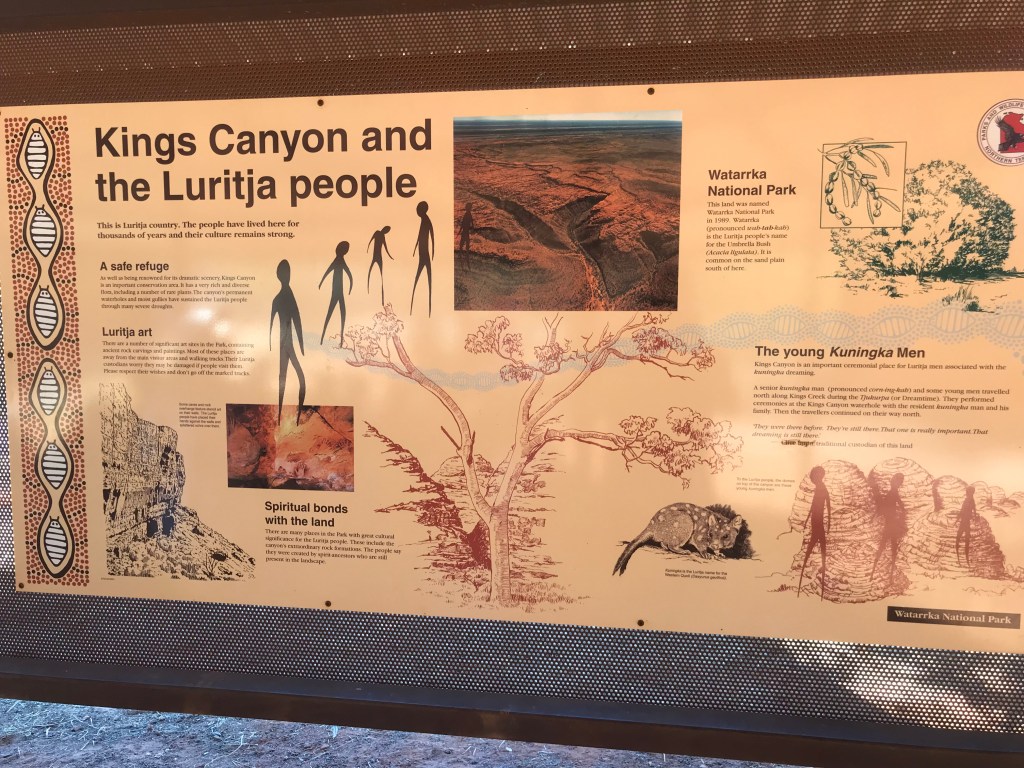
Kings Canyon: A Journey into the Heart of Watarrka National Park
Leaving the iconic beauty of Uluru behind, we set out on the next leg of our adventure – a 5-hour drive to the stunning Watarrka National Park, home to the legendary Kings Canyon. The journey itself was an adventure, with a few unexpected roadblocks, including a massive cow lazily blocking our path, wild camels strolling by, and a herd of Brumbies galloping across the road. The Australian outback never fails to surprise!
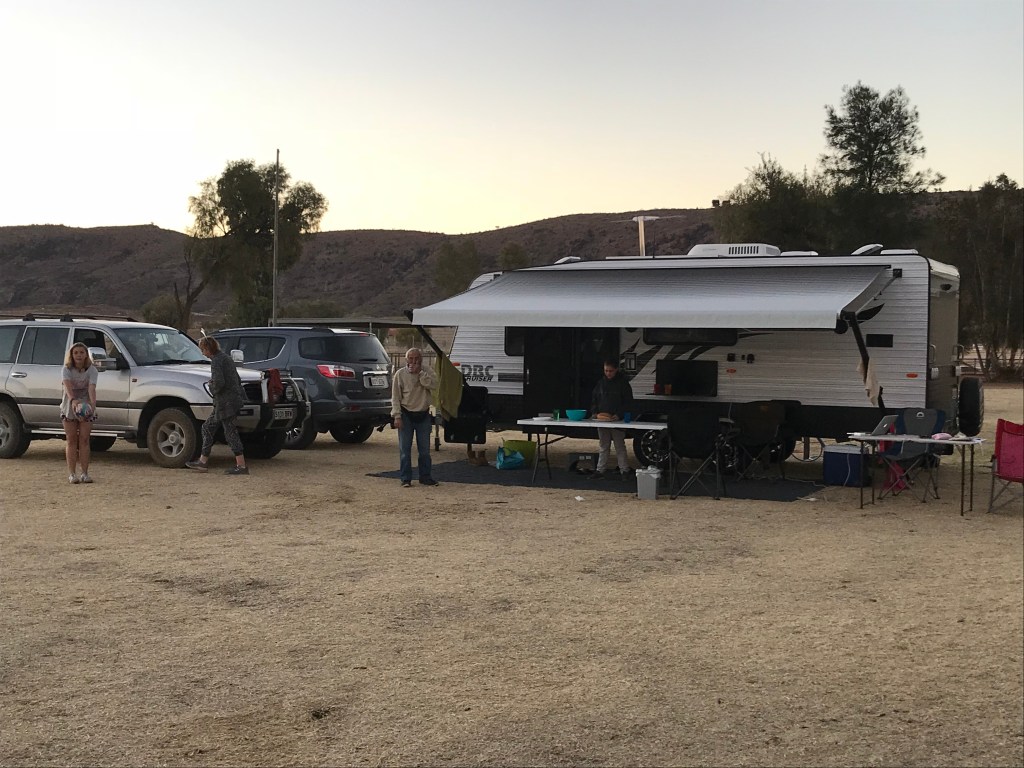
When we finally arrived at Kings Canyon Resort, we discovered its quirky setup. You check in at one spot, then drive about 100 meters down the road to the actual camping grounds. Fortunately, we were able to drive straight into our site and set up the caravan in no time. With lunch packed and our excitement levels high, we headed out to explore the crown jewel of the area: the Kings Canyon Rim Walk.
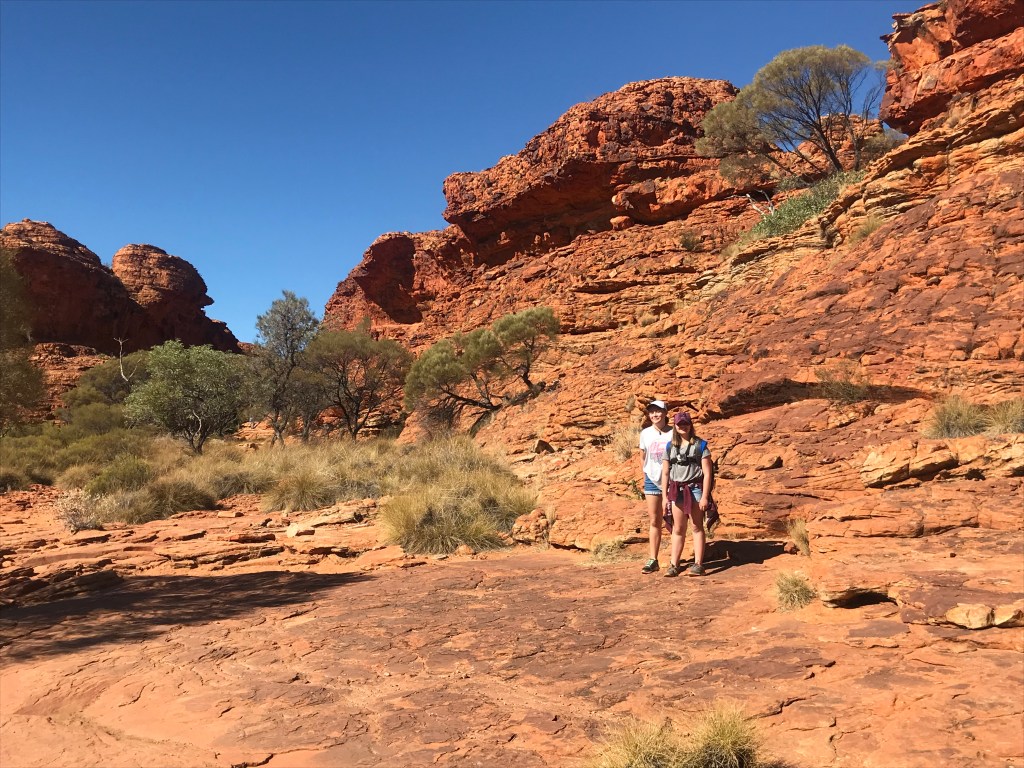
The Kings Canyon Rim Walk is a 6-kilometer loop that takes you around the rim of this magnificent canyon. The adventure begins with a steep ascent of about 500 steps, a challenging start that’s rewarded with a breathtaking view from the halfway landing – perfect for a quick rest, especially after conquering Uluru twice in the past two days!
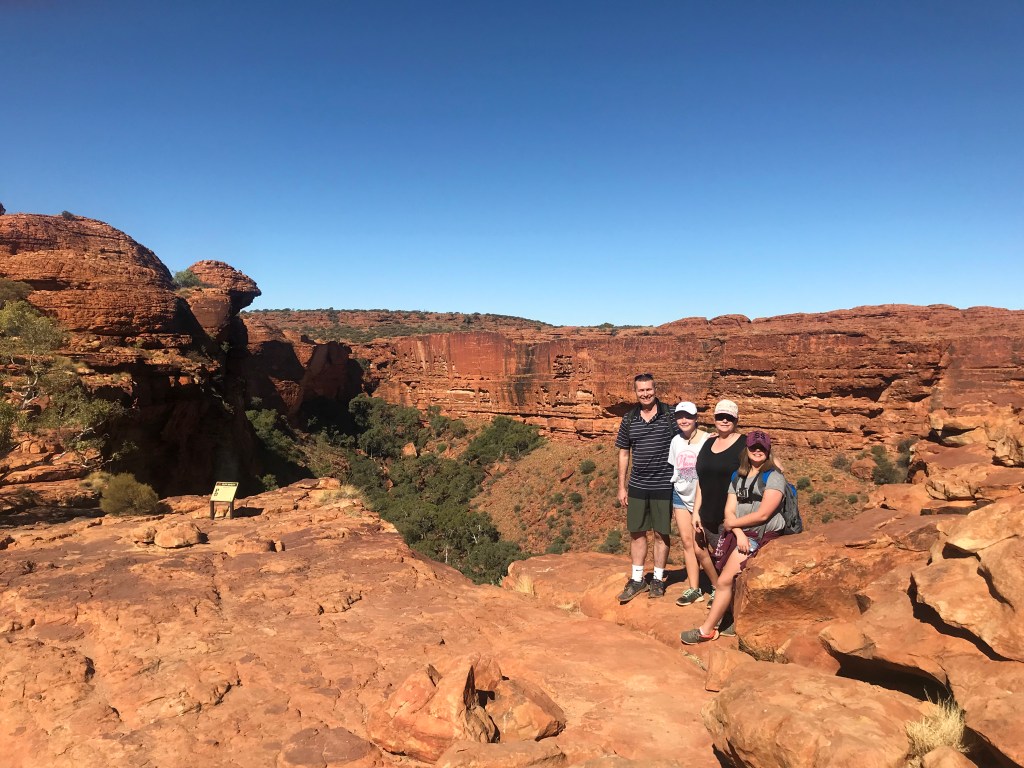
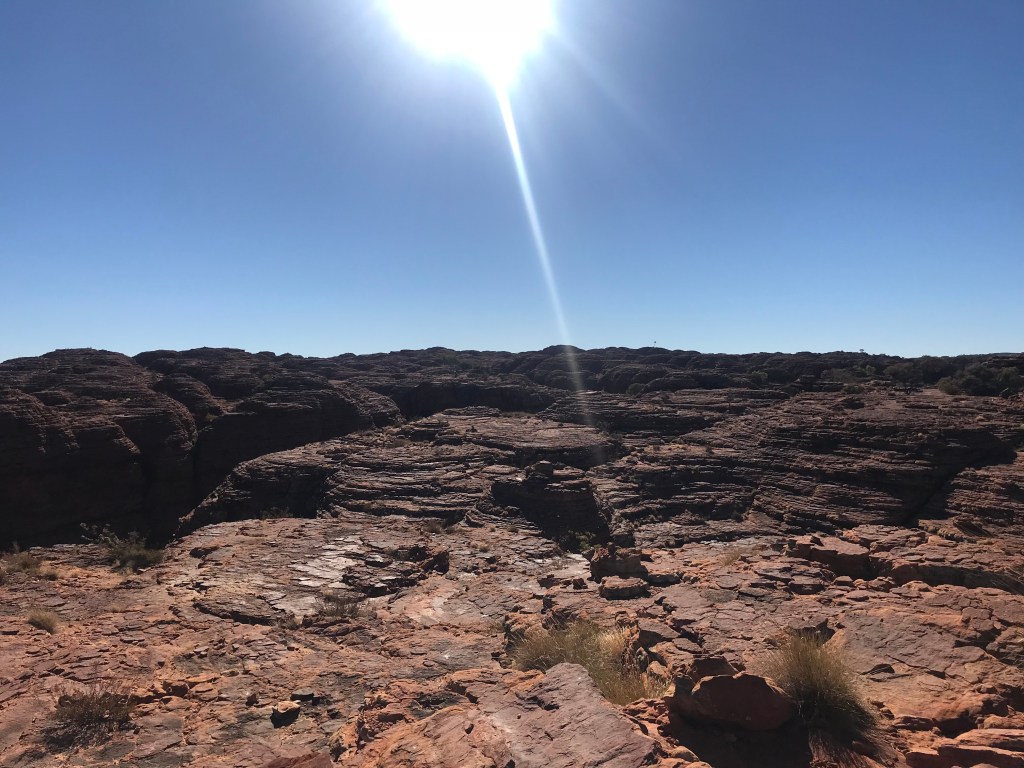
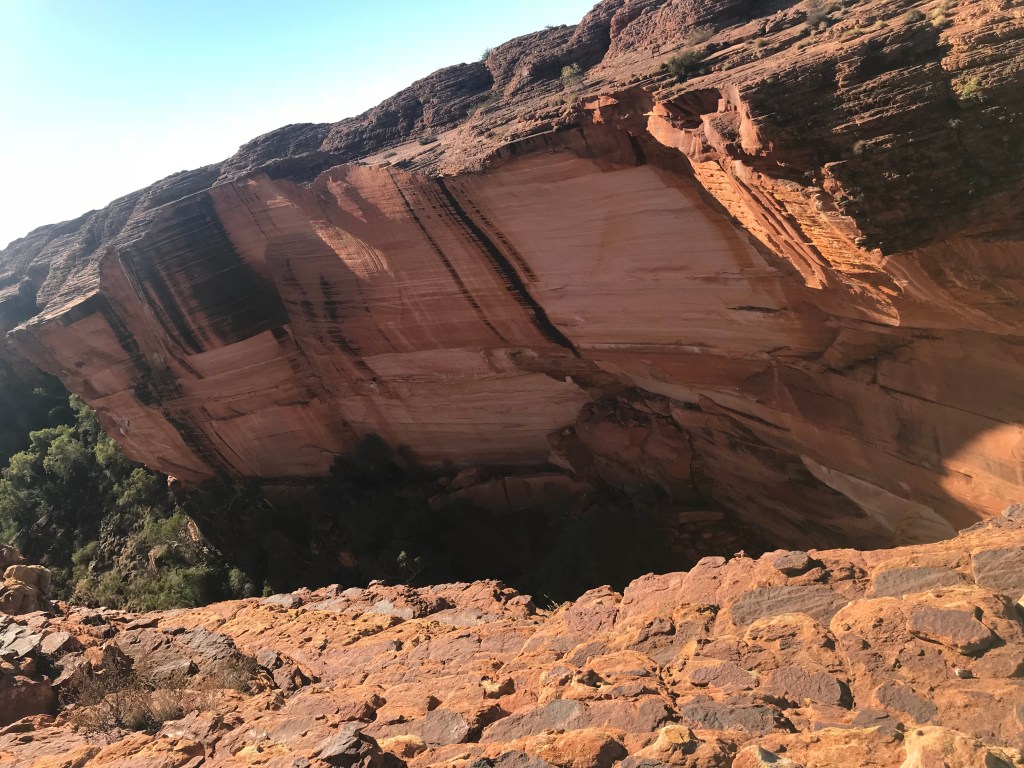
Once we reached the top, the landscape started to level out, and that’s when the true beauty of Kings Canyon began to unfold. The views were nothing short of spectacular, with unusual rock formations that looked like giant beehives, their colours glowing under the sun. Every turn of the trail offered something new – a different angle, a new vista, or an unexpected rock formation that left us in awe.
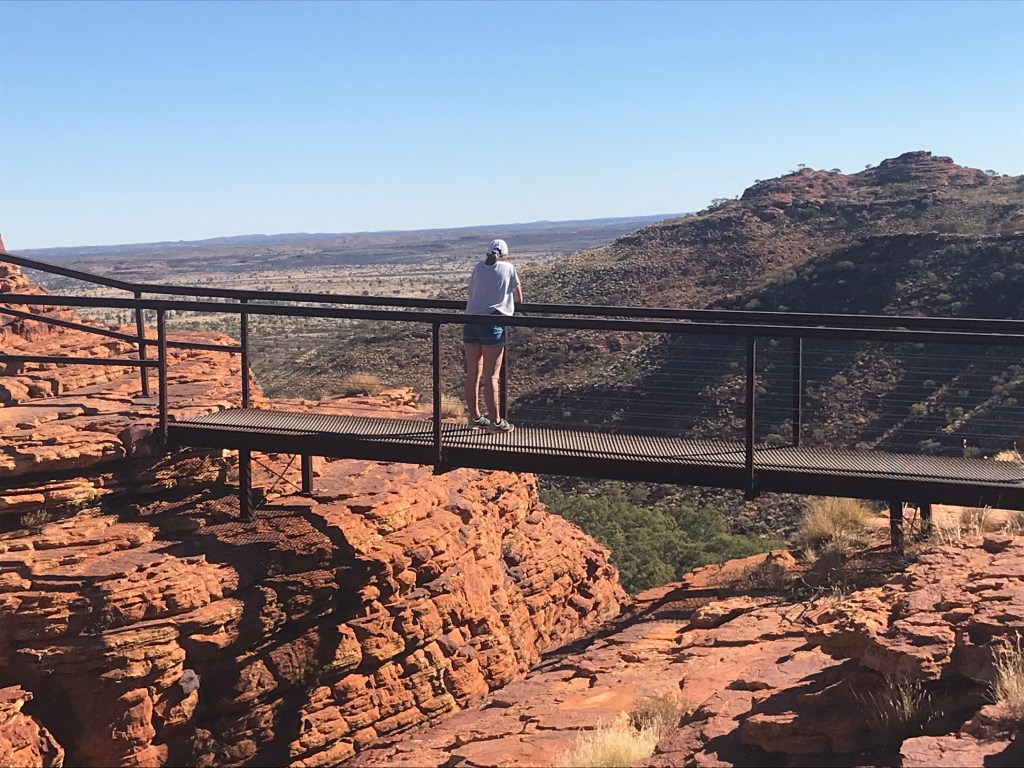
One of the highlights of the walk was reaching the lookout point, where we crossed a bridge and descended a steep staircase before climbing back up on the other side. Just off the main track, there’s a detour to the Garden of Eden, a tranquil waterhole surrounded by lush greenery – a little oasis in the middle of the rugged outback. The short 30-minute return walk was well worth it for the serenity and beauty of the spot.
As we continued along the Rim Walk, the endless views made us question when the trail would finally come to an end. But the sight of the sandstone cliff faces on the opposite side of the canyon made every step worthwhile. After about 3.5 hours of hiking, we made our way back down the track, feeling accomplished and thoroughly impressed by the natural beauty we’d just experienced.
Back at the camping grounds, we were ready for a relaxing evening, but unfortunately, the facilities didn’t quite live up to expectations. Despite having plenty of amenities, the campground was a bit run-down and not particularly clean, with the unfortunate surprise of no toilet paper in the bathrooms. The BBQs were nearly impossible to find, and the one we did locate was broken.
Determined not to let this dampen our spirits, we decided to treat ourselves to dinner at the Outback BBQ and Grill. The meal didn’t come cheap – $120 for four – but the food was surprisingly good. The meat was well-cooked, the salad bar was fresh, and the portions were generous, making it a worthwhile splurge after a long day.
As the day wound down, I took some time to capture the stunning landscape with my drone. With a permit from the Northern Territory Government to fly in Central Australian Parks, I was able to capture breathtaking footage that truly highlighted the grandeur of Kings Canyon from above.
Kings Canyon is a must-see destination for any traveller exploring Australia’s Red Centre. Despite a few hiccups with the campsite, the experience of walking the rim and taking in the rugged beauty of this ancient landscape was unforgettable. Next stop: Alice Springs!
Alice Springs: The Heart of the Outback
Saturday, July 14th – With a tune in our heads and the open road ahead, we set off from Kings Canyon, bound for Alice Springs. The downside? A bit of backtracking, as we weren’t keen on tackling unsealed roads. But the promise of what lay ahead kept our spirits high.
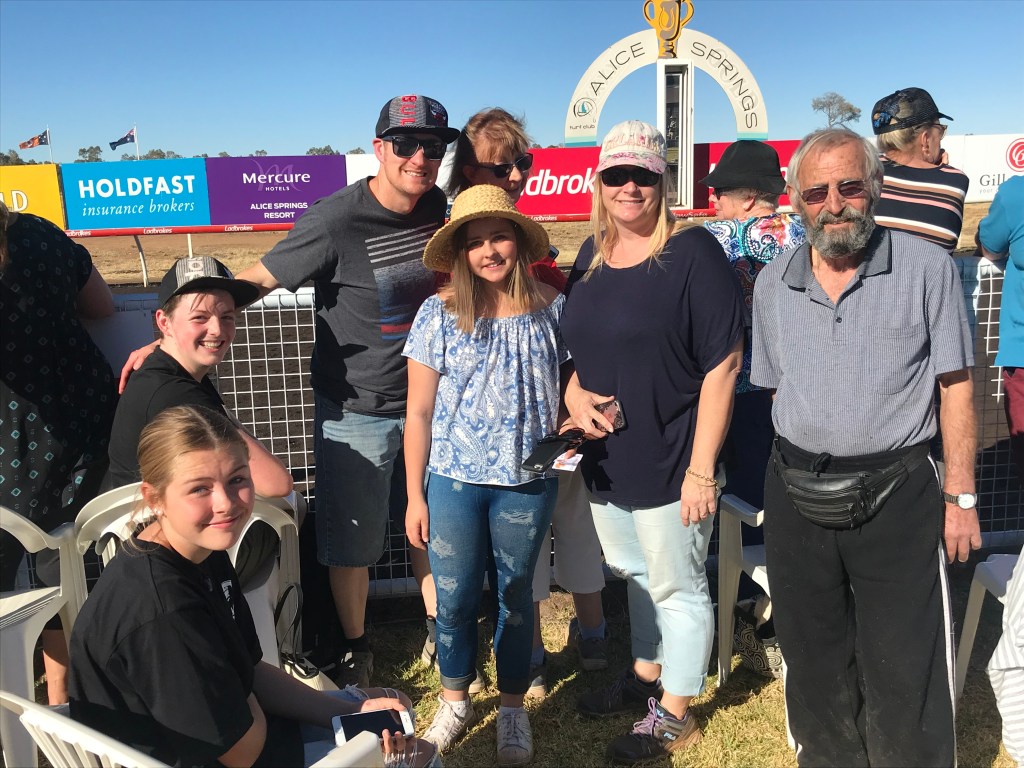
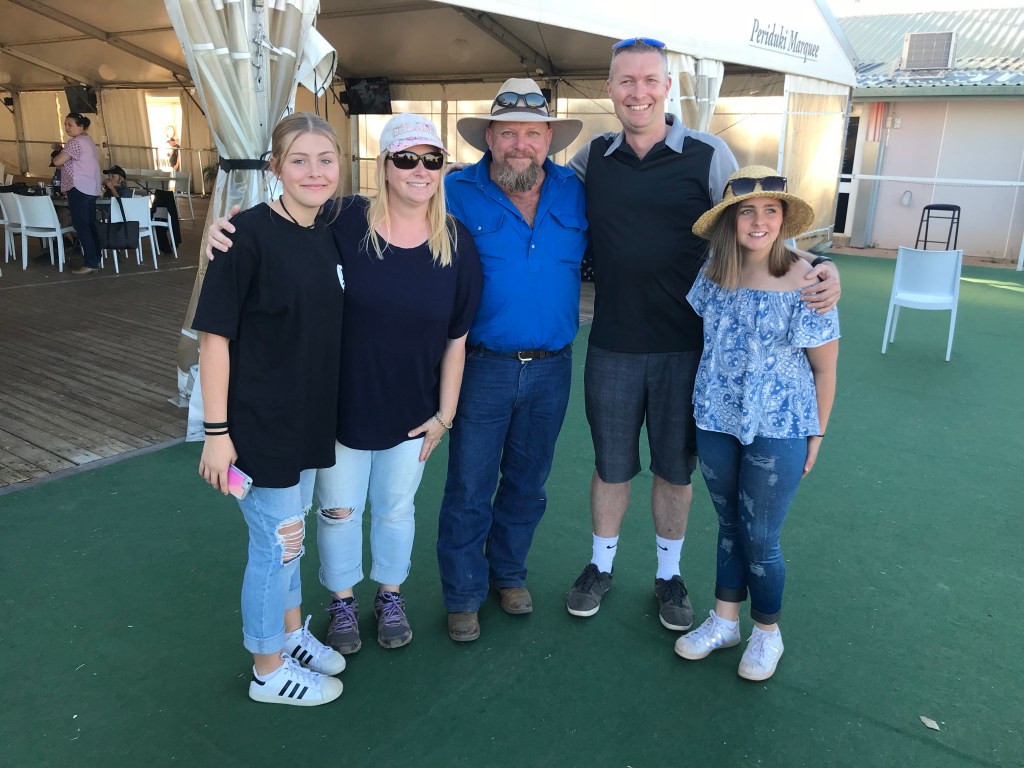
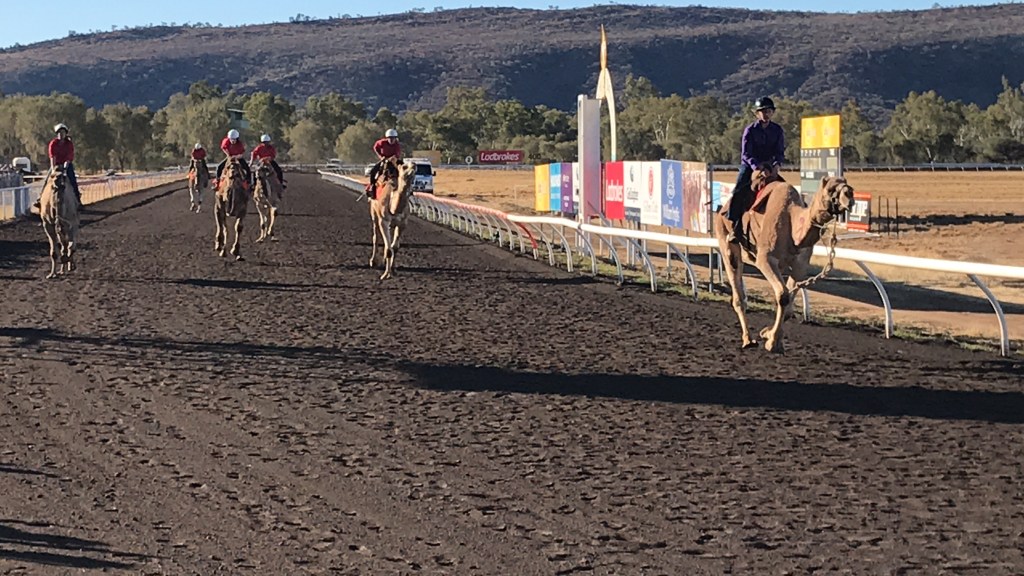
Our first stop en route was the Cannonball Run Memorial, a sombre reminder of the ill-fated 1994 event that claimed two lives. After paying our respects, we received a timely tip from Danger Dan: the Camel Cup was still on in Alice Springs! With no time to lose, we made a quick detour to the event, where we unexpectedly bumped into “Macca,” the star of What’s Up Down Under.
The Camel Cup turned out to be a quirky and unique experience—no betting on the camels, but you could try your luck with the Racing Ducks! Imagine a raffle, but with ducks instead of numbers. It was definitely a memorable and animal-friendly spectacle. Afterward, we enjoyed our first outdoor camp kitchen BBQ together, relishing the simple pleasure of cooking and dining under the stars.
A Day at the Todd Mall Markets
Sunday morning brought the lively Todd Mall Markets to town, and of course, we spent the next four hours wandering through the stalls. Up and down the mall we went, more than once, each pass revealing something new among the handcrafted goods and local art. Belinda scored a beautiful piece of traditional Aboriginal art, hand-painted by a local elder – truly a one-of-a-kind treasure.
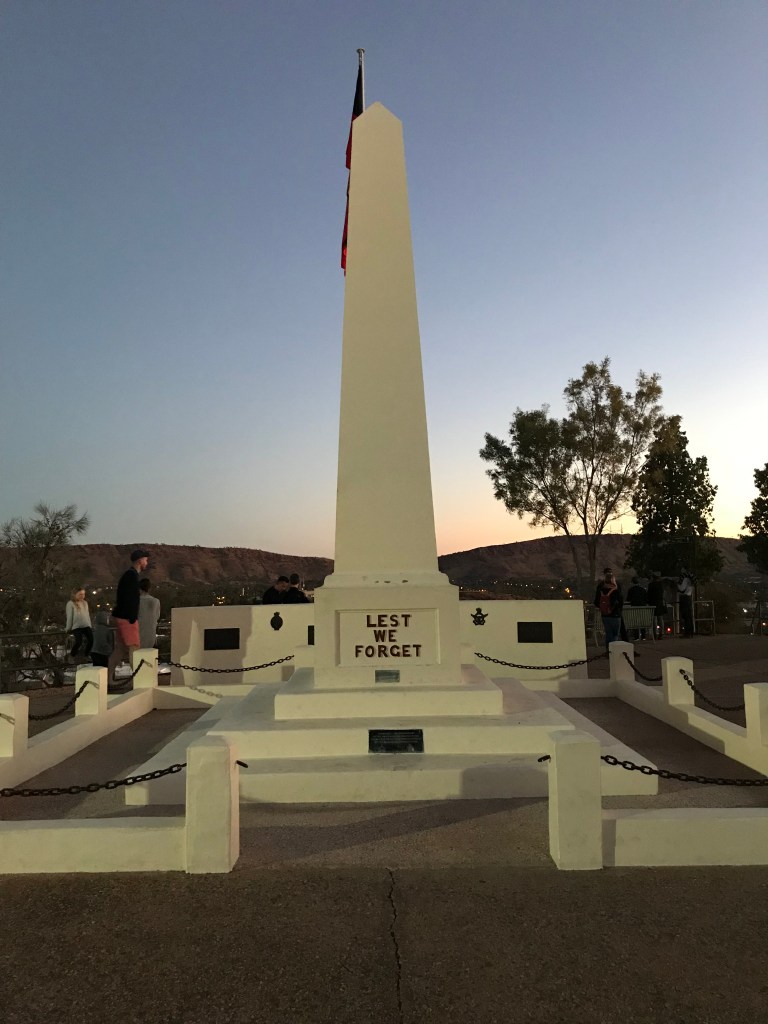
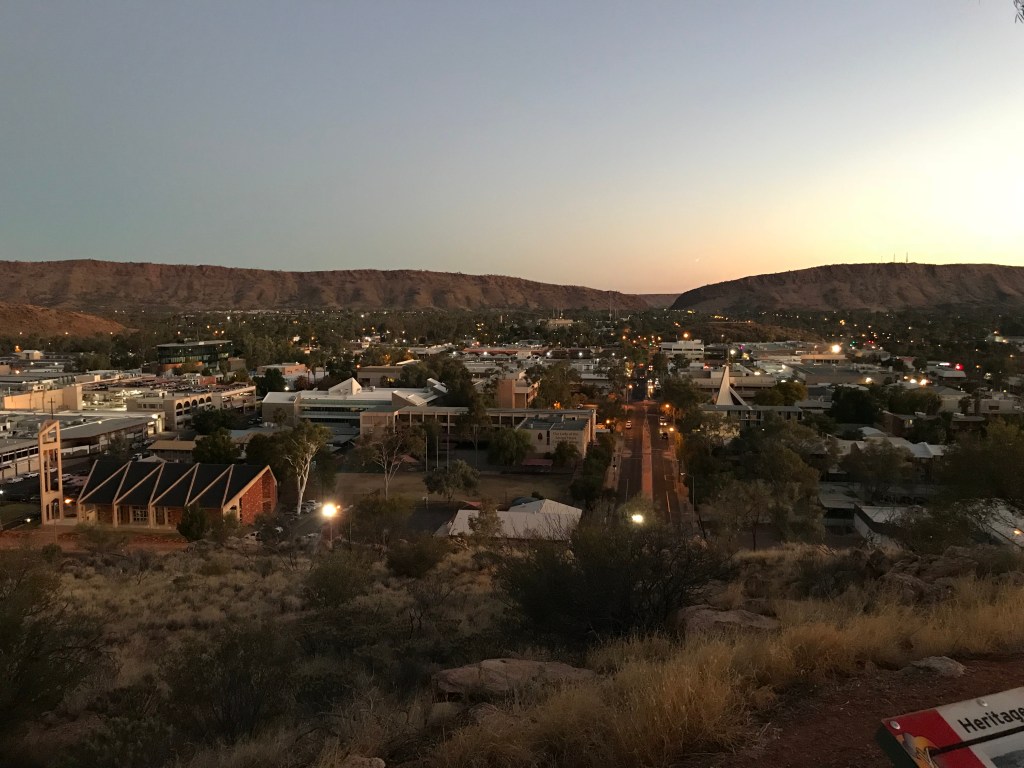
Next, we headed up to ANZAC Hill a memorial that offers a panoramic view of Alice Springs and a poignant reminder of our ANZACs, past and present. I captured a stunning sunset over the town from this vantage point with my DJI Spark drone (permit approved, of course). The view was a perfect end to a day of exploring the local culture and history.
Exploring the Desert Park
Monday was dedicated to exploring the Alice Springs Desert Park, a place where the stories of the outback come to life. The park is designed so that you can wander at your own pace, with rangers meeting you at various stations to share knowledge about the animals, plants, and the rich traditions of the desert. We were captivated by the dreamtime stories, learning how the Aboriginal people hunted, gathered food, and lived in harmony with the land.
Belinda and I were so intrigued by the traditional stories that we decided to extend our stay in hopes of learning more. Unfortunately, we discovered that much of this knowledge remains within the sacred confines of Men’s or Women’s Business – cultural practices still observed by the local Aboriginal people, but not shared with outsiders. Even so, the experience was deeply enriching. The day ended on a high note with an up-close encounter with a magnificent Wedge-Tailed Eagle, a bird of prey that truly embodies the wild spirit of the outback. The $40 family entry fee was worth every cent.
That evening, we gathered at Mumma Bear’s campsite for another BBQ, reflecting on the day’s adventures under a sky full of stars.
The Natural Wonders of Tjoritja (West MacDonnell National Park)
Tuesday’s itinerary took us into the rugged beauty of Tjoritja, also known as the West MacDonnell National Park, Our first stop was Ormiston Gorge, a place of great ecological significance where ancient plants and animals, remnants of a bygone era, still thrive. The landscape, with its towering cliffs and hidden waterholes, is sacred to the Aranda Aboriginal people.
Ochre Pits, where the vibrant, natural colours of the ochre were once mined by Aboriginal people for use in ceremonies, artwork, and even trade. The different shades of ochre found here are rare and were highly valued by Indigenous communities.
Ellery Creek Big Hole, a spectacular waterhole nestled within a gorge. The clear, cold water and sandy beach make it a popular swimming spot, though we found the water a bit too chilly for a dip. The natural beauty of this spot, surrounded by towering red cliffs, was breathtaking.
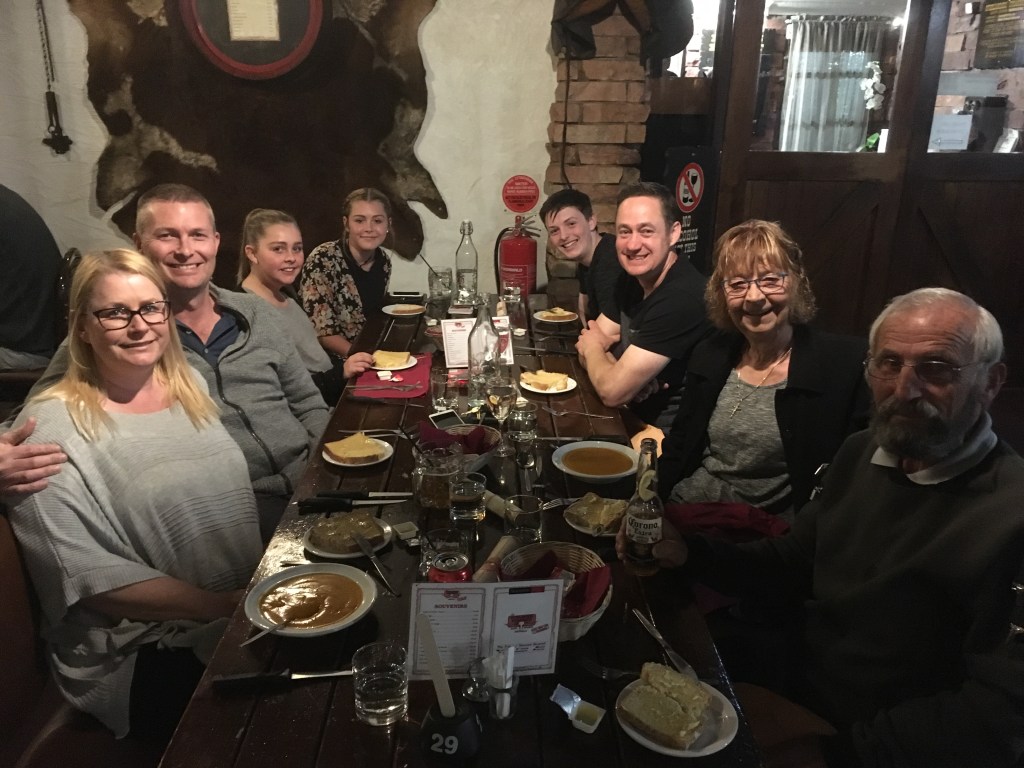
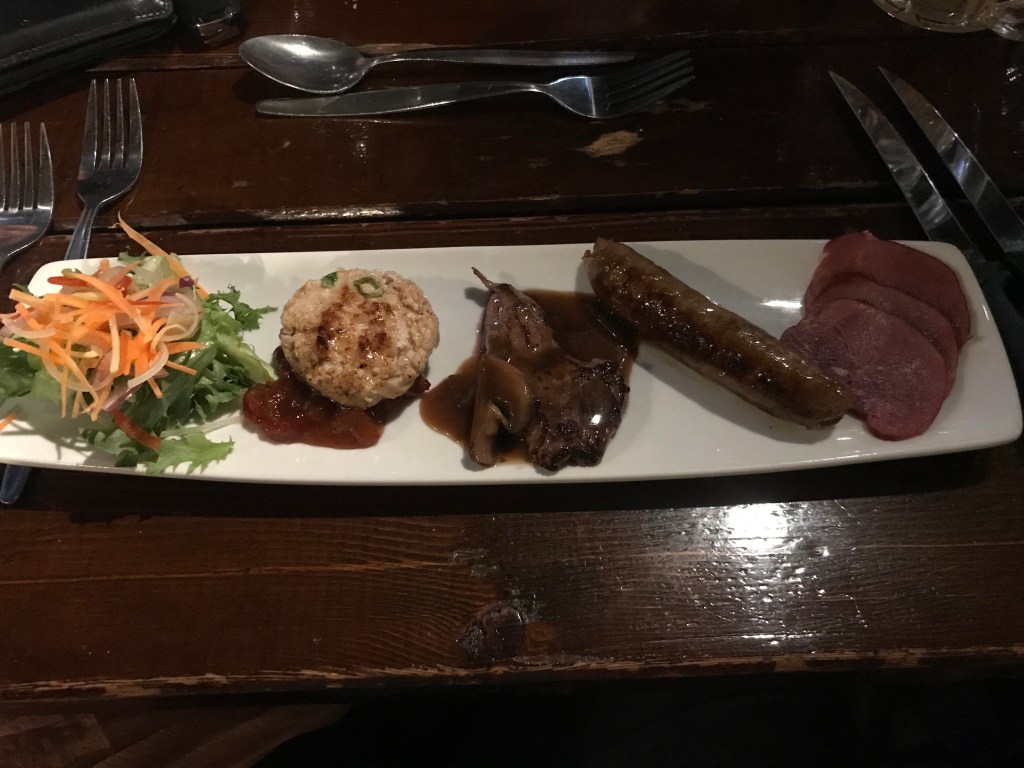
To cap off the day, we treated ourselves to dinner at the Overlanders Steakhouse. With Danger Dan and Josh the Pilot leaving in the morning, it was our last supper together. We indulged in the Drovers Blowout menu, savouring a selection of exotic Australian meats – crocodile, kangaroo, buffalo, and smoked wallaby. It was a fitting end to an adventurous day.
A Day of Rest and Reflection
With our stay extended, Belinda and I moved to the Alice Springs Showgrounds, a short 5-minute drive from our previous campsite. The change of scenery was just what we needed – a day of rest before the long journey home. Emily and I joined Mumma Bear and Papu for a visit to Australia’s Largest Truck Museum. If you’re a fan of trucks, this place is a must-see, filled with an impressive collection of vintage and modern vehicles. The drive and entry fee were well worth it.
The day was quiet, a peaceful pause after the whirlwind of activity, giving us time to recharge before our next adventure.
Alice Springs: A Blend of Culture, History, and Natural Beauty
Alice Springs offered us a rich blend of cultural insights, historical landmarks, and stunning natural landscapes. From the bustling Todd Mall Markets to the serene beauty of Tjoritja, every moment was a new discovery. Our time here deepened our appreciation for the Australian outback and its enduring cultural heritage. As we prepared to leave, we carried with us not just memories, but a deeper connection to this unique and timeless part of the world.
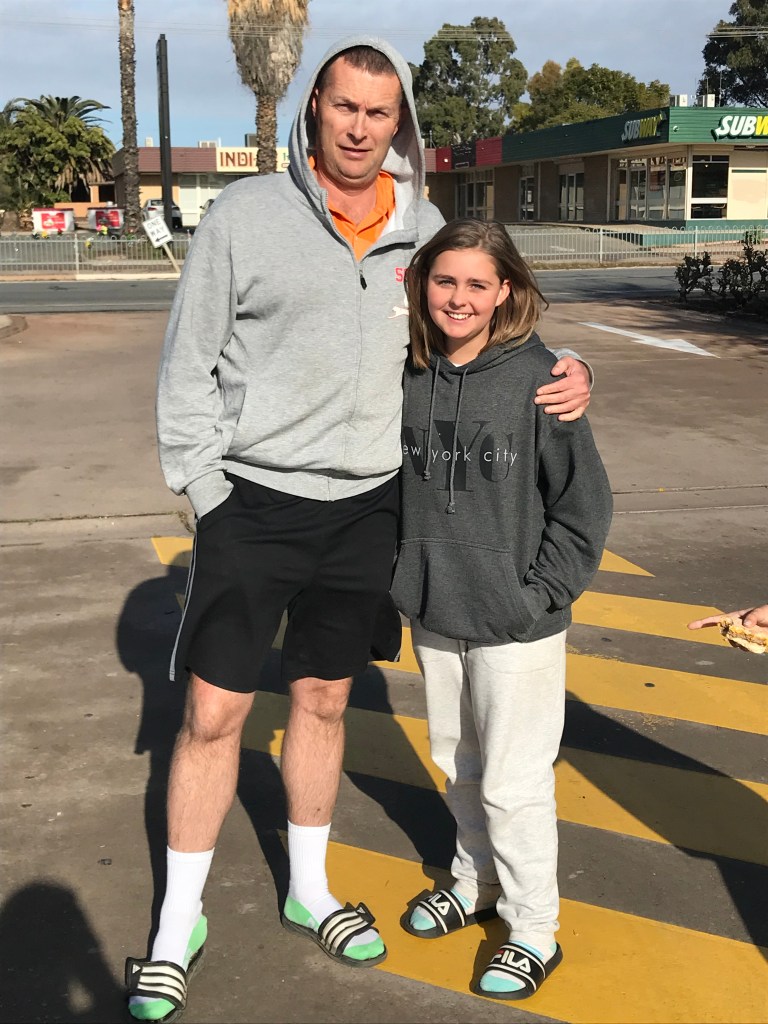
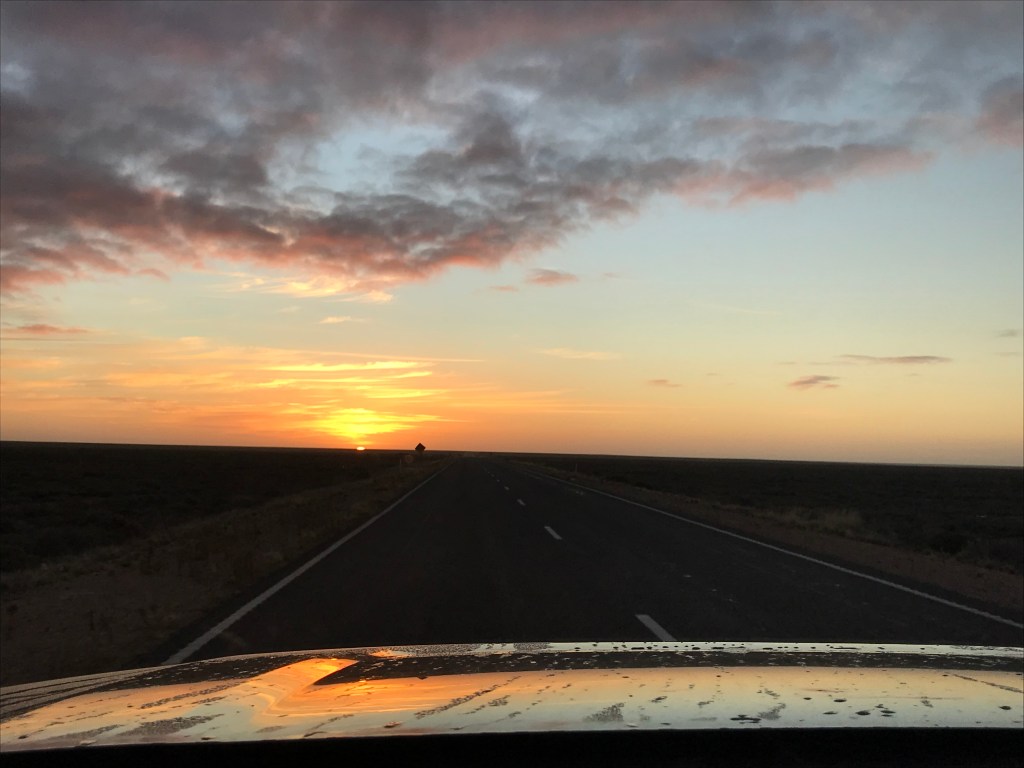
 Our Aussie Family