
The largest city in the region – and second largest in the state – is Launceston, a vibrant hub for food and wine and culture. There’s also a touch of wilderness with Cataract Gorge just a few minutes walk from the city centre. Launceston is located on the banks of the Tamar River and is the gateway to the Tamar Valley, a region where English conservatism sits happily alongside the unconventional and off beat.
27th December – Launceston
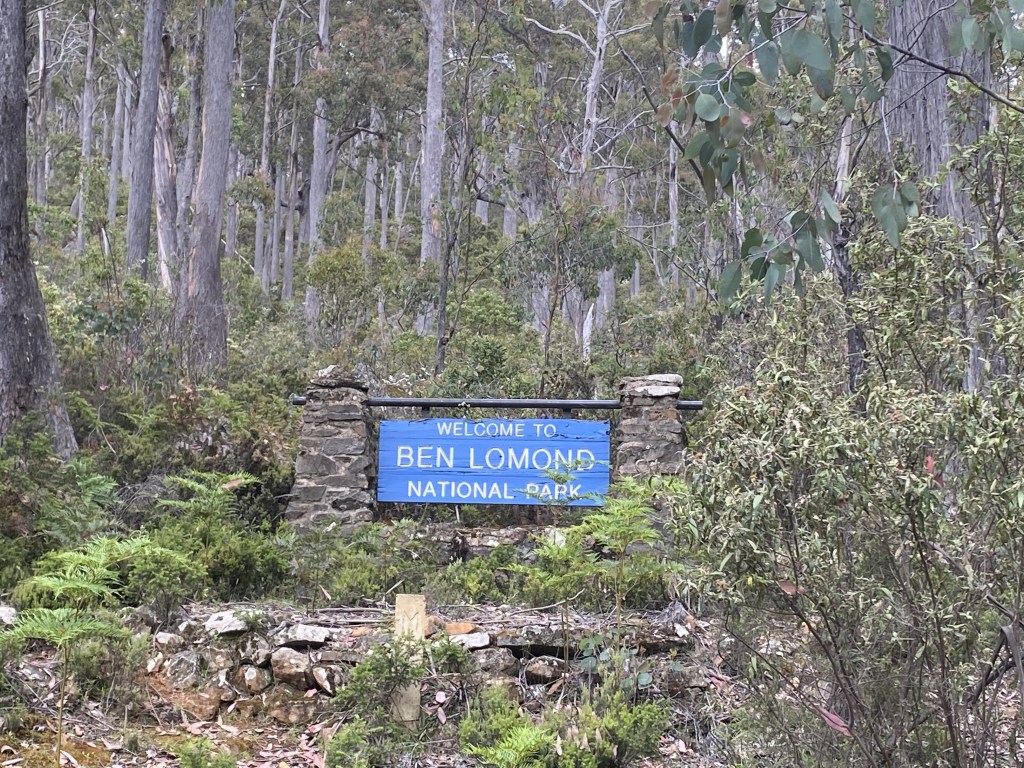
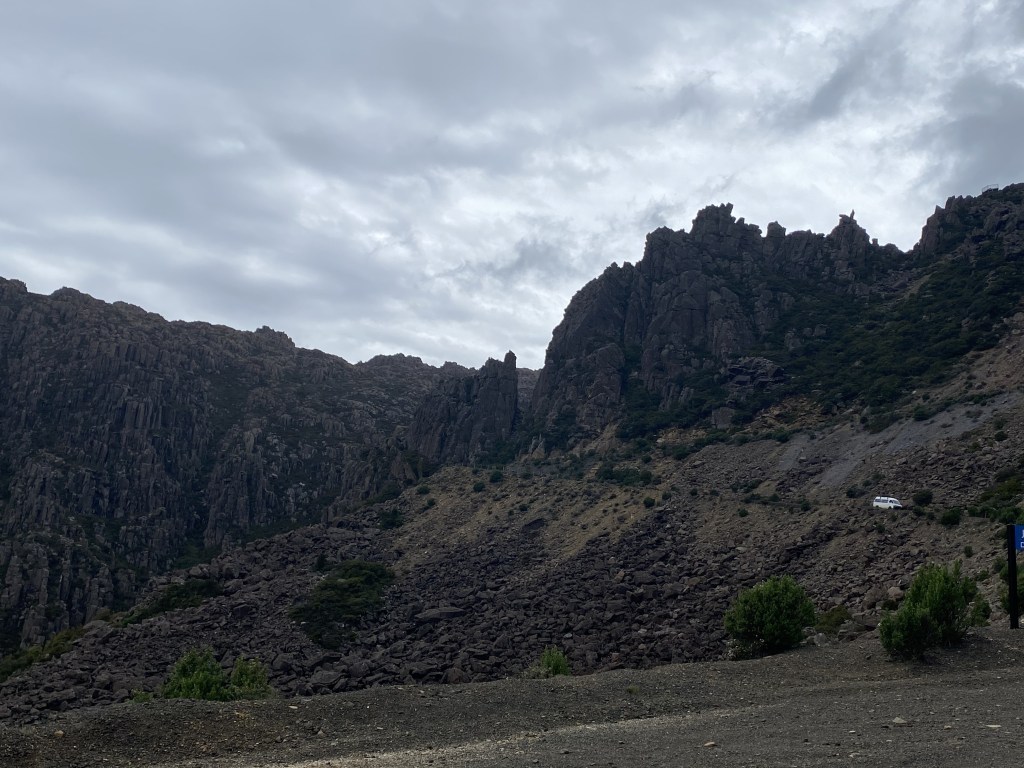
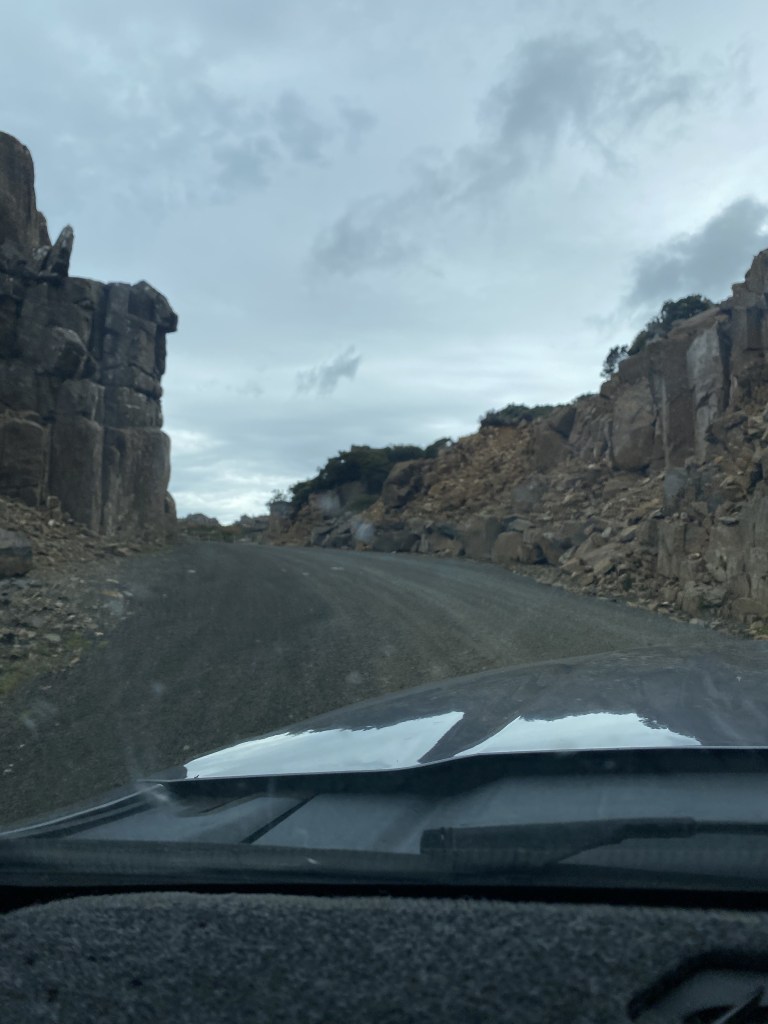
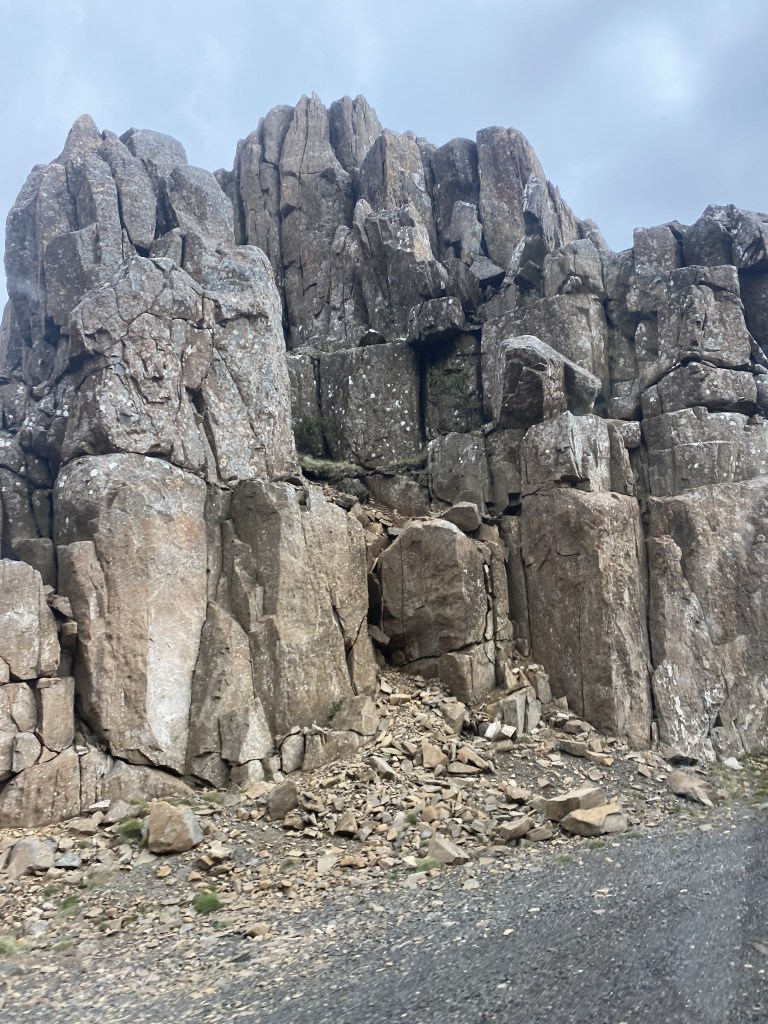
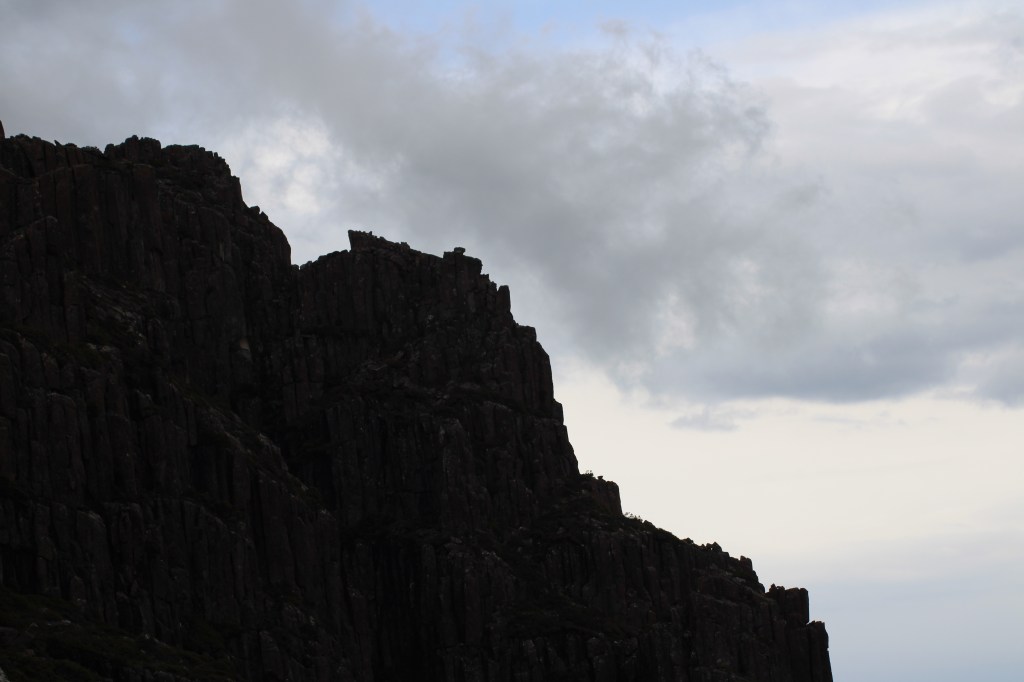
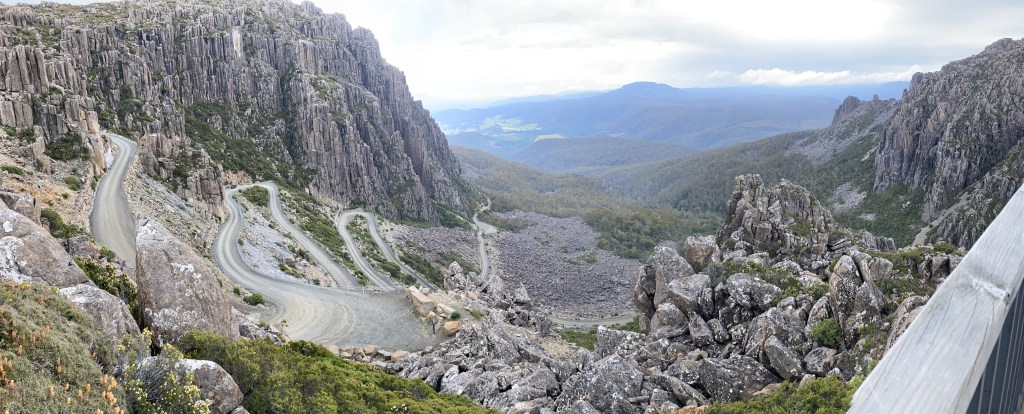
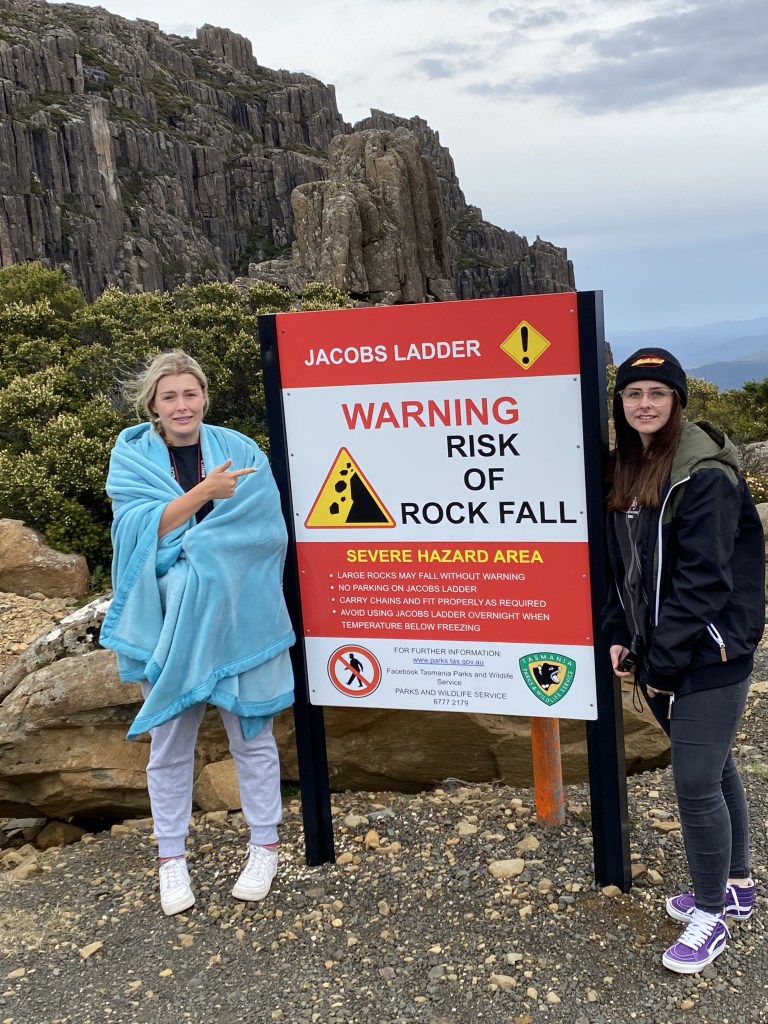
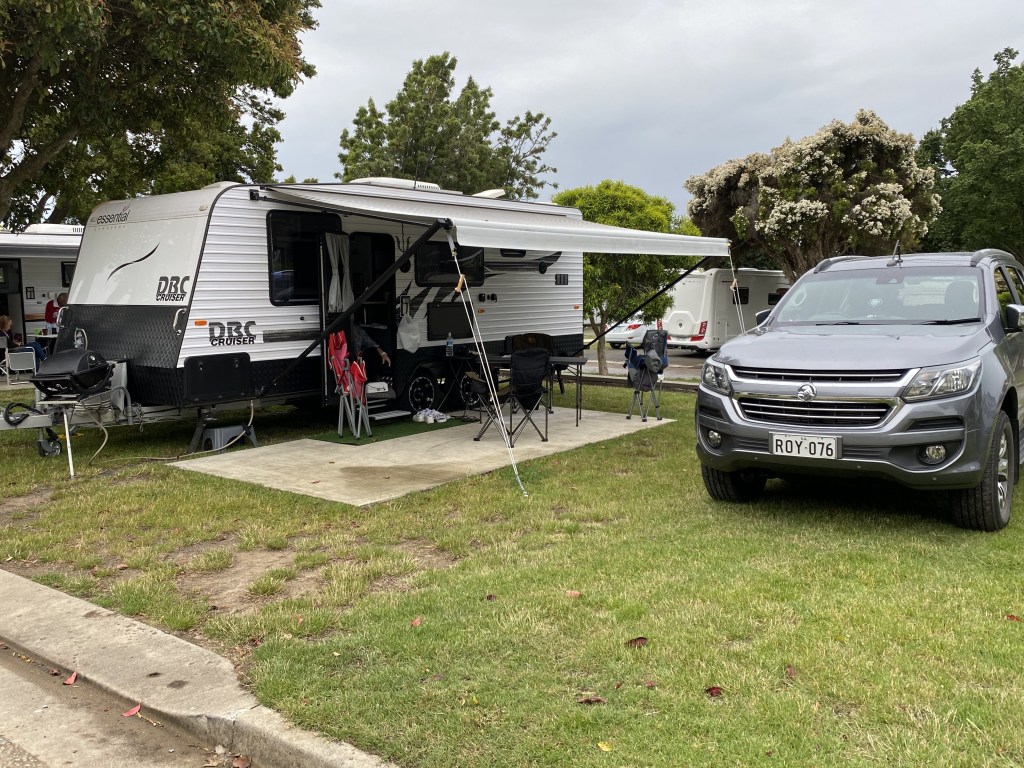
Just a quick update from the previous post, we were lucky to setup the van in the morning at BIG4 Launceston, this allowed us to set off to the first viewing point of the trip, Ben Lomond, in particular “Jacobs Ladder”. The road climbs up to Ben Lomond Mountain, at an elevation of 1.570m (5,150ft) above the sea level. The road is unsealed and the final climb up Jacob’s Ladder to the plateau is steep. It’s one of the famous hair pinned roads in the world. The views from the top were amazing and well worth the risk :-). The evening saw our good friends the Rendell’s arriving in Launceston to join us on for the remainder of our Tasmania Adventure.
28th December – Seahorses, Platypus, Echidna’s, Beaconsfield & Cataract Gorge
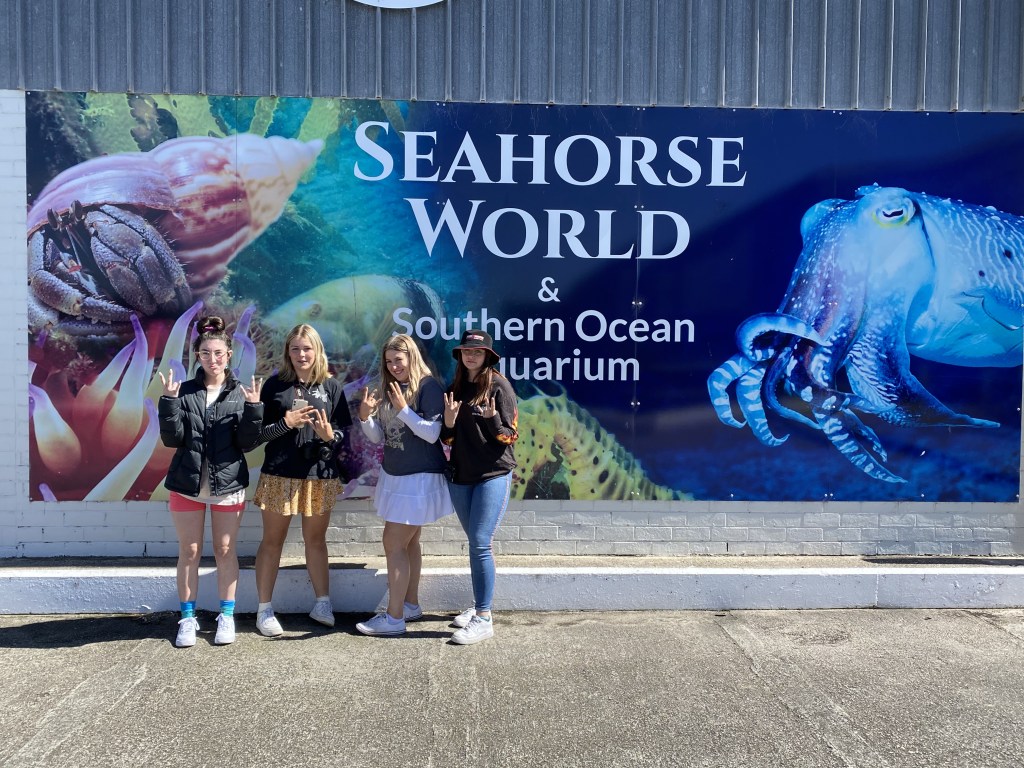
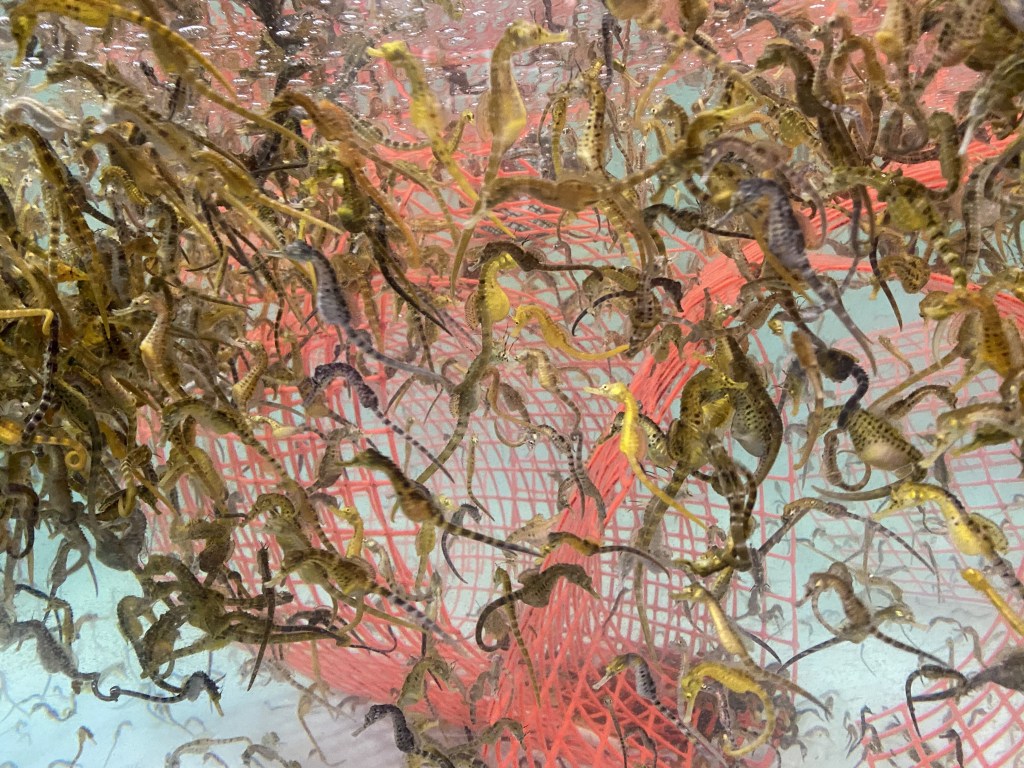
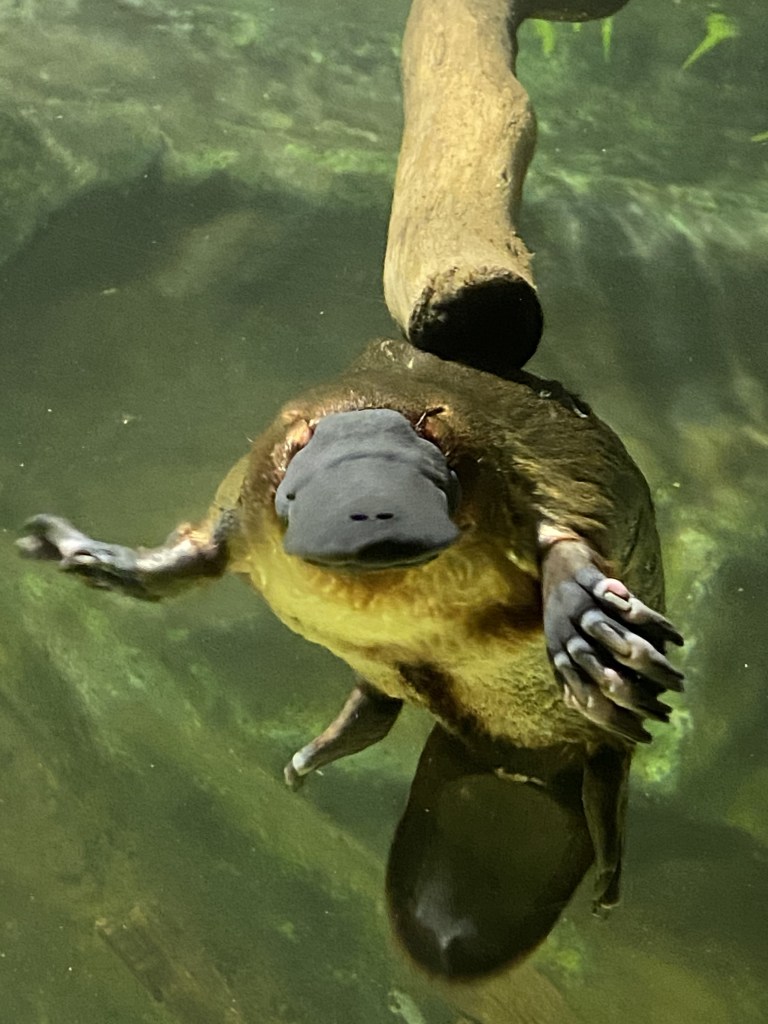
It was going to be a full day today as we had planned to pack 4 sites into the one day and unbeknown to us at the time COVID would play its role again, we headed off to Beauty Point where we were hoping to see Seahorse World and Platypus World’s. After some onsite bookings we shot of for some mid morning coffee and soon enough arrived back for our tour at both sites.
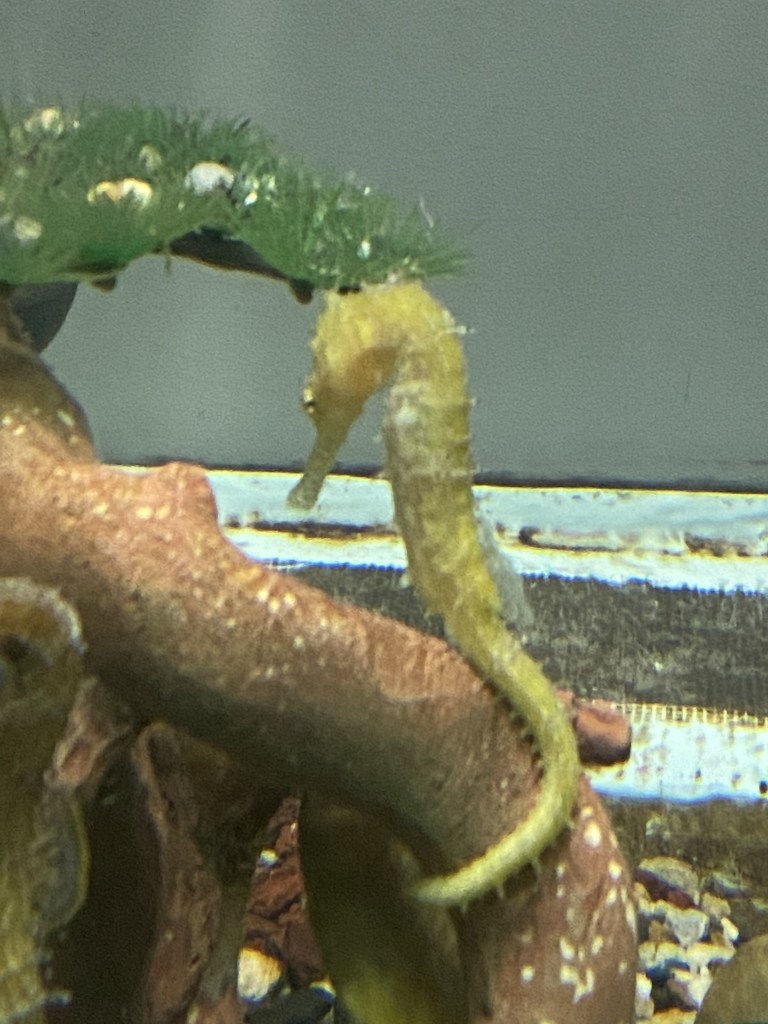
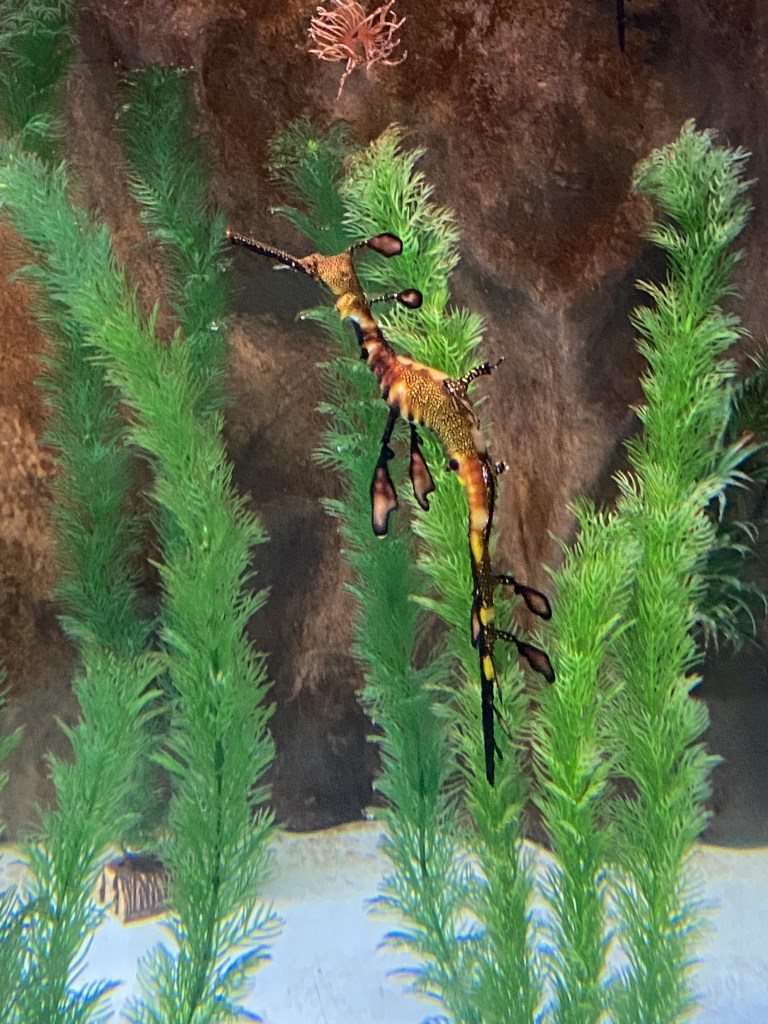
- Seahorse Australia, is the only place in Australia that has a breeding program to supply wholesalers and public aquariums around the world. A guided tour will take you through the breeding program and you even get the opportunity to hold one of these amazing sea creatures.
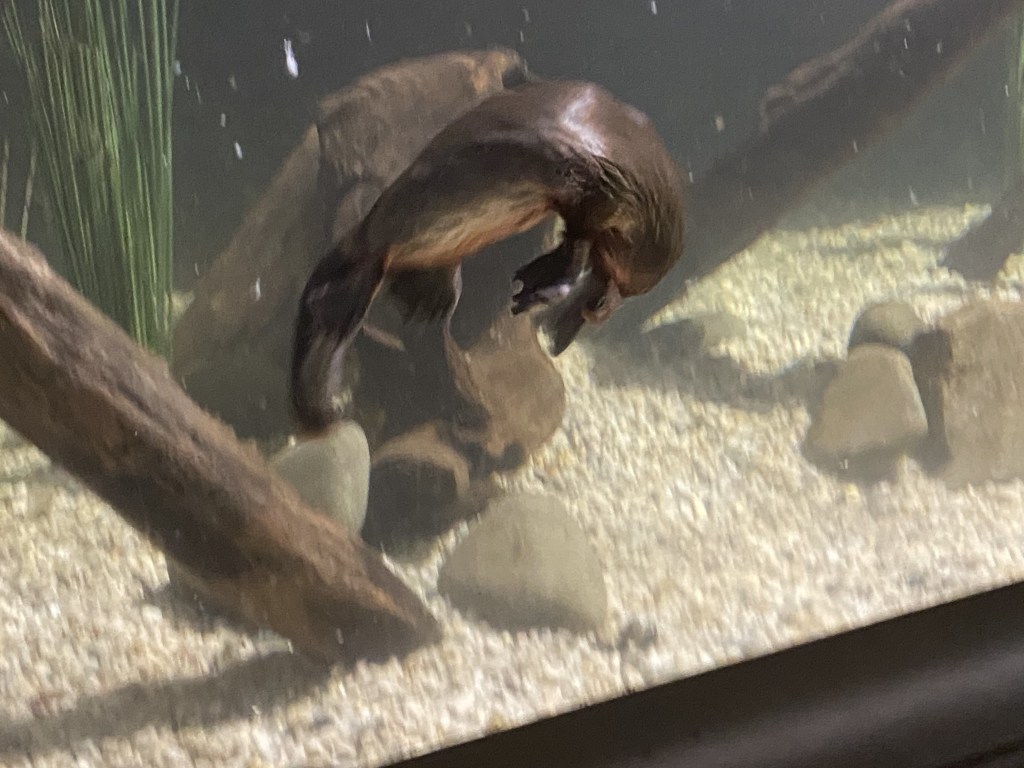
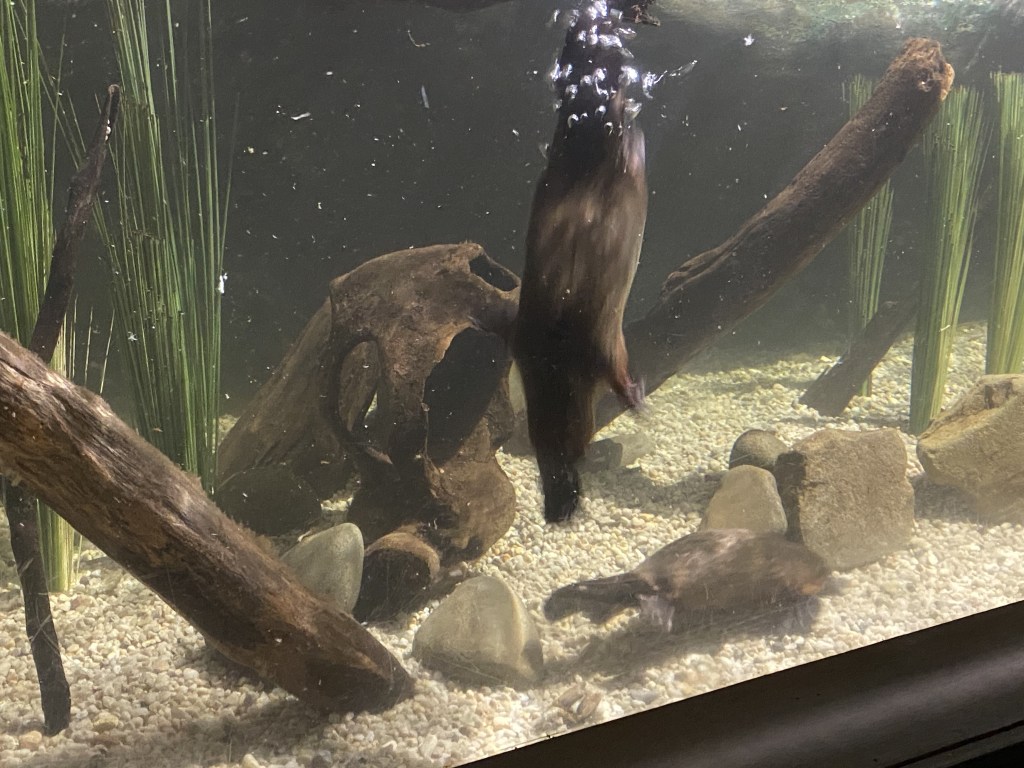
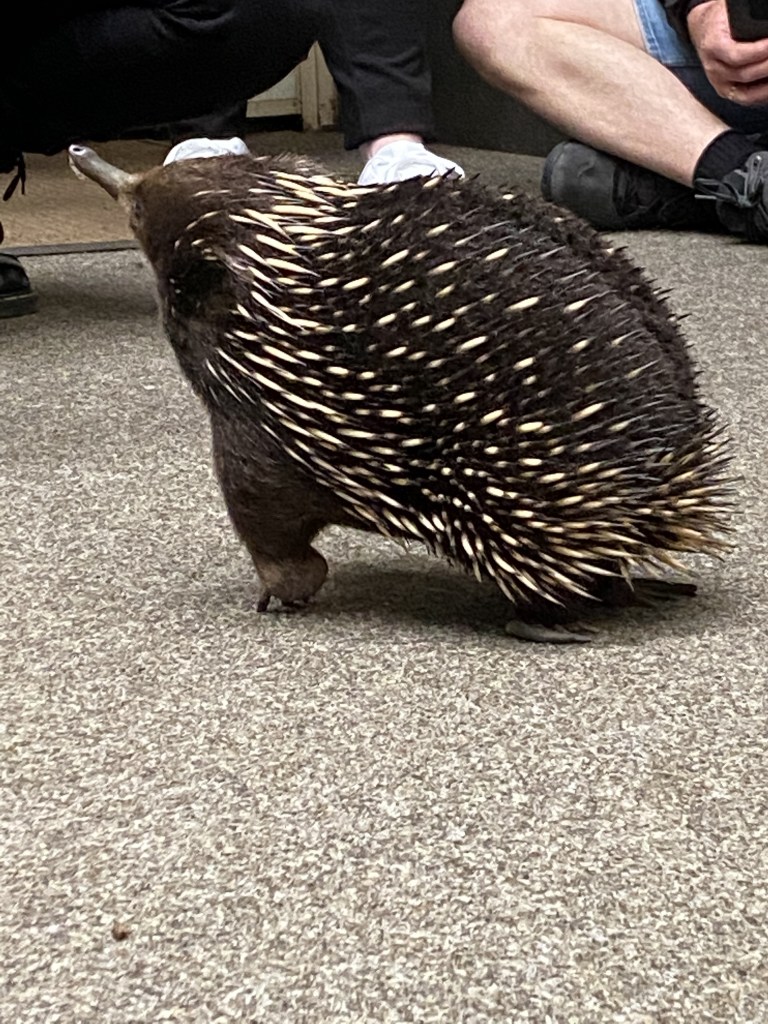
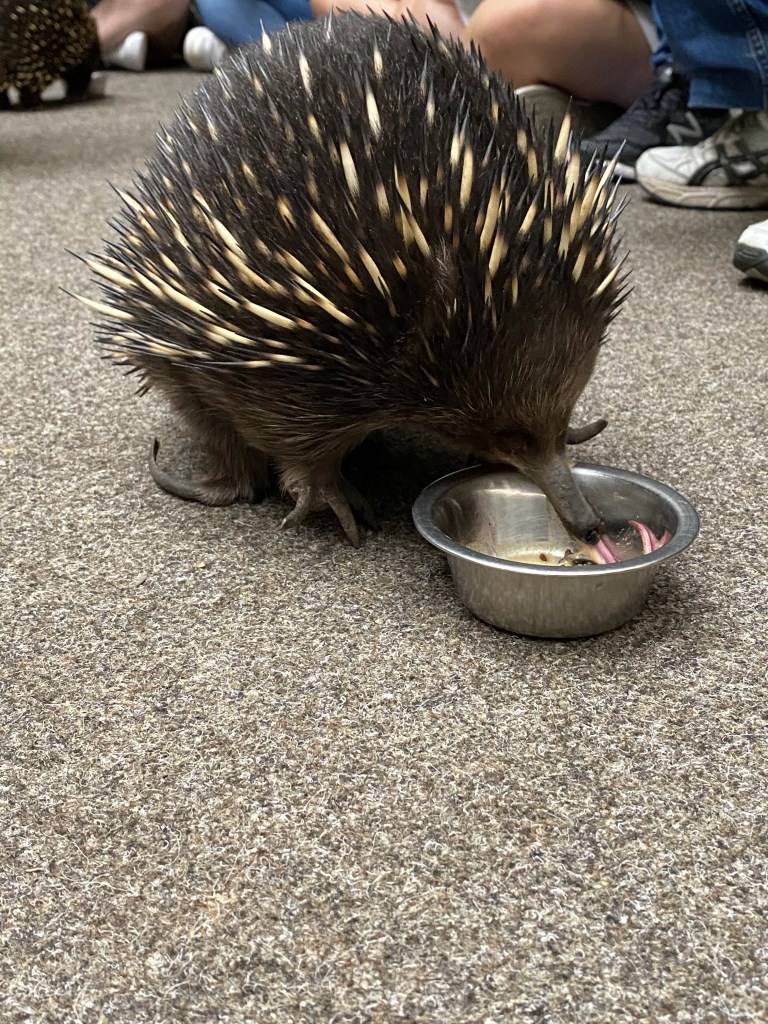
- Platypus & Echidna World, both of these animals are what is referred to as a monotreme species of animal, what does this mean – both of these animals lay eggs but feed their lay milk, there skeletal system is very similar and they both reside in Australia, no other country has 2 monotreme animals in the world.
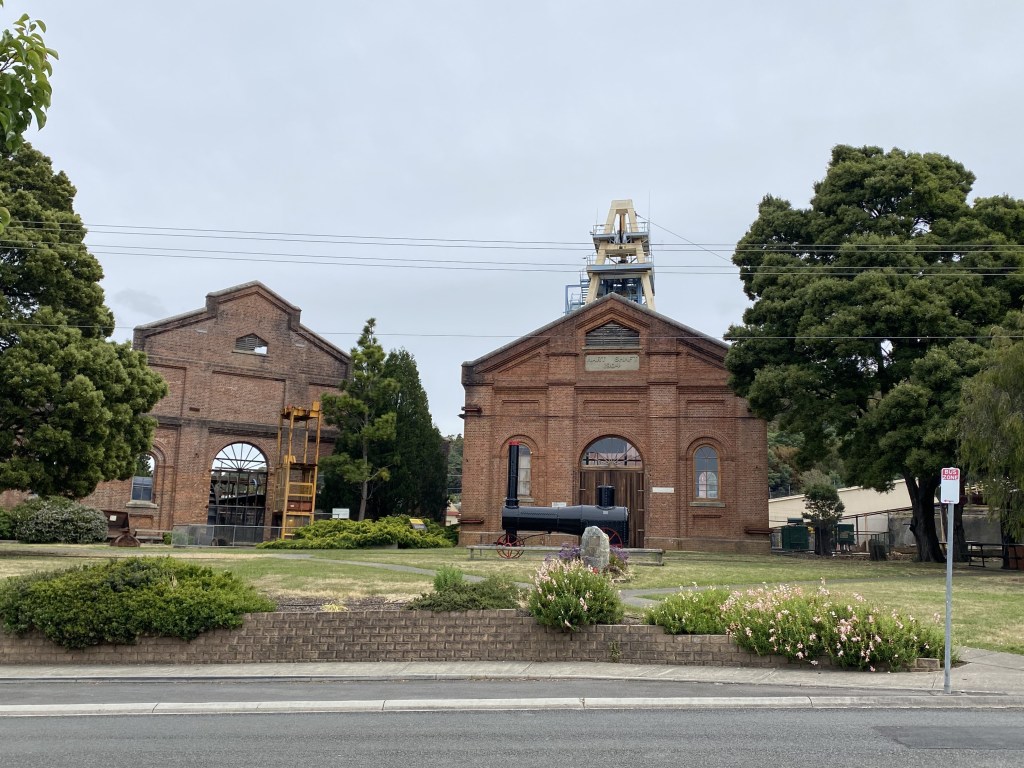
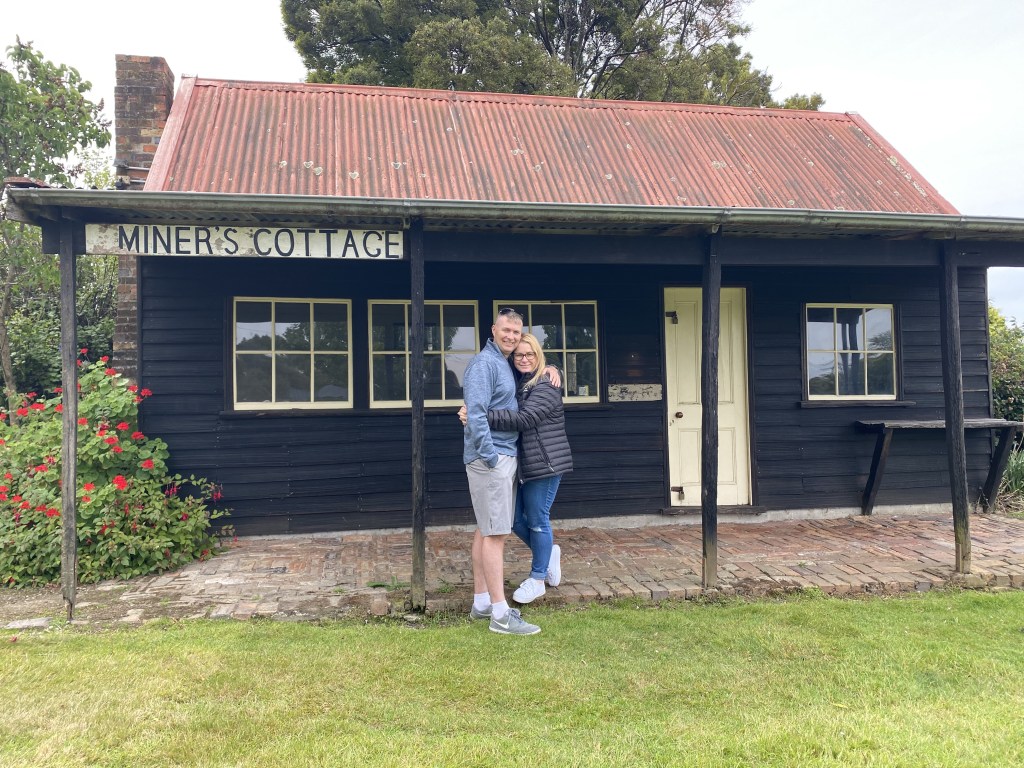
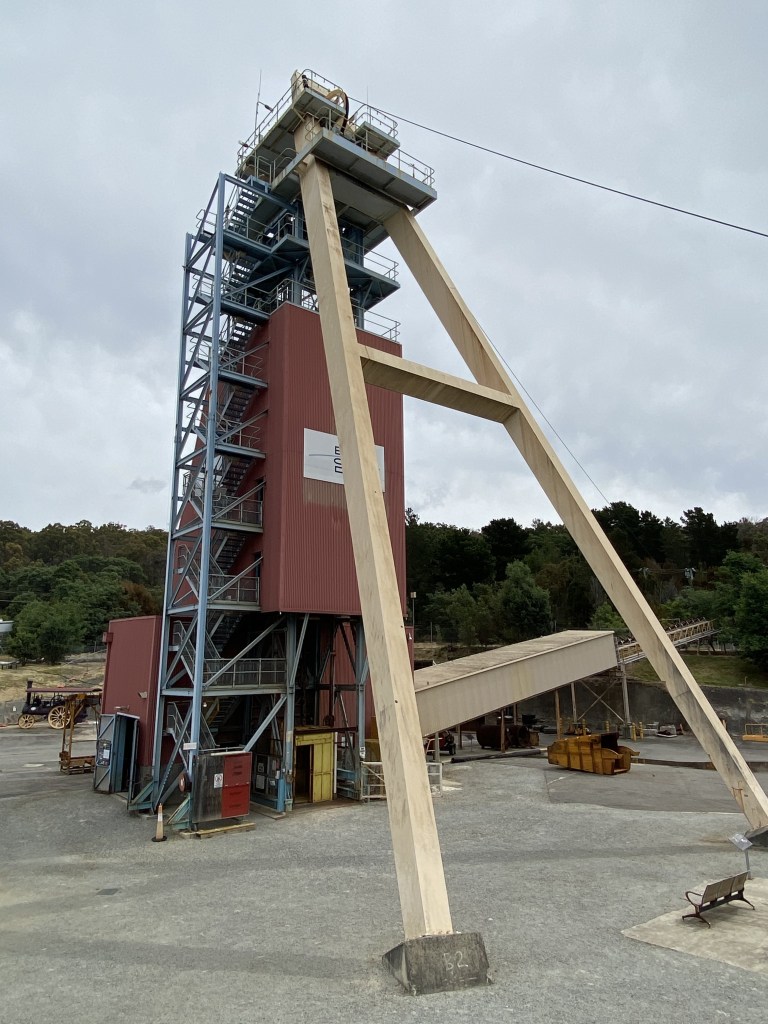
- Beaconsfield would be our next stop, it is a gold mining town and was once Tasmania’s richest gold town with mining heritage that continues today, known as the Beacons Mine and Heritage Centre. Unfortunately back in 2006 we remember the mining disaster that occurred when two miners were trapped one kilometre underground for 14 days after the roof collapsed. This was covered by world media at the time as it happened to be the 10th anniversary of the Port Arthur massacre which saw a flurry of reporters head north once they heard about the mining disaster.
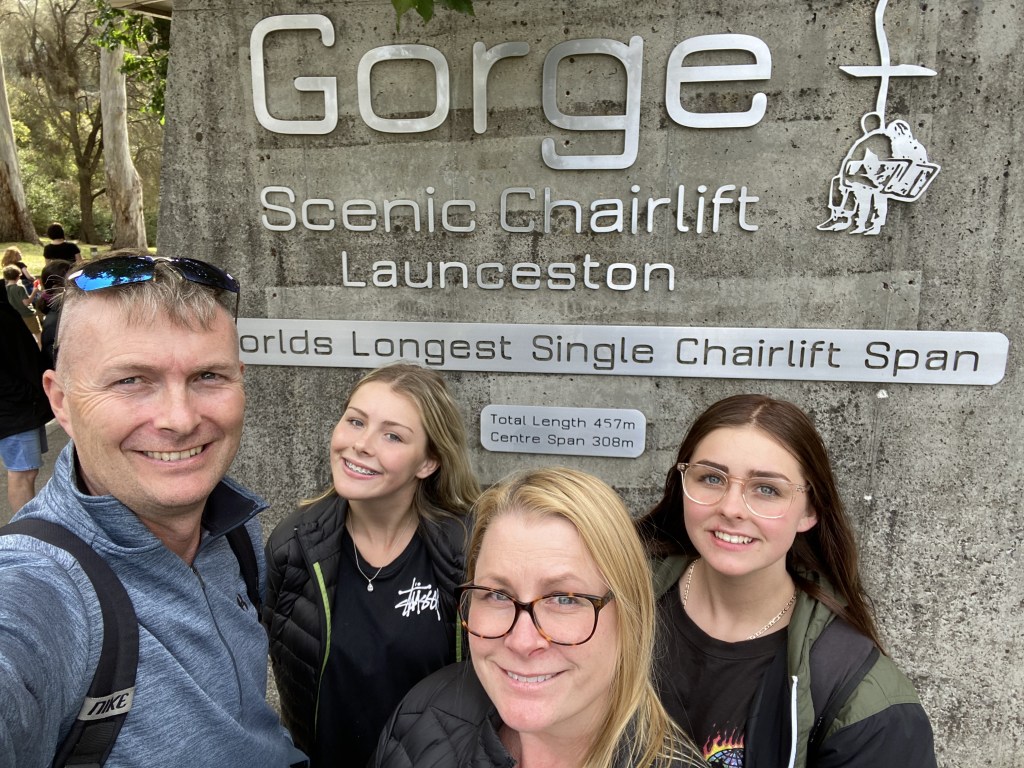
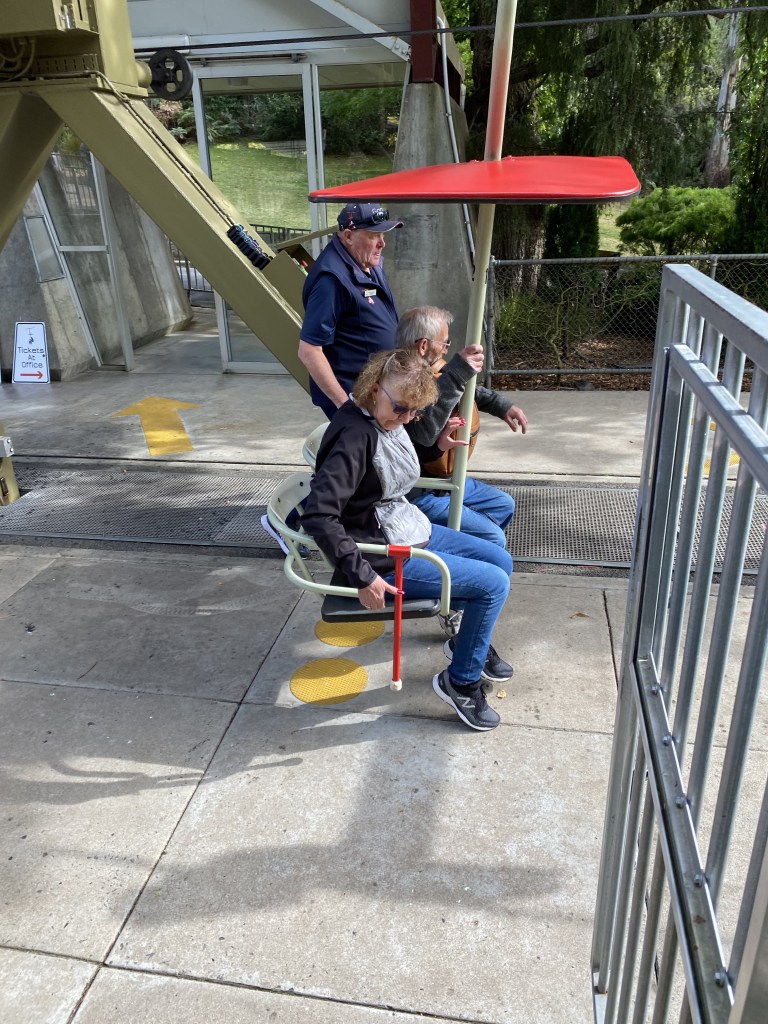
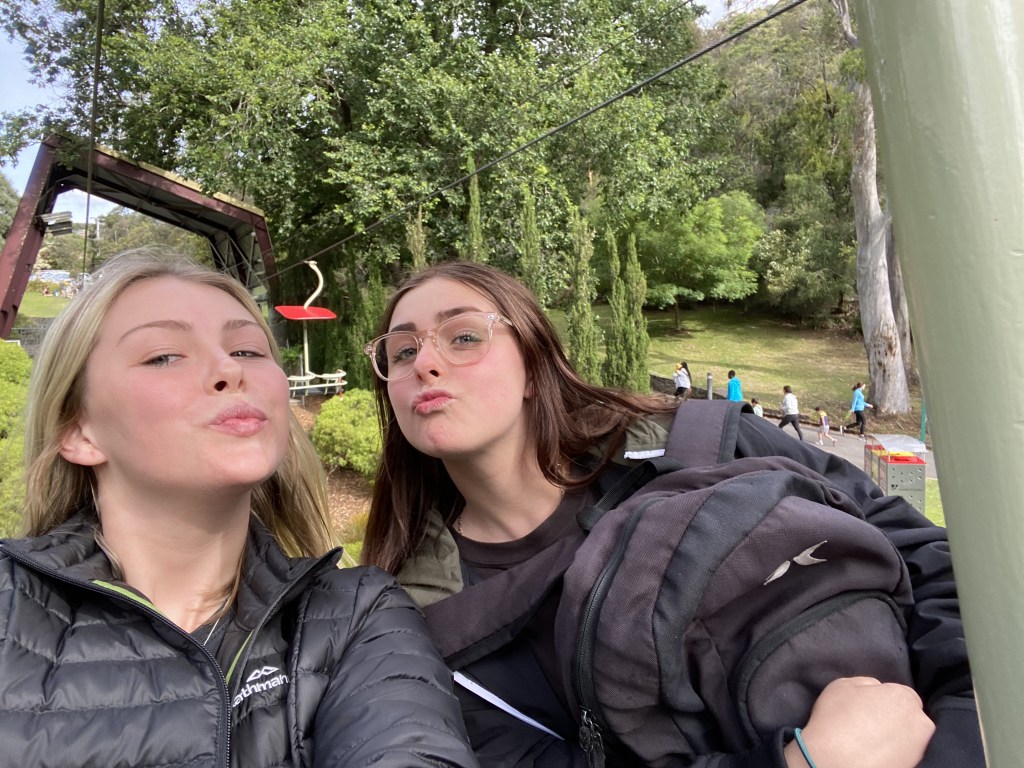
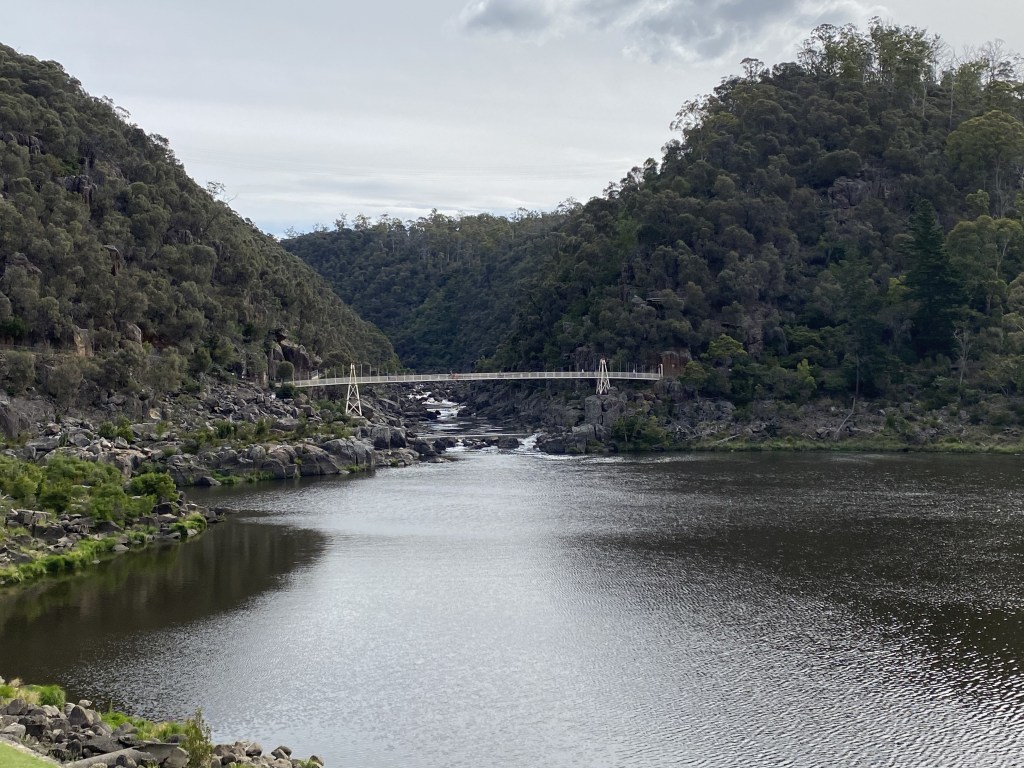
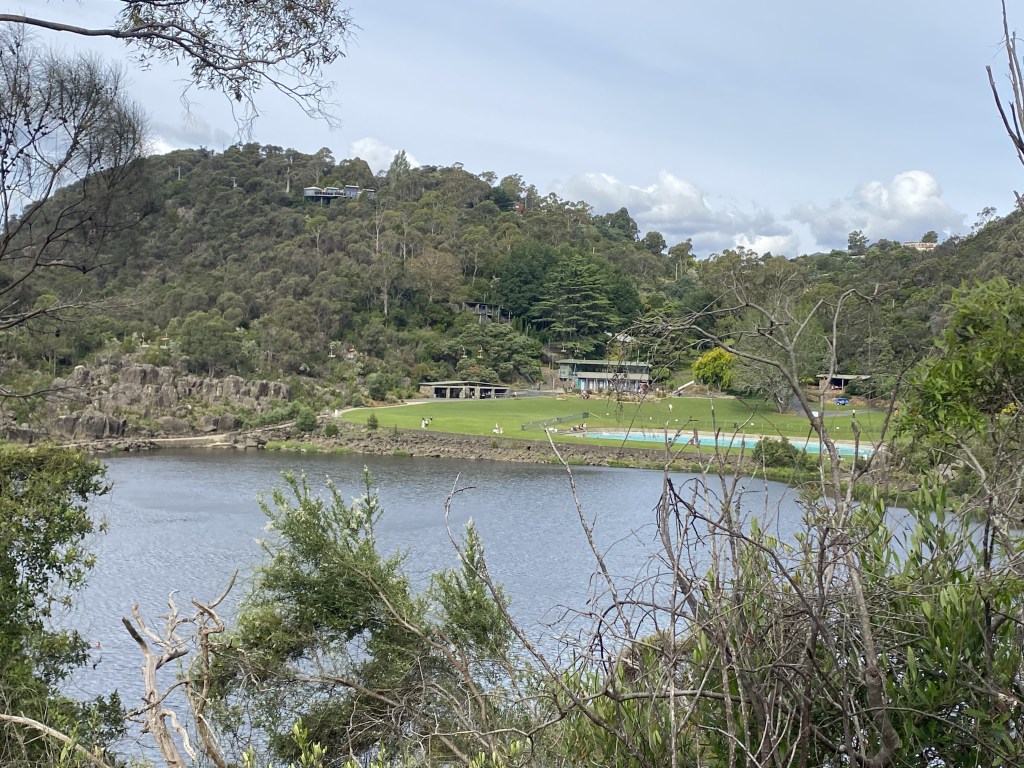
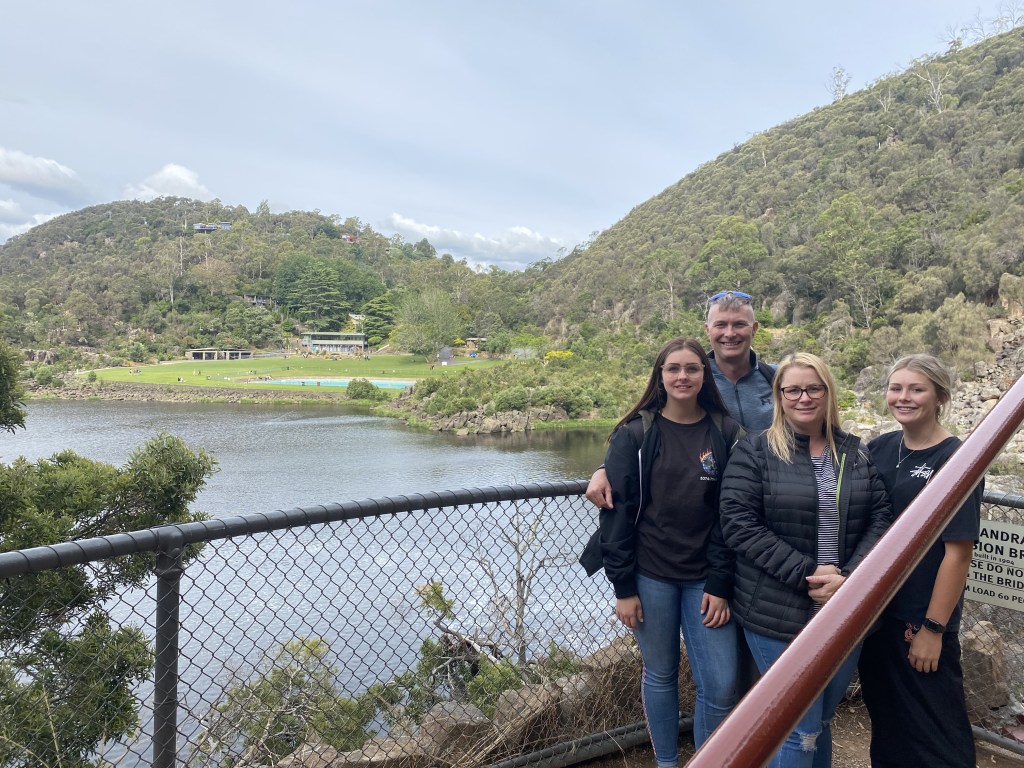
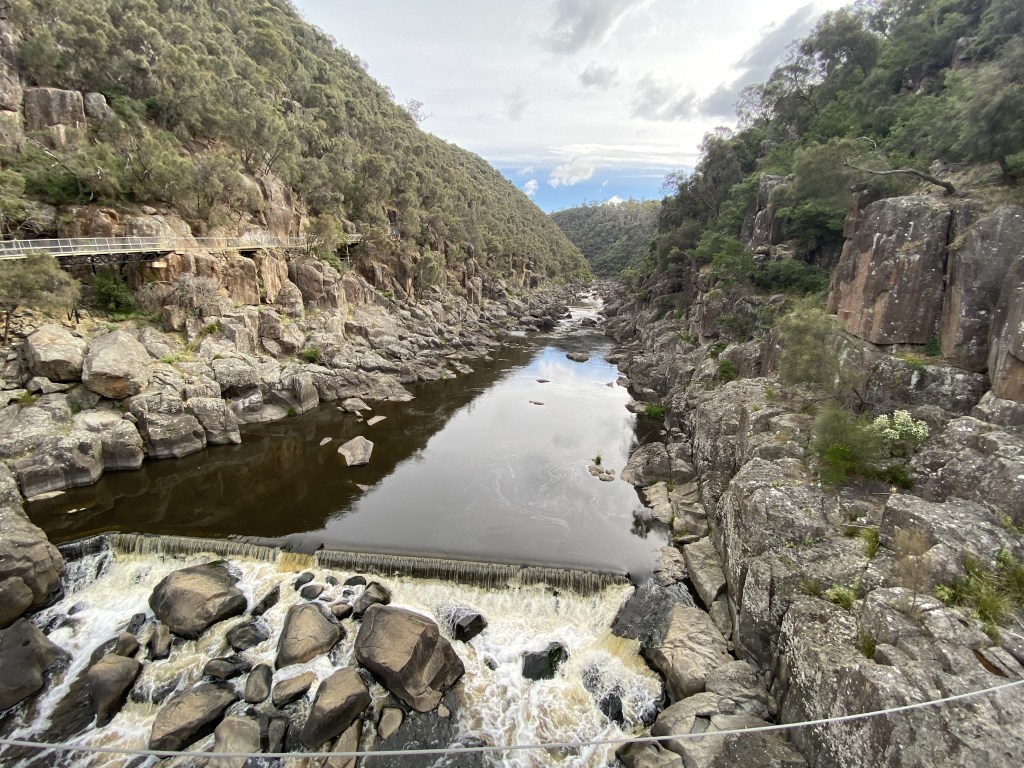
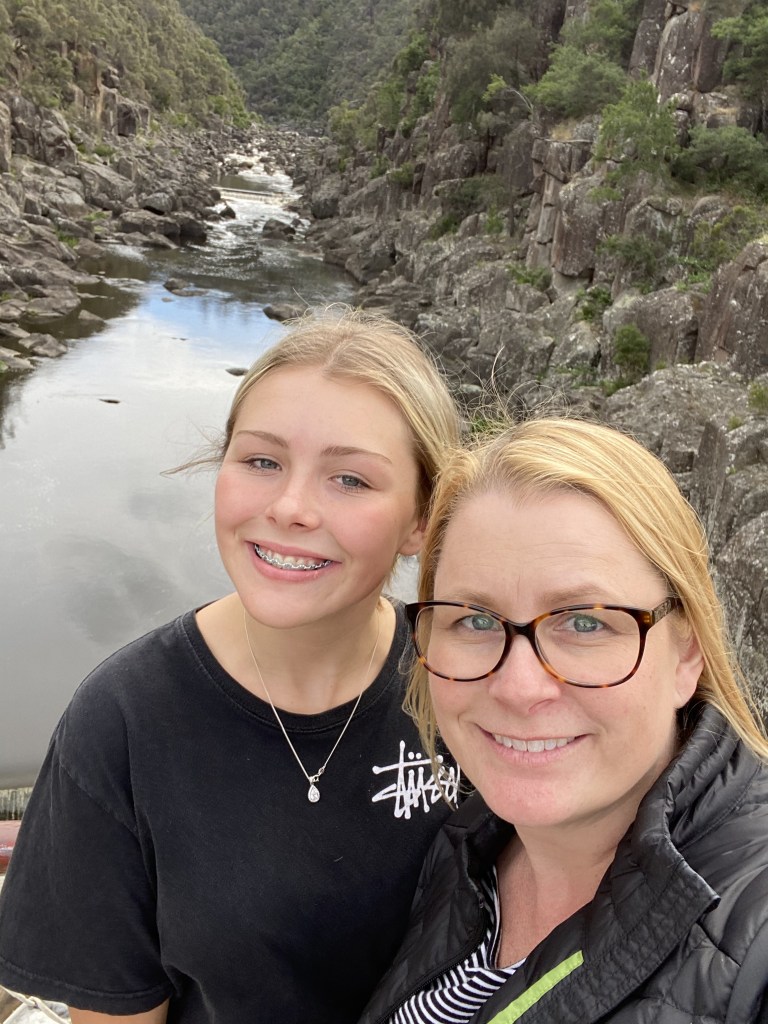
- Cataract Gorge is our final place for the day, we only just made it as the chairlift ride across the gorge was about to close, as you take your seat in the super high tech chair, sit back and enjoy the view. Click clack and grinding your way up over the beautiful gardens with breath taking views of the gorge below, you soon enough find yourself up the top of the mountain where you can take a stroll back down the hill and get closer to the gorge. The chairlift spans 457 metres and is the worlds largest span.
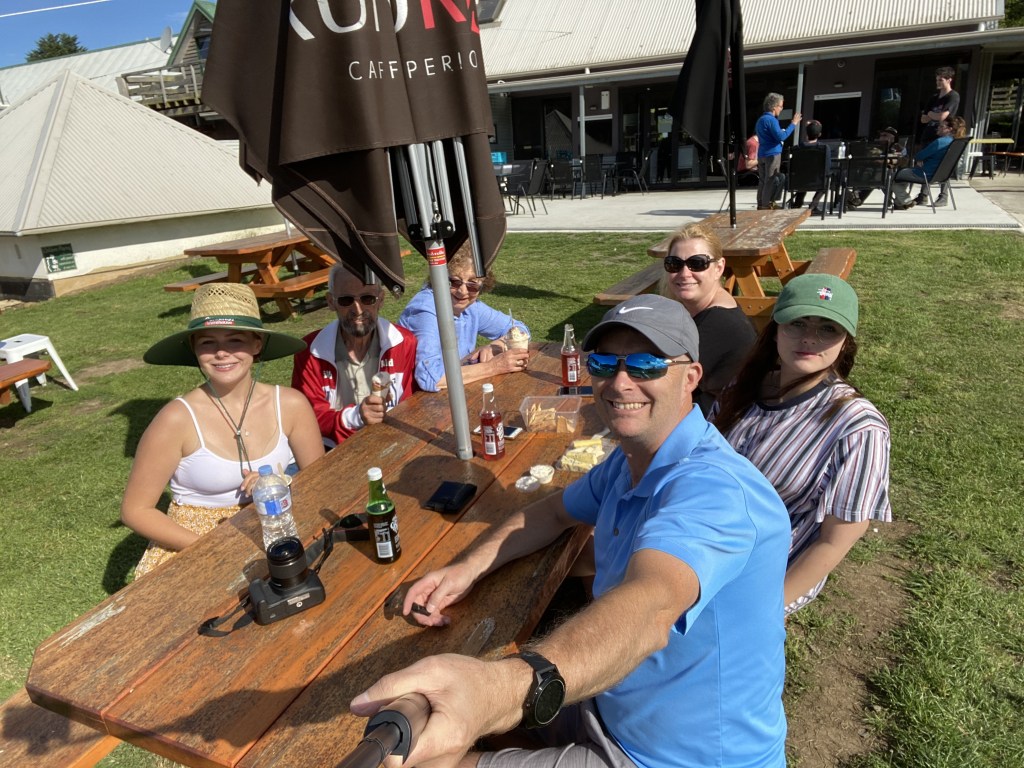
29th December – Off to Bay of Fires
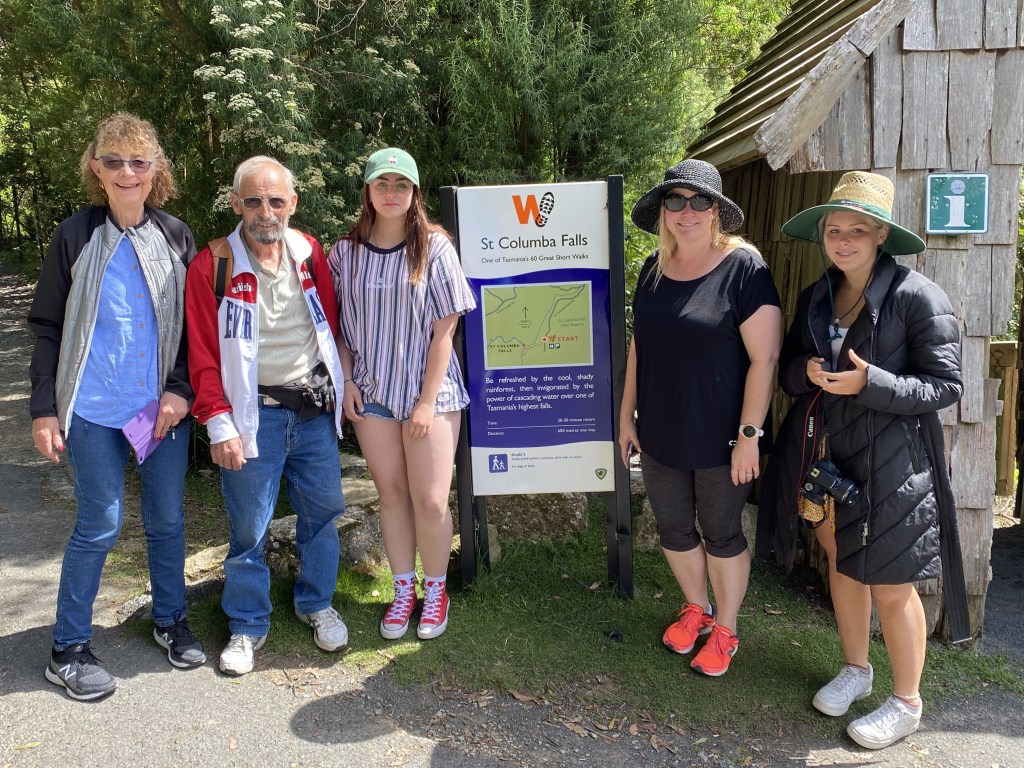
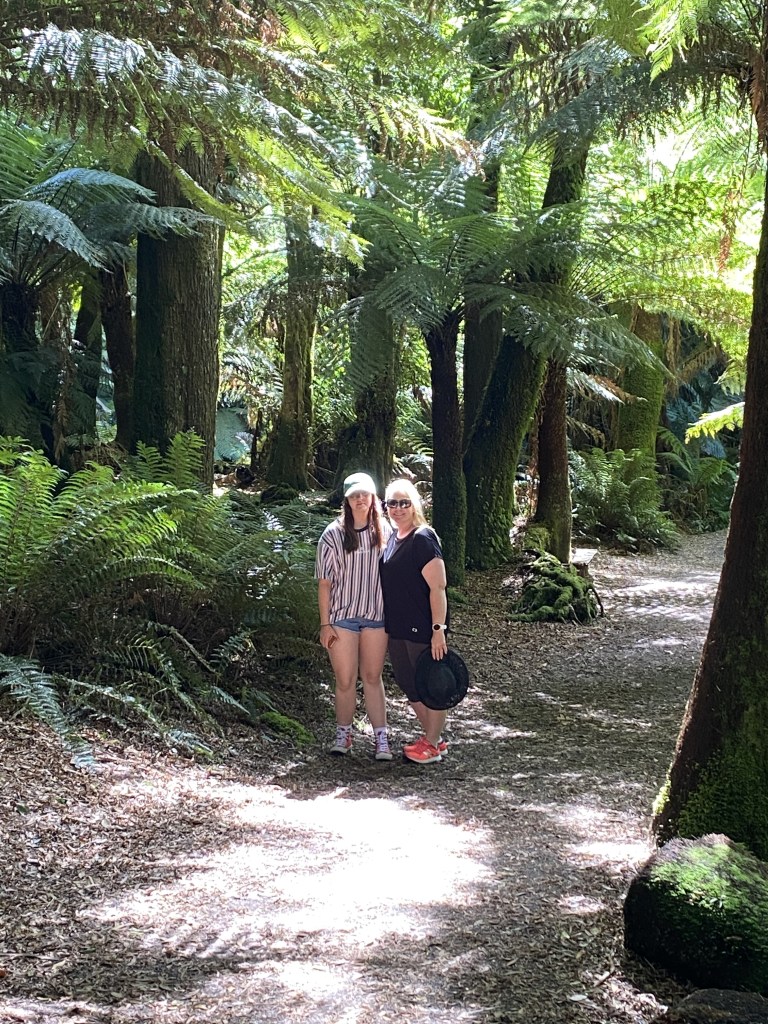
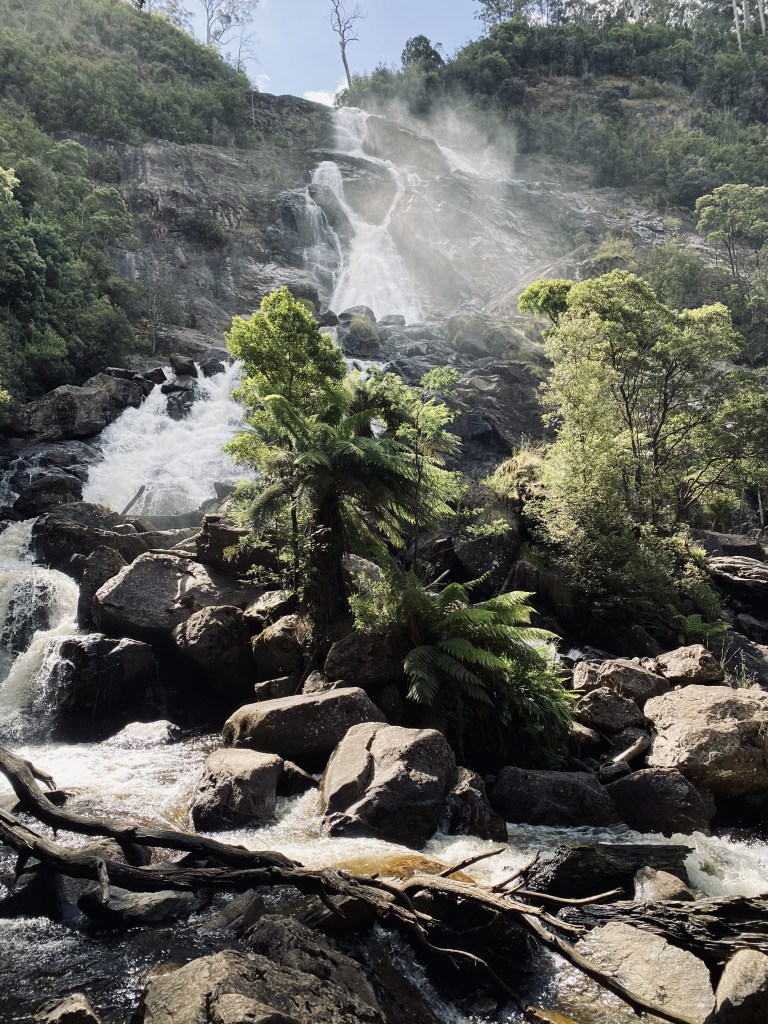
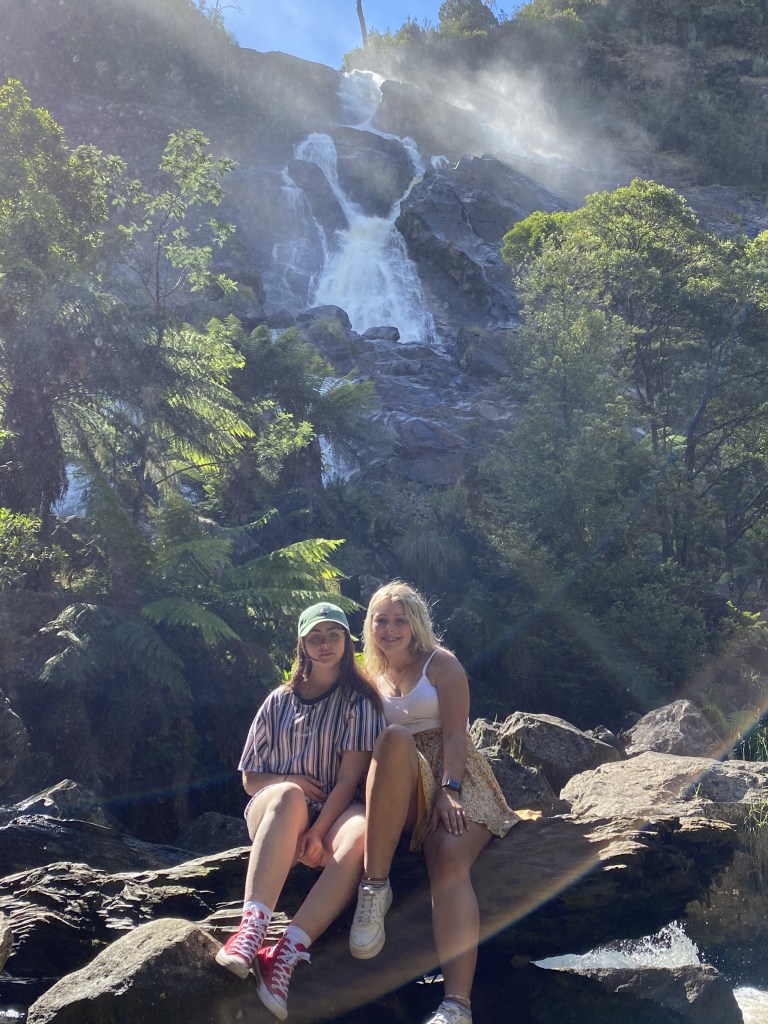
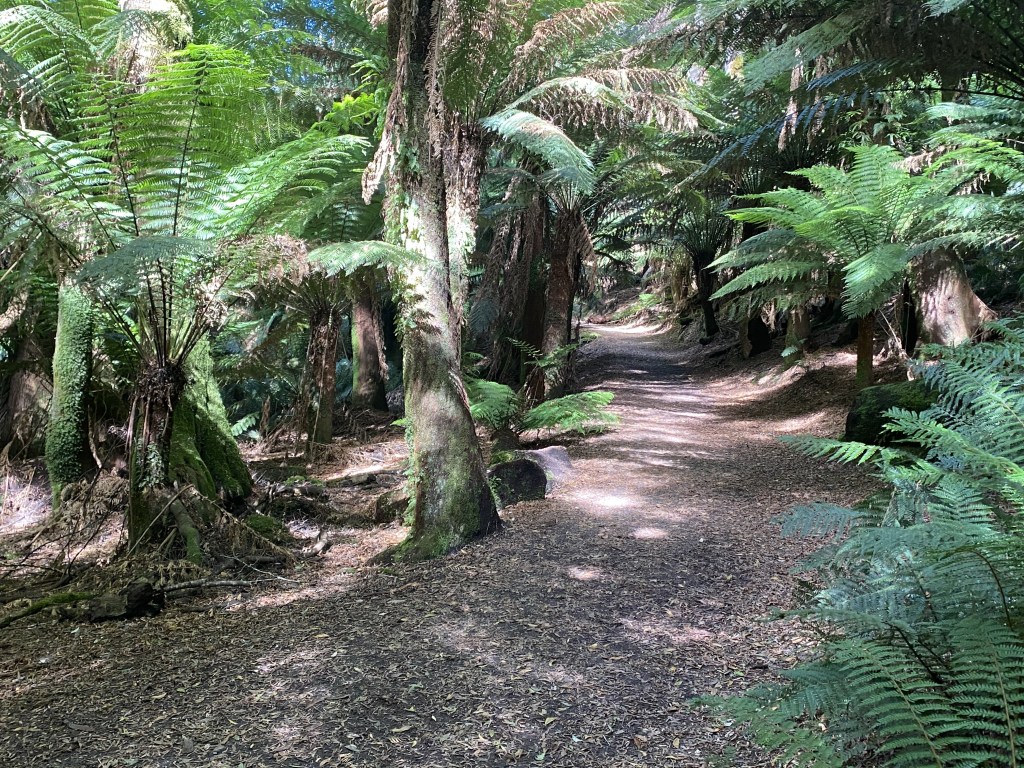
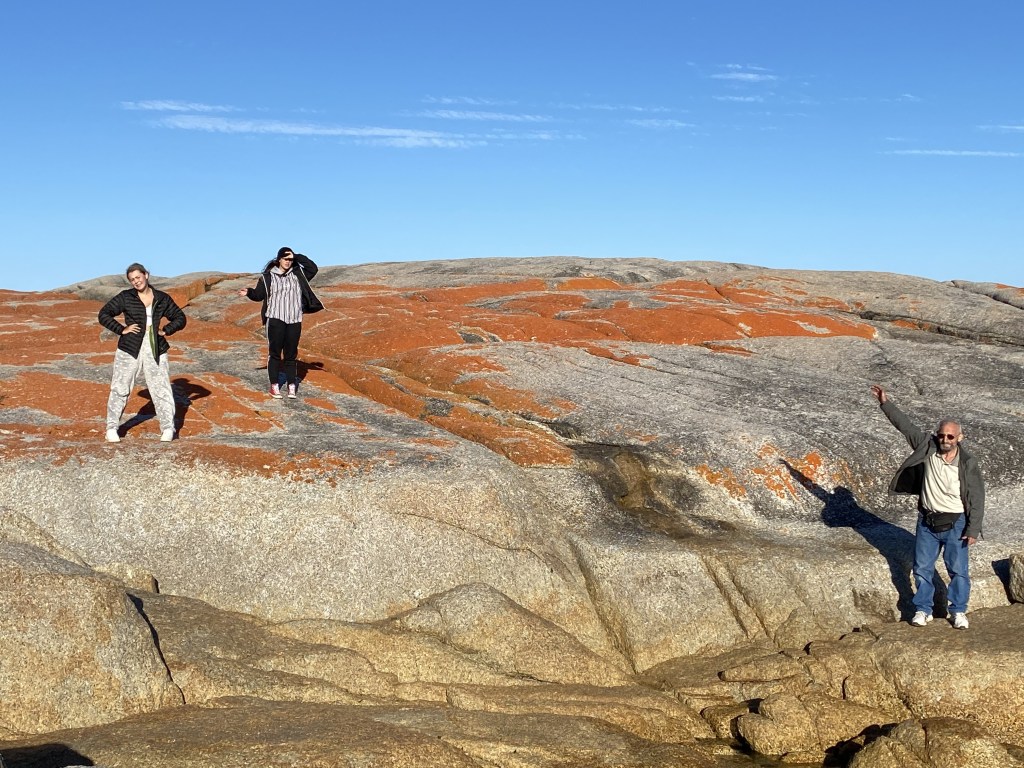
Caravan’s in tow we had packed up to set off and try our luck in grabbing a couple of spots at the popular Bay of Fires on the East Coast of Tasmania, our first pitstop resulted in a very tight cornering entrance / exit – no spots available. Just around the corner at “Cosy Corner South” we were so lucky to find a couple of spots – and they were right next to each other, what a gem of a place – its a pity we were only staying for 1 night here. As we arrived around 100pm we headed back out on the road to St.Columba Falls: at more than 90m, one of Tasmania’s highest. The walk to the base of the falls takes you through cool and shady rainforest that has some of the tallest tree ferns you’ll see anywhere. Later on as the sun started to fall we headed over to the coast to view the Bay of Fires rocks, these rocks have a red growth on them caused by lichens, hence the name of this part of Tasmania’s coast line. It was here where a Belinda noticed a dog lying on the beach and no owners to be seen anywhere, her detective mindset so had her phoning the council and about after 45minutes the owner soon arrived to claim her dog back – it seems the dog had wandered of from their camp ground up the coast.
The following day we were off to Hobart to celebrate New Years Eve and the end of 2020, we did manage to stop into a couple of places along the way.
- Bicheno Blow Hole
- Freycinet National Park (Wineglass Bay)
- Swansea (Spikey Bridge)



 Our Aussie Family